
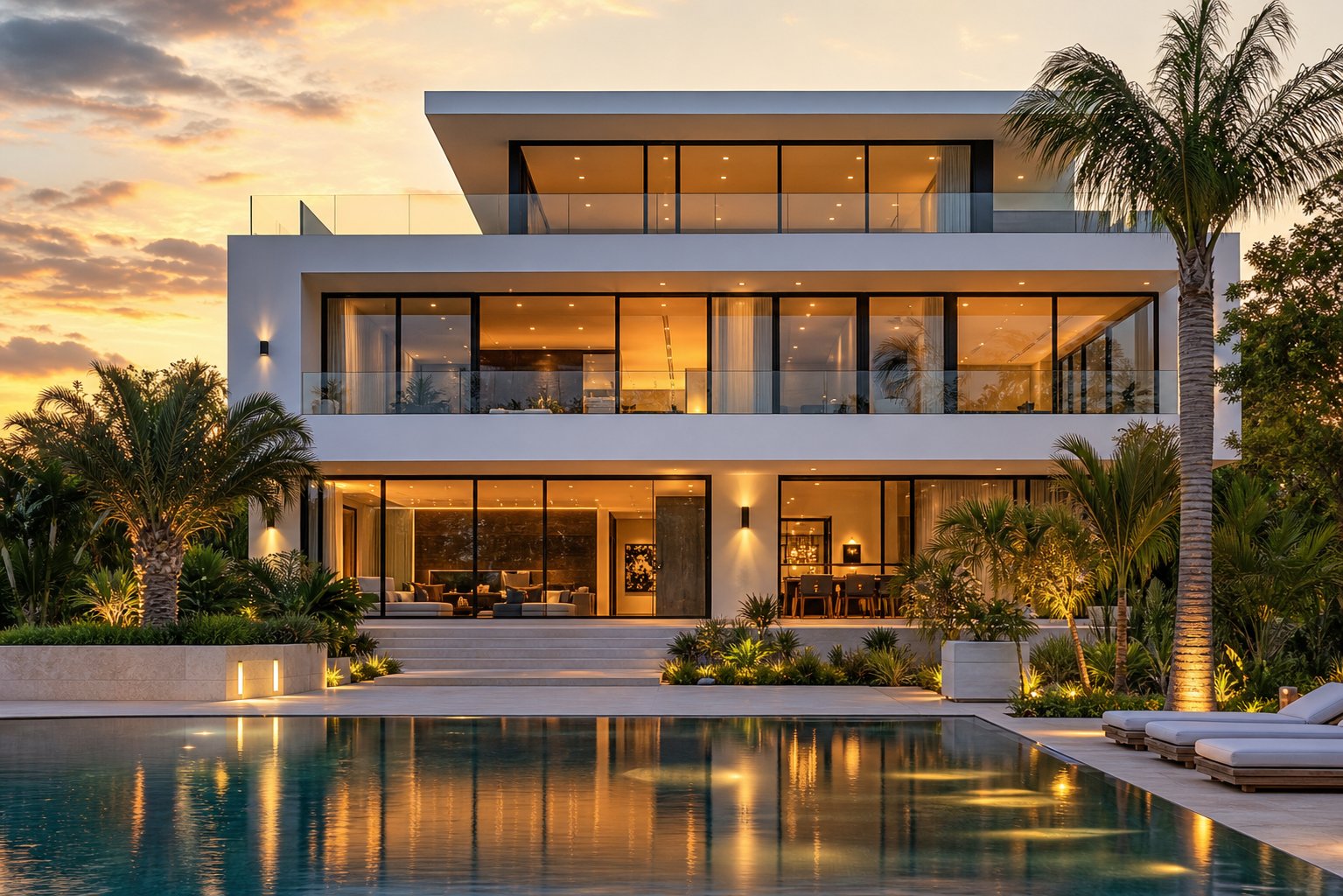
What Sets High Quality Aluminium Windows and Doors Apart
Every manufacturer claims their aluminium windows and doors are "high quality." Few explain what that actually means. This article exists to change that — giving you the technical knowledge to evaluate those claims yourself, rather than relying on brochures and sales pitches.
What High Quality Actually Means in Aluminium Fenestration
A single component does not make a window or door high quality. The term refers to a complete system where every element — frame profile, glazing unit, hardware, weatherseals, and surface finish — performs at a verified standard and works together as an integrated whole.
High quality aluminium windows and doors are thermally broken, independently tested fenestration systems where the frame profile, insulated glazing unit, multi-point hardware, continuous weatherseals, and certified surface finish collectively meet or exceed recognised performance standards for structural integrity, energy efficiency, weather resistance, and security.
That definition matters because budget-grade products often excel in one area while cutting corners elsewhere. A thick aluminium profile means nothing if the seals are poor. Beautiful powder coating is irrelevant if the frame lacks a thermal break. Genuine quality is holistic — it accounts for how the aluminium window performs across decades of daily use, seasonal temperature swings, and exposure to UV, wind, and rain.
Why Aluminium Outperforms Expectations as a Premium Material
Aluminium fell out of favour in residential construction during the 1990s, largely because early frames conducted heat and lacked thermal efficiency. That reputation no longer reflects reality. Modern aluminium windows benefit from engineering advances — particularly thermally broken profiles and high-performance coatings — that have repositioned the material as a premium choice for both homes and commercial buildings.
Several inherent properties drive this resurgence. Aluminium's strength-to-weight ratio allows slimmer frame profiles without sacrificing structural rigidity, which means more glass area and better sightlines. It resists corrosion naturally, holds powder-coated and anodised finishes for decades, and can be recycled almost indefinitely with minimal energy input. For large openings — bi-fold doors, expansive sliding systems, floor-to-ceiling fixed panels — aluminium remains the only frame material that delivers both the structural capacity and the slim aesthetic architects demand.
Design versatility adds another layer. High quality aluminium doors and alu windows are available in virtually any RAL colour, dual-colour configurations, and textured finishes that mimic timber or concrete. Aluminium windows & doors suit everything from heritage-sensitive renovations to ultra-modern coastal builds, adapting to the project rather than constraining it.
Yet none of these material advantages matter if the frame itself is poorly engineered. The single most important quality differentiator sits hidden inside the profile — a component most buyers never see but one that determines whether their aluminium fenestration performs like a premium product or an expensive disappointment.
Thermal Break Technology and Why It Defines Frame Quality
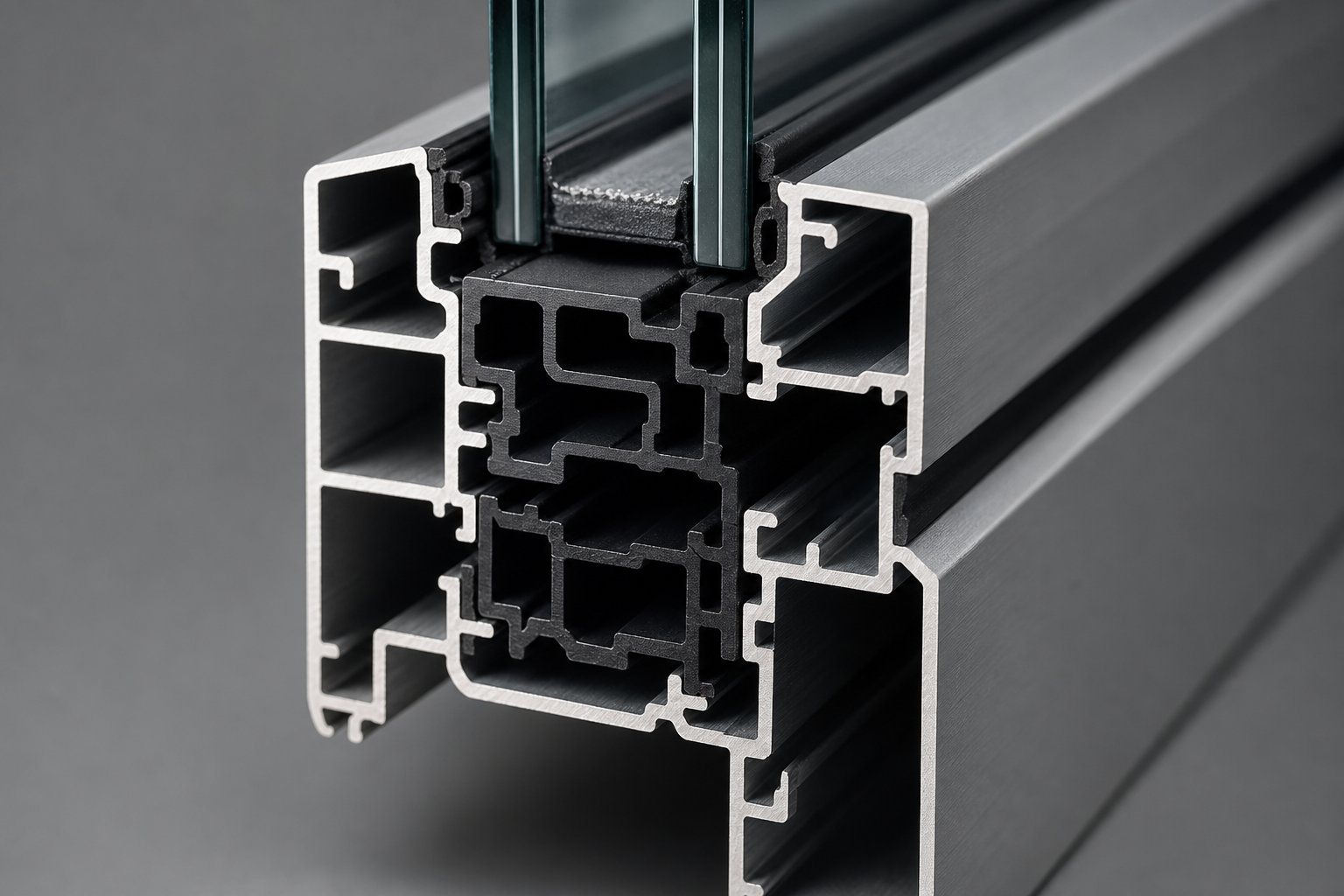
That hidden component is the thermal break — a strip of insulating material engineered into the aluminium profile that separates the exterior face of the frame from the interior face. Without it, aluminium window frames act as thermal highways, conducting heat and cold straight through the metal. With it, the frame becomes a genuine insulator. This single engineering detail is what separates premium aluminium frames for windows from the budget-grade products that give the material a bad reputation.
How Thermal Breaks Work Inside Aluminium Profiles
Aluminium conducts heat roughly 1,000 times more efficiently than polyamide. That conductivity is excellent for cookware but disastrous for building envelopes. In a standard extruded aluminum window frame, the profile is one continuous piece of metal — heat passes from the hot exterior surface directly to the cool interior surface (or vice versa in winter) with almost no resistance.
A thermal break solves this by splitting the extrusion into two distinct aluminium sections — one facing outside, one facing inside — connected by a continuous strip of polyamide (glass-fibre reinforced nylon) or polyurethane. This insulating barrier is mechanically crimped into channels on each aluminium section, creating a composite structure that maintains full structural rigidity while slashing heat transfer through the frame.
The width of this barrier matters enormously. Entry-level thermally broken systems use strips around 14–18mm wide. Premium systems push that to 24–35mm, creating a substantial insulation zone within the profile. Some advanced designs incorporate multiple chambers within the thermal break itself, trapping pockets of still air that further reduce conductive energy loss.
The result is dramatic. An aluminum frame window without a thermal break typically delivers a frame U-value between 5.8 and 7.0 W/m²K. Insert a quality thermal break, and that figure drops to 2.5–3.5 W/m²K for standard systems — or as low as 0.8–1.5 W/m²K in premium multi-chamber configurations. For context, lower U-values mean less heat transfer, which translates directly to lower energy bills and more consistent indoor comfort.
Thermally Broken vs Non-Thermally Broken Frames
Many suppliers use vague language like "thermally improved" without clarifying whether their metal frame windows contain a genuine polyamide thermal break or simply a slightly modified profile. The performance gap between the two categories is not subtle — it is the difference between a frame that actively contributes to your home's energy efficiency and one that undermines it.
| Criteria | Thermally Broken Aluminium | Non-Thermally Broken Aluminium |
|---|---|---|
| Frame U-value range | 0.8–3.5 W/m²K | 5.8–7.0 W/m²K |
| Condensation risk | Low — interior surface stays close to room temperature | High — cold frame surface drops below dew point in winter |
| Climate suitability | All Australian climate zones, including alpine and tropical | Mild climates only; struggles where temperature differentials exceed 15°C |
| Cost tier | Mid to premium | Budget to mid |
| Typical applications | Residential, commercial, high-performance builds, NatHERS-compliant projects | Sheds, garages, light commercial, non-conditioned spaces |
Condensation control deserves particular attention in the Australian context. Coastal homes from Sydney to Perth experience humidity levels that regularly exceed 70%. A non-thermally broken aluminum window frame in these conditions becomes a condensation magnet during cooler months — moisture forms on the cold interior surface, drips onto timber reveals, and over time promotes mould growth and structural decay. Thermally broken aluminium window frames keep the interior surface temperature above the dew point, effectively eliminating this risk.
Energy performance compounds over time too. Research from glazing specialists indicates that thermally broken aluminum frame windows can reduce frame-related heat loss by 20–30% compared to non-thermally broken equivalents — savings that accumulate across every heating and cooling season for the life of the window. When you factor in reduced HVAC load and improved NatHERS star ratings, the upfront cost difference between thermally broken and standard frames pays for itself well within the product's lifespan.
The thermal break is invisible once installed, which is precisely why it is the easiest quality element for manufacturers to omit. But its presence — or absence — shapes everything from your energy bills to the longevity of surrounding building materials. Frame quality starts here, though it certainly does not end here. The material surrounding that frame matters just as much in determining whether your investment performs as promised.
Aluminium Compared to Every Other Frame Material
Choosing a frame material is not about finding the single "best" option — it is about matching material properties to your project's specific demands. Climate, opening size, maintenance tolerance, budget, and aesthetic goals all influence which material delivers the strongest outcome. Here is how aluminium stacks up against the alternatives Australian homeowners and builders most commonly consider.
Aluminium vs Vinyl vs Wood vs Fiberglass
Each frame material carries genuine strengths and honest limitations. The table below compares thermally broken aluminium against vinyl (uPVC), timber, fibreglass, and aluminium clad wood windows across the criteria that matter most in Australian conditions.
| Criteria | Aluminium (Thermally Broken) | Vinyl (uPVC) | Timber | Fibreglass | Aluminium-Clad Wood |
|---|---|---|---|---|---|
| Durability | Excellent — corrosion-resistant, no warping or rot | Good — UV-stable grades resist degradation | Fair — vulnerable to rot, termites, and moisture without maintenance | Excellent — dimensionally stable, no rot or corrosion | Good — exterior protected by metal, interior wood needs care |
| Maintenance | Very low — periodic cleaning only | Very low — no painting required | High — repainting or re-oiling every 3–7 years | Low — occasional cleaning | Moderate — exterior low-maintenance, interior timber needs attention |
| Thermal performance | Good to excellent (with quality thermal break) | Good — inherently insulating material | Excellent — natural insulator | Excellent — expands at same rate as glass | Very good — timber core insulates, metal exterior protects |
| Design flexibility | Outstanding — slimmest sightlines, any RAL colour, dual-colour options | Limited — bulkier profiles, restricted colour range | High — paintable, stainable, traditional aesthetic | Good — paintable, slimmer than vinyl | High — wood interior warmth with sleek exterior finish |
| Lifespan | 40–60+ years | 20–40 years | 50–100+ years (with diligent maintenance) | 40–50+ years | 30–50 years |
| Recyclability | Fully recyclable, indefinitely | Recyclable but limited infrastructure | Biodegradable, reusable | Difficult to recycle | Partially recyclable (metal component) |
| Cost range (supply, per m²) | Mid to premium | Budget to mid | Mid to premium | Premium | Premium |
| Best use cases | Large openings, modern architecture, commercial, coastal, bushfire zones | Standard residential, budget-conscious projects | Heritage homes, high-end interiors, cold climates | Extreme climates, noise-sensitive sites, long-term performance | Homeowners wanting timber warmth inside with weather protection outside |
A few patterns emerge. Vinyl suits homeowners who prioritise affordability and zero maintenance in standard-sized openings. Timber rewards those willing to invest time in upkeep for unmatched natural warmth. Fibreglass delivers premium thermal stability but comes at a higher price point with fewer local suppliers in Australia. And windows in aluminium dominate where structural demands, slim profiles, or large-format glazing define the brief.
When Aluminium Is the Strongest Choice
Aluminium's advantages become most apparent in scenarios where other materials hit their limits. Consider a 3-metre-wide sliding door or a floor-to-ceiling fixed panel — vinyl and timber frames need substantially thicker profiles to achieve the same structural rating, eating into glass area and obstructing views. A quality aluminium window achieves equivalent or superior structural performance with frame sightlines as narrow as 45–55mm, which is why architects consistently specify metal windows for contemporary residential and commercial projects where expansive glazing is non-negotiable.
Colour stability is another differentiator. Premium powder-coated aluminium holds its finish for decades without chalking, peeling, or fading — even under Australia's intense UV exposure. Vinyl frames in darker colours can warp under direct sun, and timber finishes degrade without regular recoating. For projects where long-term appearance matters as much as performance, aluminium delivers consistency that other materials struggle to match.
Coastal and bushfire-prone regions add further weight to the aluminium case. The material carries a non-combustible rating critical for BAL-rated construction, and marine-grade finishes resist salt-air corrosion far better than untreated metal window alternatives.
The aluminium-clad hybrid deserves mention as a middle ground. These systems pair a timber interior — offering warmth and paintability inside — with an aluminium exterior shell that handles weather exposure. Metal clad windows appeal to homeowners who want the tactile quality of wood in living spaces without committing to exterior timber maintenance. The trade-off is added complexity, higher cost, and potential moisture-trapping issues at the timber-to-metal junction if manufacturing tolerances are not precise.
Ultimately, no single material wins every scenario. But understanding where each excels — and where it falls short — prevents the expensive mistake of choosing based on price alone. The frame is only half the equation, though. What sits inside that frame determines whether your investment actually performs to its rated potential.
Glass and Glazing Options That Complete the System
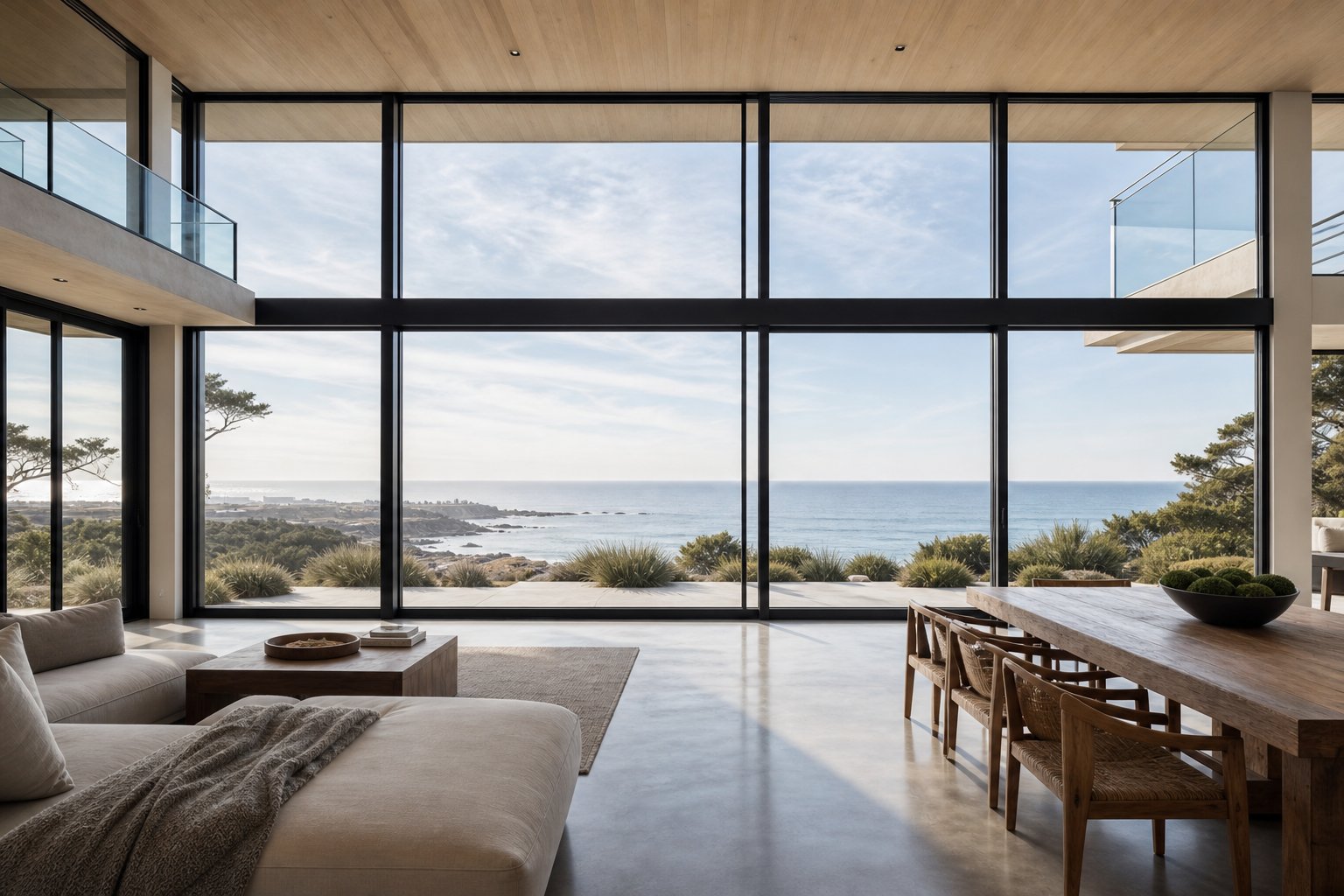
A thermally broken aluminium frame with a premium powder coat finish still underperforms if the glass inside it is wrong. Glazing accounts for roughly 80% of a window's total surface area — meaning the insulated glass unit (IGU) drives the bulk of your energy efficiency, acoustic comfort, and security performance. Think of the frame as the chassis and the glazing as the engine. Both matter, but one does most of the work.
Double Glazing vs Triple Glazing for Aluminium Frames
Aluminium double glazing remains the standard specification for most Australian residential projects. Two panes of glass separated by a gas-filled cavity deliver solid thermal and acoustic performance at a reasonable cost. Typical aluminum double pane windows achieve whole-unit U-values between 1.2 and 1.6 W/m²K — a substantial improvement over the single pane aluminum windows still found in older homes, which sit around 5.0–6.0 W/m²K with no insulating cavity at all.
Triple glazing adds a third pane and a second insulating cavity, pushing U-values as low as 0.7–1.0 W/m²K. The acoustic benefits are equally notable — each additional glass layer and gas-filled gap acts as a buffer, with weighted sound reduction values often reaching 40–45 dB compared to 32–38 dB for double-glazed equivalents. For homes near busy roads, flight paths, or industrial areas, that difference is immediately perceptible.
The trade-off is weight. A triple-glazed IGU is significantly heavier than a double-glazed unit, which is precisely where aluminium's structural rigidity becomes a decisive advantage. Vinyl frames require bulkier profiles and reinforcement to support triple glazing in larger sizes, while an aluminum glass frame handles the additional load without needing thicker sightlines. This makes aluminium the natural pairing for triple-glazed and oversized units — the frame stays slim while the glass does the heavy thermal lifting.
For most Australian climate zones, well-specified aluminium double glazing delivers excellent year-round performance. Triple glazing makes strongest sense in alpine regions, passive house projects, or noise-sensitive sites where the additional cost returns measurable comfort gains.
Low-E Coatings and Gas Fills Explained
The glass panes themselves are only part of the IGU's performance story. What coats those panes and fills the space between them determines how effectively the unit manages heat and solar radiation.
Low-emissivity (Low-E) coatings are microscopically thin metallic layers applied to one or more glass surfaces within the IGU. They work by reflecting infrared radiation — keeping heat inside during winter and blocking solar heat gain during summer — while still allowing visible light to pass through. Modern soft-coat Low-E technologies achieve this with minimal impact on glass clarity or colour neutrality, making them virtually invisible to the naked eye.
Two main types exist. Hard-coat (pyrolytic) Low-E is fused to the glass during manufacturing, creating a durable surface suited to cold climates where passive solar gain is desirable. Soft-coat (sputtered) Low-E is applied in a vacuum chamber after manufacturing, offering superior solar control and lower emissivity values — the better choice for Australia's predominantly warm and mixed climates where blocking unwanted heat gain is the priority.
Gas fills complement the coatings. Argon — roughly 34% less conductive than air — is the standard fill for quality IGUs and offers the best balance of performance and cost. Krypton provides even greater insulation (approximately 64% less conductive than air) but at a significantly higher price, typically reserved for ultra-high-performance builds or situations where cavity width must be minimised.
Acoustic and Security Glass Options
Beyond energy performance, glazing choices directly affect how safe and quiet your home feels. Laminated glass bonds two or more panes together with a polyvinyl butyral (PVB) or ethylene-vinyl acetate (EVA) interlayer. If the glass breaks, the interlayer holds fragments in place — critical for security, cyclone compliance in northern Queensland, and safety in ground-level aluminium door window applications where impact risk is higher. A metal exterior door with window panel, for instance, benefits enormously from laminated glazing on both security and safety grounds.
Acoustic interlayers take this further. Specialised PVB formulations dampen sound vibrations passing through the glass, reducing noise transmission beyond what standard laminated or tempered glass achieves alone. For an aluminium door with window panels facing a busy street, combining acoustic laminated glass with a triple-sealed aluminium frame creates a measurable difference in interior quiet.
Tempered (toughened) glass offers impact resistance and shatters into small, relatively harmless pieces rather than dangerous shards. Australian Standard AS 1288 mandates its use in specific locations — doors, sidelights, low-level panels, and wet areas — regardless of frame material.
When evaluating glazing for your project, these are the components that collectively determine IGU performance:
- Glass thickness — typically 4mm, 5mm, or 6mm per pane, with thicker glass improving acoustic performance
- Spacer bar material — warm-edge spacers (silicone foam or stainless steel) reduce heat loss at the glass perimeter compared to standard aluminium spacers
- Gas fill type — argon (standard), krypton (premium), or air (budget)
- Coating type — soft-coat Low-E for solar control, hard-coat Low-E for passive solar gain, or specialised selective coatings for maximum daylight with minimum heat
- Overall IGU thickness — ranging from 20mm (basic double-glazed) to 44mm+ (triple-glazed with wide cavities), which directly affects what frame profiles can accommodate the unit
That last point circles back to frame selection. Aluminium profiles accommodate IGU thicknesses up to 50mm or more without requiring oversized frames, thanks to the material's inherent structural strength. This flexibility means you can specify the exact glazing configuration your climate and comfort goals demand — without compromising on frame aesthetics or sightline width. The glass and the frame work as a system, and the best outcomes come from specifying both together rather than treating them as separate decisions.
Of course, even a perfectly specified IGU inside a premium aluminium frame will only perform to its rated potential if the surface finish protecting that frame can withstand decades of Australian sun, salt, and weather exposure.
Surface Finishes That Determine Long-Term Performance
Aluminium does not rust, but it is not immune to the elements. Without a protective finish, raw aluminium develops a dull oxide layer, pits under salt exposure, and loses its architectural appeal within a few seasons. The finish applied to your aluminium frames is what locks in that factory-fresh appearance for decades — or fails to. Two primary methods dominate the industry: powder coating and anodizing. Each works differently, suits different environments, and carries different quality tiers that directly affect warranty coverage and real-world longevity.
Powder Coating Grades and What They Mean for Longevity
Powder coating involves electrostatically spraying a dry resin-and-pigment powder onto the aluminium profile, then curing it at approximately 200°C to form a tough, uniform skin. The result is a thick protective layer — typically 60 to 120 microns — that resists scratching, UV degradation, and corrosion far better than liquid paint alternatives.
Not all powder coatings are equal, though. The industry grades finishes according to internationally recognised testing protocols, and the differences between tiers are substantial. A residential-grade coating might survive a few years in a mild inland climate, while a premium marine-grade system endures decades of direct coastal salt spray without chalking or peeling.
When evaluating powder coating quality on aluminium window design specifications, look for these indicators:
- Minimum film thickness of 60 microns (premium systems target 80–120 microns for enhanced protection)
- Salt spray resistance — budget coatings withstand around 1,000 hours, while AAMA 2604-rated finishes endure 3,000 hours and AAMA 2605-rated finishes exceed 4,000 hours
- UV resistance rating — measured by colour retention (Delta E less than 5) and gloss retention (minimum 30% for mid-tier, 50% or higher for premium)
- Compliance with recognised standards such as Qualicoat Class 2 or Class 3, or AAMA 2604/2605 specifications
- Pre-treatment process — quality applicators use a multi-stage wash including acid etching and chrome-free pretreatment to ensure proper adhesion before powder is applied
The warranty attached to a powder coat finish tells you which tier you are getting. A 10-year finish warranty typically indicates an AAMA 2604-equivalent product — suitable for most residential and low-rise applications in moderate climates. A 20- to 30-year warranty signals AAMA 2605-level performance, engineered for high-UV zones, coastal regions, and exposed elevations where degradation pressure is relentless. For Australian conditions — where UV intensity ranks among the highest globally — specifying at least a mid-tier finish is not optional; it is essential.
Anodizing vs Powder Coating for Different Environments
Anodizing takes a fundamentally different approach. Rather than applying a coating on top of the metal, the process converts the aluminium surface itself into aluminium oxide through an electrochemical bath. The resulting layer is not a separate skin — it is part of the metal, grown from within. This makes anodized finishes impossible to peel or delaminate, because there is no boundary between coating and substrate.
The anodized layer is thinner than powder coating — typically 10 to 25 microns — but significantly harder, reaching 300 to 400 Vickers on the hardness scale. It resists abrasion from wind-driven sand, tolerates salt exposure without blistering, and maintains its metallic appearance without the chalking that can affect powder coatings over extended periods.
The trade-off is colour range. Anodizing produces natural metallic tones — silver, bronze, and black — but cannot replicate the full RAL spectrum available through powder coating. For projects where a specific colour is critical to the aluminium window design, powder coating remains the more versatile option. Where maximum durability and a refined metallic aesthetic matter more than colour variety, anodizing delivers superior long-term resilience.
Coastal properties within 500 metres of breaking waves face the harshest conditions. In these environments, some manufacturers offer a duplex system — anodizing the profile first for corrosion and scratch resistance, then applying a premium powder coat over the top for UV protection and colour flexibility. This combined approach can extend finish life beyond 30 years, though it adds roughly 40% to finishing costs. For beachfront homes along the Gold Coast, Sunshine Coast, or Sydney's Northern Beaches, that investment often proves worthwhile against the alternative of premature refinishing or replacement.
Colour Options and Architectural Aesthetics
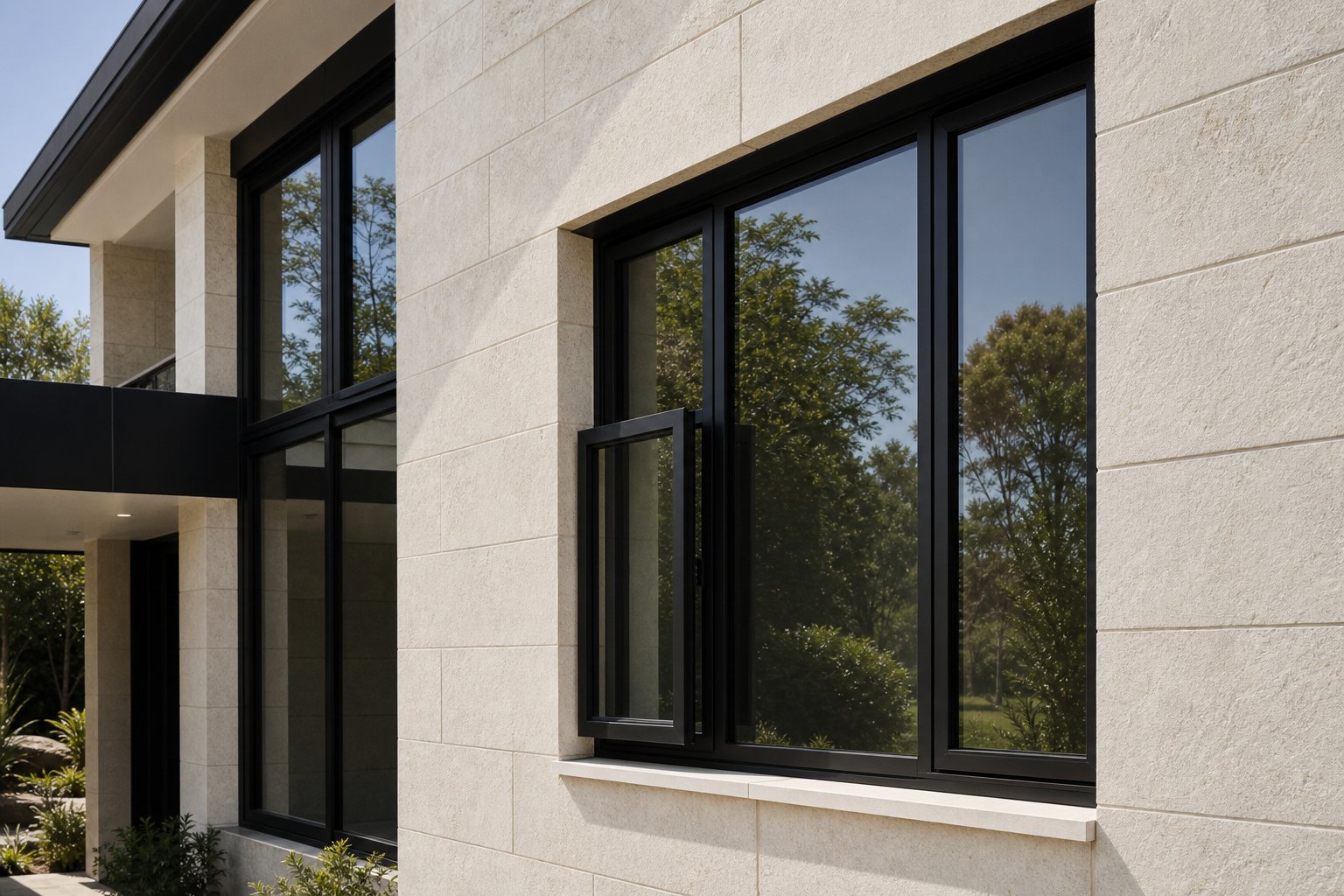
Finish technology has expanded the design palette for modern windows and doors dramatically. Black aluminum windows have become the defining aesthetic of contemporary Australian architecture — their dark frames create bold contrast against light render and maximise the visual impact of large glass panels. Bronze aluminum windows offer a warmer, more textured alternative that complements natural stone, timber cladding, and earthy colour schemes popular in coastal and rural builds. White aluminum windows remain a staple for heritage-sensitive projects and lighter architectural styles where the frame should recede rather than dominate.
Beyond single colours, premium finishing allows dual-colour configurations — a different shade on the exterior face versus the interior. This means a black aluminum window on the outside can pair with a white or timber-look finish inside, matching interior decor without compromising street presence. The same flexibility applies to aluminum clad doors, where the exterior aluminium shell carries a weather-resistant finish while the interior surface complements the home's internal palette.
What separates a finish that looks good at installation from one that still looks good in 20 years is the quality tier behind it. A premium powder coat maintains colour stability with minimal shift — a Delta E under 5 means the average person cannot detect the change without placing a new sample directly beside the weathered surface. Budget finishes, by contrast, begin chalking and fading within 3 to 5 years under Australian UV exposure, turning what was once a crisp charcoal into a washed-out grey.
The finish is the first thing people see and the last line of defence against the elements. It deserves the same scrutiny as the thermal break or glazing specification — because a frame that looks tired after a few years undermines the entire investment, regardless of what sits beneath the surface. Verifying finish quality, however, requires understanding the certifications and testing standards that separate proven performance from marketing language.
Certifications and Standards That Prove Quality
A premium powder coat or anodized finish tells you the surface will last — but how do you verify that the entire window or door system performs as claimed? Marketing language is easy to produce. Independent test data is not. The certifications and performance ratings attached to a product reveal whether an aluminium window manufacturer has invested in rigorous third-party validation or is simply relying on impressive-sounding brochure copy.
Performance Ratings Every Buyer Should Understand
Several rating systems exist globally to quantify fenestration performance. For Australian buyers, the most relevant is the Window Energy Rating Scheme (WERS), which uses a star-based system (up to 10 stars) to rate heating and cooling performance independently — critical in a country where climate zones range from tropical Darwin to alpine Thredbo. WERS ratings feed directly into NatHERS energy assessments, making them the primary metric for residential compliance.
Internationally, the NFRC (National Fenestration Rating Council) system provides granular performance data across four key metrics:
- U-factor — measures heat transfer through the entire window assembly. Lower values indicate better insulation.
- Solar Heat Gain Coefficient (SHGC) — indicates how much solar radiation passes through the glass. Lower values mean less unwanted heat gain in summer; higher values benefit passive solar heating in winter.
- Visible Transmittance (VT) — the percentage of visible light the glazing admits. Higher values mean brighter interiors without artificial lighting.
- Air Leakage (AL) — rates how much air infiltrates through the assembly. Lower values mean fewer draughts and better energy retention.
These metrics matter because they let you compare products objectively. Two aluminium window manufacturers might both claim "high performance," but their U-factors could differ by a factor of three. Numbers do not lie — marketing copy often does.
For commercial aluminium windows and doors, structural performance grades add another layer. The AAMA classification system rates products from R (residential, handling 720 Pa design pressure) through LC (light commercial, 1,200 Pa), CW (commercial, 1,440 Pa), to AW (architectural, 1,920 Pa and above). These grades determine whether a product can handle the wind loads, deflection limits, and cycling demands of multi-storey buildings, exposed facades, and high-traffic commercial aluminium windows installations. Specifiers working on anything beyond standard residential should be requesting documented performance grades — not just verbal assurances.
Certifications That Verify Manufacturer Quality Claims
Not all certifications carry equal weight for Australian projects. Some are mandatory, others voluntary but highly indicative of a manufacturer's commitment to verified quality. Ranked by priority for buyers in the Australian market:
- AS 2047 compliance — the mandatory Australian Standard for windows and external glazed doors. Products must pass deflection, operating force, air infiltration, water penetration, and ultimate strength tests as defined in the AS 4420 test series. If a window lacks AS 2047 certification labelling, do not install it — full stop.
- AS 1288 compliance — governs glass selection and installation. This standard ensures correct glass type, thickness, and treatment for every application, including safety glazing in doors, low-level panels, and wet areas.
- WERS rating — voluntary but essential for demonstrating energy performance. Products rated under WERS provide verified heating and cooling star ratings that feed directly into NatHERS compliance calculations.
- BAL (Bushfire Attack Level) compliance — mandatory in designated bushfire-prone areas. Aluminium's non-combustible classification gives it an inherent advantage, but the complete system (seals, glazing, hardware) must meet the relevant BAL rating.
- Cyclone compliance (wind region classifications) — critical for projects in northern Queensland, the Northern Territory, and parts of Western Australia. Commercial aluminum windows in these regions must demonstrate structural adequacy under extreme wind pressures specified in AS/NZS 1170.2.
- Qualicoat or AAMA 2604/2605 finish certification — verifies the surface finish will perform as warranted, with documented salt spray, UV, and humidity resistance data.
Reputable aluminium window manufacturers invest heavily in this testing infrastructure because independent certification is expensive and time-consuming — which is precisely why it serves as a reliable quality filter. Manufacturers who publish their test data openly, provide AS 2047 compliance labels on every unit, and maintain current WERS listings are demonstrating accountability that budget aluminum window suppliers simply cannot match.
For Australian builders, developers, and architects evaluating aluminium window supplies for project specifications, MEICHEN's aluminium window, door, and facade systems offer an example of a product range engineered to meet Australian building code requirements — with their full ecosystem of windows, doors, curtain walls, louvres, and balustrades designed for AS 2047 and NCC compliance across residential and commercial applications.
The certification framework exists to protect buyers from unverifiable claims. But certifications only confirm what a product is designed to do — they cannot protect you from the shortcuts some manufacturers take during production. Knowing what those shortcuts look like, and how to spot them before purchase, is the next critical skill in evaluating quality.
Red Flags and Quality Shortcuts to Avoid
Certifications tell you what a product should be. Red flags tell you what it actually is. Budget manufacturers rarely advertise their cost-cutting measures — they bury them in vague specifications, omit critical details from quotes, or rely on buyers not knowing what to ask. The shortcuts below are the most common ways cheap aluminium windows fail their owners, and each one carries consequences that far outlast the initial price saving.
Profile Thickness and Structural Shortcuts
The wall thickness of an aluminium extrusion determines its structural rigidity, resistance to wind loads, and ability to support heavy glazing without flexing. Quality systems use profiles with wall thicknesses of 1.6mm or above — often 2.0mm for larger openings and commercial applications. Budget manufacturers routinely drop to 1.2mm or 1.4mm to reduce raw material costs. The result is a frame that feels flimsy during operation, deflects under wind pressure beyond acceptable limits, and cannot safely support double or triple-glazed IGUs in larger sizes.
Old aluminium windows pulled from renovations often reveal this shortcut clearly — thin profiles that have bowed, cracked at corner joints, or allowed the sash to sag over time. The same problem appears in new products sold at suspiciously low prices. If a supplier cannot confirm profile wall thickness in writing, treat that silence as an answer.
Hardware and Seal Quality Red Flags
Hardware is where budget products fail fastest. A single-point locking mechanism — one latch at the handle location — provides neither adequate security nor proper compression of weatherseals around the full perimeter. Quality systems use multi-point locking with engagement at three or more positions, pulling the sash evenly against the frame and maintaining seal contact along every edge.
Weatherseals themselves vary enormously. Premium systems use continuous EPDM rubber gaskets that maintain elasticity across temperature extremes for decades. Budget alternatives substitute cheaper PVC or foam strips that harden, shrink, and crack within a few years — allowing draughts, dust, water, and noise to infiltrate progressively. In coastal areas from the Gold Coast to Perth's western suburbs, degraded seals accelerate salt-laden air penetration into the home, compounding damage to interior finishes and furnishings.
How to Spot Misleading Quality Claims
Some shortcuts are invisible at the showroom stage. Others reveal themselves through what a supplier will not tell you. The following checklist contrasts common red flags with what a genuinely quality product should deliver:
- Profile wall thickness under 1.4mm — quality products specify 1.6mm minimum, with documentation available on request
- No thermal break or vague "thermally improved" language — quality products identify the thermal break material (polyamide or polyurethane) and its width in millimetres
- Single-point locking hardware — quality products use multi-point locking systems with stainless steel components (Grade 304 minimum, Grade 316 for coastal)
- PVC or foam weatherseals — quality products use continuous EPDM rubber gaskets with documented compression-set resistance
- No AS 2047 compliance label — quality products carry a permanent compliance label on every unit, referencing specific test results
- Single glazing offered as standard — quality products specify insulated glass units with Low-E coating and argon fill as the baseline residential specification
- Finish warranty under 10 years or no warranty at all — quality products carry independently certified finishes with 15- to 25-year warranties backed by Qualicoat or AAMA documentation
- No published WERS rating — quality products provide verified star ratings that allow objective comparison
- Reluctance to provide written specifications — quality manufacturers publish detailed technical data sheets covering every measurable performance attribute
The pattern is consistent: every shortcut reduces upfront manufacturing cost while transferring the real expense to the homeowner — through higher energy bills, premature hardware failure, seal degradation, condensation damage, and eventual full replacement years before a quality system would need attention. When you see cheap aluminium windows for sale at prices that seem too good to be true, these are the compromises funding that discount.
A long-term cost analysis of budget versus premium fenestration consistently shows the same outcome: products bought at the lowest price tier cost more over a 20-year ownership period than mid-range or premium alternatives purchased once. The replacement cycle alone — removing failed units, repairing surrounding finishes, and installing new products — often exceeds the original price difference between budget and quality specifications.
Spotting these red flags before purchase protects your investment. But even a product that passes every quality check on paper can still fail if the installation does not match the engineering behind it.
Installation Standards and Building Code Compliance
A product that passes every quality check on paper can still leak, rattle, and underperform within months — if the person fitting it treats installation as an afterthought. Installation quality is not a secondary concern. It is equal to product quality. A poorly installed premium window performs worse than a mid-range product fitted correctly, because the building envelope relies on precise integration between the frame, the structural opening, and the surrounding moisture and air barriers.
Why Installation Quality Equals Product Quality
Aluminium frames are engineered to tight tolerances. Their thermal breaks, weatherseals, and drainage channels only function as designed when the frame sits plumb, level, and square within a properly prepared opening. A frame racked by even 2–3mm introduces uneven seal compression — creating gaps where air, water, and noise bypass the system entirely. For aluminium window replacement projects in older homes, this risk intensifies because existing openings are rarely perfectly square after decades of settling.
Warranty implications reinforce the point. Most reputable manufacturers require installation by approved or licensed tradespeople to maintain product warranty coverage. DIY aluminium frame window replacement or installation by unqualified contractors typically voids the manufacturer's warranty — leaving the homeowner exposed if hardware fails, seals degrade prematurely, or water penetration damages surrounding framing.
Building Code Requirements and Compliance Checks
In Australia, window and door installations must comply with the National Construction Code (NCC) and relevant Australian Standards — primarily AS 2047 for the product itself and AS 4055 for wind classification in the installed context. Replacement aluminium windows are not exempt from these requirements simply because they occupy an existing opening. Council approval or a complying development certificate may be required depending on the scope of work, particularly where structural modifications to the opening are involved.
Flashing and waterproofing are where most installation failures originate. The window frame must integrate with the wall's moisture barrier through properly sequenced flashing — a sill pan with drainage to the exterior, jamb membranes lapped correctly over the sill layer, and head flashing that directs water away from the top of the frame. Skipping or incorrectly sequencing these layers allows bulk water to enter the wall cavity, causing timber rot, mould growth, and structural damage that remains hidden until repair costs escalate dramatically.
What to Expect During Professional Installation
A proper aluminium window and door installation follows a defined sequence. Whether the project involves new construction or aluminium retrofit windows fitted into existing openings, the critical stages remain consistent:
- Opening verification — confirm the rough opening is plumb, level, and square within 2mm tolerance; check structural adequacy of surrounding framing to support the new unit's weight and wind load requirements
- Existing frame removal (replacement projects) — carefully extract old frames without damaging surrounding waterproofing or structural members; assess and repair any concealed moisture damage before proceeding
- Flashing and moisture barrier integration — install sill pan with end dams and positive drainage slope; apply jamb and head flashing in correct shingle-lapped sequence over the water-resistive barrier
- Frame setting and shimming — position the frame in the opening on packers; shim at fixing points to achieve plumb and level without distorting the frame; verify diagonal measurements to confirm square
- Mechanical fixing — secure the frame to structural members using manufacturer-specified fasteners at prescribed centres; avoid over-tightening, which can bow the profile and compromise seal contact
- Perimeter sealing — apply backer rod and compatible sealant between the frame and the surrounding finish; ensure continuous seal without gaps that allow air or moisture bypass
- Commissioning and adjustment — test all operable sashes for smooth operation; verify locking hardware engages fully at every point; check drainage slots are clear and functional; confirm weatherseals make even contact around the full perimeter
For replacement windows aluminium projects specifically, the condition of the existing structural opening often dictates whether a straightforward insert installation is feasible or whether full frame-out replacement is necessary. Insert installations — where the new frame fits inside the existing sub-frame — are faster and less disruptive but sacrifice some glass area. Full replacement removes everything back to the structural rough opening, allowing proper reflashing and maximum glazing size, though it requires more extensive making-good of internal and external finishes.
Verifying compliance after installation is the homeowner's final safeguard. Request a compliance certificate confirming the installation meets NCC requirements, check that AS 2047 labels remain visible on each unit, and ensure your building certifier or inspector signs off before cladding or internal linings conceal the flashing layer. These steps close the loop between product quality and installed performance — ensuring the engineering built into your aluminium fenestration actually delivers the comfort, efficiency, and durability it was designed to provide.
With both product quality and installation standards addressed, the remaining question is practical: how do you pull all these criteria together into a decision that matches your specific project?
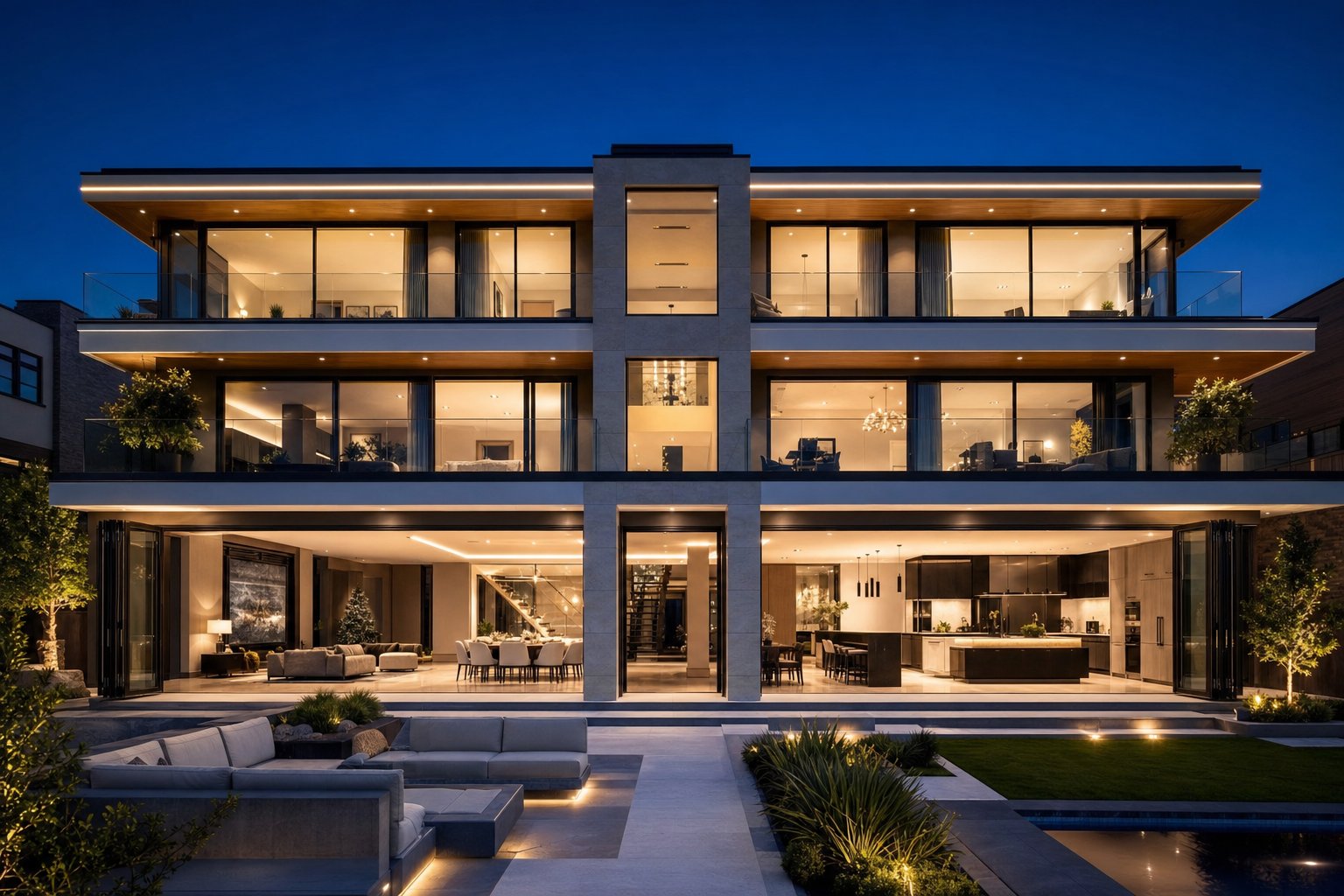
Choosing the Right Aluminium Windows and Doors for Your Project
Every project carries a unique combination of constraints — climate exposure, structural demands, aesthetic ambitions, and budget realities. The quality criteria covered throughout this article only become useful when you apply them to your specific situation rather than chasing a generic "best" specification that may not align with what your build actually needs.
Matching Specifications to Your Project Requirements
Start with climate zone. A home in tropical Cairns faces cyclone ratings, extreme humidity, and relentless UV — demanding heavy-duty aluminium joinery with marine-grade finishes, laminated glazing for impact compliance, and robust drainage channels. A Melbourne townhouse prioritises thermal performance and acoustic control, making thermally broken frames with argon-filled double glazing the logical baseline. Alpine builds around Jindabyne or Falls Creek push toward triple glazing and wider thermal breaks to handle sustained sub-zero conditions.
Building type shapes the specification differently again. A single-storey brick veneer renovation has modest structural demands — standard residential-grade aluminium doors and windows handle the brief comfortably. A multi-storey apartment complex or commercial shopfront requires architectural-grade (AW-rated) systems with thicker profiles, commercial hardware cycling ratings, and documented wind load performance. The gap between residential and commercial aluminium specifications is not just about strength — it affects hardware durability, seal longevity, and long-term maintenance costs.
Aesthetic goals narrow the field further. If your design calls for expansive aluminum sliding windows connecting living areas to outdoor entertaining, you need profiles engineered for maximum panel widths with minimal sightlines. If the brief demands traditional proportions — perhaps for a heritage overlay zone — aluminum casement windows with slimmer sash profiles and period-appropriate hardware offer the structural benefits of aluminium without compromising architectural character. The best aluminum windows for any project are the ones whose specifications align precisely with the performance, aesthetic, and compliance demands of that particular build.
Budget tier deserves honest consideration too. Premium aluminium fenestration costs more upfront than budget alternatives — but as this article has demonstrated, the total cost of ownership over 20 to 30 years consistently favours quality. If budget constraints are real, prioritise spending on thermal breaks and glazing quality over finish upgrades or decorative hardware. Those two elements deliver the greatest return through energy savings and longevity.
Evaluating Suppliers and Product Ranges
Specifications only matter if the supplier behind them can deliver consistently, provide documentation, and support the product through its lifespan. When comparing aluminium window and door suppliers for your project, use this checklist to separate genuine quality providers from those trading on appearance alone:
- Does the supplier offer a complete product ecosystem — windows, aluminum doors, curtain walls, louvres, and balustrades — allowing you to source a coordinated system from one manufacturer rather than piecing together incompatible components?
- Can they provide AS 2047 compliance documentation and WERS ratings for every product in their range?
- Do they publish detailed technical data sheets covering profile thickness, thermal break specifications, glazing capacity, and hardware ratings?
- Is their powder coating or anodizing independently certified to Qualicoat or AAMA standards, with documented warranty terms?
- Do they offer project-specific engineering support for non-standard sizes, wind load calculations, or BAL-rated configurations?
- Can they demonstrate a track record across both residential and commercial projects in Australian conditions?
- Do they maintain relationships with approved installers who understand their systems and preserve warranty coverage?
- Are sample products available for physical inspection — not just renders or catalogue images?
For Australian builders, developers, and architects seeking a supplier that ticks these boxes across a full aluminium system range, MEICHEN's aluminium window, door, and facade systems provide a project-ready ecosystem covering everything from residential aluminium windows and doors through to commercial curtain walls, louvres, and balustrades — all engineered for Australian building code compliance. Their product range demonstrates the kind of integrated approach that simplifies specification and procurement for projects requiring coordinated aluminium joinery across multiple applications.
Choosing aluminium doors and windows is ultimately a systems decision. The frame, glazing, hardware, finish, and installation must work together — and the supplier you choose determines whether that integration happens by design or by accident. Apply the criteria in this article methodically, demand documentation for every claim, and invest in the specification tier that matches your project's true lifespan expectations. The shortcuts that ruin homes are always cheaper on day one. They are never cheaper on day ten thousand.
Frequently Asked Questions About High Quality Aluminium Windows and Doors
1. What makes aluminium windows and doors high quality?
High quality aluminium windows and doors are defined by a complete system approach rather than any single component. The frame must feature a genuine polyamide or polyurethane thermal break (typically 24-35mm wide in premium systems), independently certified surface finishes meeting Qualicoat or AAMA 2604/2605 standards, multi-point locking hardware with stainless steel components, continuous EPDM rubber weatherseals, and insulated glass units with Low-E coatings and argon gas fills. Every unit should carry AS 2047 compliance labelling and verified WERS energy ratings. Manufacturers like MEICHEN engineer their full product ecosystem — windows, doors, curtain walls, louvres, and balustrades — to meet Australian building code requirements across residential and commercial applications.
2. How long do high quality aluminium windows last compared to other materials?
Thermally broken aluminium windows and doors typically last 40 to 60 years or more with minimal maintenance — periodic cleaning is all that is required. By comparison, vinyl (uPVC) frames last 20 to 40 years, timber frames can exceed 50 years but only with diligent repainting or re-oiling every 3 to 7 years, and fibreglass frames last 40 to 50 years. Aluminium's longevity stems from its natural corrosion resistance, dimensional stability (no warping, swelling, or shrinking), and the durability of premium powder-coated or anodised finishes that maintain appearance for decades under Australian UV and coastal conditions.
3. Are thermally broken aluminium windows worth the extra cost?
Yes. Thermally broken aluminium frames deliver frame U-values between 0.8 and 3.5 W/m2K, compared to 5.8 to 7.0 W/m2K for non-thermally broken equivalents. This translates to 20-30% less frame-related heat loss, lower energy bills across every heating and cooling season, and virtually eliminated condensation risk on interior frame surfaces. The upfront cost premium typically pays for itself within the product's lifespan through reduced HVAC loads and improved NatHERS star ratings. Non-thermally broken frames also promote mould growth and structural decay in humid coastal climates, adding hidden repair costs that erode any initial savings.
4. What certifications should I look for when buying aluminium windows in Australia?
The most critical certification is AS 2047 compliance — the mandatory Australian Standard for windows and external glazed doors. Every unit must carry a permanent compliance label. Beyond this, look for AS 1288 compliance for correct glass selection, WERS star ratings for verified energy performance feeding into NatHERS calculations, BAL compliance for bushfire-prone areas, and cyclone compliance for northern regions. For surface finishes, Qualicoat Class 2 or 3 certification, or AAMA 2604/2605 ratings, confirm the coating will withstand Australian UV and salt exposure. Reputable suppliers publish all test data openly and provide documentation on request.
5. How do I spot cheap aluminium windows that will fail prematurely?
Watch for these red flags: profile wall thickness under 1.4mm (quality systems use 1.6mm minimum), absence of a genuine thermal break or vague 'thermally improved' language without specifying break width and material, single-point locking hardware instead of multi-point systems, PVC or foam weatherseals rather than continuous EPDM rubber gaskets, no AS 2047 compliance label, single glazing offered as standard, finish warranties under 10 years, and reluctance to provide written technical specifications. Budget products transfer costs to the homeowner through higher energy bills, premature hardware failure, condensation damage, and full replacement years before a quality system would need attention.