

What Crank Out Casement Windows Are and How to Recognise Them
Crank out casement window: a window whose sash is hinged on one vertical side and swings outward when you turn a handle on the interior sill. Turning the handle drives a small gear operator, and the operator's arm pushes the sash open or pulls it closed.
Say you've just moved into a house where the windows open with a little handle, and one of them has started to stick. You can't fix it, or decide whether it's worth fixing, until you know what you're looking at.
What's a Casement Window and What Is a Crank Window?
The two names describe different things. 'Casement' describes how the sash is hung. It's hinged on one vertical side, so it swings open like a door. 'Crank window' describes how you open it: you turn a handle instead of sliding the sash.
That overlap causes plenty of confusion. Awning windows use the same kind of crank operator, but they're hinged at the top and swing out from the bottom. One window installer notes that both styles share the same basic mechanism, so people call them all crank windows. Every crank out casement is a crank window, but not every crank window is a casement.
What Does a Casement Window Look Like When Open and Closed?
Closed, a casement shows a clear sheet of glass with no horizontal meeting rail across the middle. That rail is the bar you see on a double-hung window where the two sashes overlap. Inside, a handle and a small operator cover sit on the sill. Open, the sash sticks out from the wall like a door left ajar.
Look for these signs:
- A single pane of glass in each sash, with no rail across it
- A crank handle on the interior sill
- Hinges along the top and bottom edges of the sash, which you can see when it's open
- A flyscreen on the inside of the window instead of the outside
Who This Guide Is For
This guide is mainly for people who already have crank out casement windows and need to operate, maintain or repair them. If yours are stiff or draughty, or won't lock, the later sections will help you find the cause before you spend money. Buyers planning new or replacement casements are covered too, in the sections on hinges, configurations, frame materials and specifications.
The handle is the only part you touch, but it's the first link in a chain of parts that moves the sash. Most crank problems start further along that chain, inside the small housing under the handle.
Inside the Casement Crank Mechanism From Handle to Sash
A casement sash can be heavy, yet two fingers on the handle will swing it open. The gearing does that work. A worm gear turns the light twist of your hand into the strong push needed to move the sash. Every part between the handle and the glass has its own job, and each one can fail.
How Force Travels From the Casement Crank to the Sash
- Handle. The handle fits over a splined shaft, which is a short stub with fine ridges. A small set screw holds the handle in place.
- Worm gear. The shaft turns a worm gear inside the operator housing. This steel spiral drives a softer gear that turns slowly but with far more force.
- Arms. That gear drives one or more arms.
- Sash connection. The end of each arm connects to a bracket or stud on the sash. It often rides in a track along the bottom of the sash.
- Hinges. Hinges at the top and bottom of the sash guide the swing, so the sash follows a fixed path and doesn't just hang off the arm.
Each failure in that chain shows up differently. If the teeth inside the handle wear, the handle spins on the shaft. If the gear inside the housing strips, the handle also spins, but this time the shaft turns with it. If an arm pops out of its track, the arm moves and the sash stays put. A dry hinge makes the crank stiff even when the gears are fine. Because each symptom points to a specific part, you can usually find the fault before you buy anything.
Types of Crank Windows by Operator Design
The operator is the gearbox and arm assembly screwed to the sill. Operators differ mainly in how their arms reach the sash.
| Operator Type | How It Moves the Sash | Typical Use | What to Note |
|---|---|---|---|
| Roto-gear operator | A worm gear in a closed housing turns the arm. This is the general design behind most crank operators. | Most crank out casement and awning windows | The name describes the gear, not the arm. You still need to identify the arm style. |
| Single-arm operator | One straight arm pushes the sash, and its end slides in a track under the sash. | Common on standard casement sashes | Match the arm length and the end fitting, which may be a clip, a stud post or a roller. |
| Dual-arm operator | Two separate arms share the work of moving the sash. | Often found on larger or wider sashes | Measure both arms. Each arm may use a different end fitting. |
| Dyad or split-arm operator | Two linked arm sections work together and fold into a compact space when the window closes. | Windows where a compact operator suits the sill or frame | Some suppliers list split-arm and dyad operators separately. Measure each section and the joint. |
You can usually identify your operator without removing it. This operator identification guide suggests cranking the window open and watching how the arms move. Check the underside of each arm too. Manufacturers often stamp a number there, although many operators have no markings at all. Also note whether each arm is straight, curved up or curved down. An arm with the wrong curve can stop the window from closing fully.
Hand Crank Windows and Folding Nesting Handles
Hand crank windows use one of two handle styles. A standard fixed handle always sticks out from the operator cover. A folding, or 'nesting', handle has a hinged arm that tucks flat against the cover, so blinds and shades can come down past it and close fully.
The handle is the cheapest part of the system, and you can usually replace it without touching the operator. Loosen the set screw, pull the old handle off the shaft and push the new one on. Two things must match. The first is the spline, meaning the size of the shaft and the number of ridges on it. The second is the handing, because some handles are shaped for left-hand or right-hand operators. Compatibility varies by manufacturer, so check the operator for markings and take the old handle with you when you shop.
A new handle fixes a worn spline, but it can't change the path the sash takes. The hinges set that path, and hinge designs vary from one casement to another far more than cranks do.
Hinge Types That Change How a Hinged Window Sash Opens
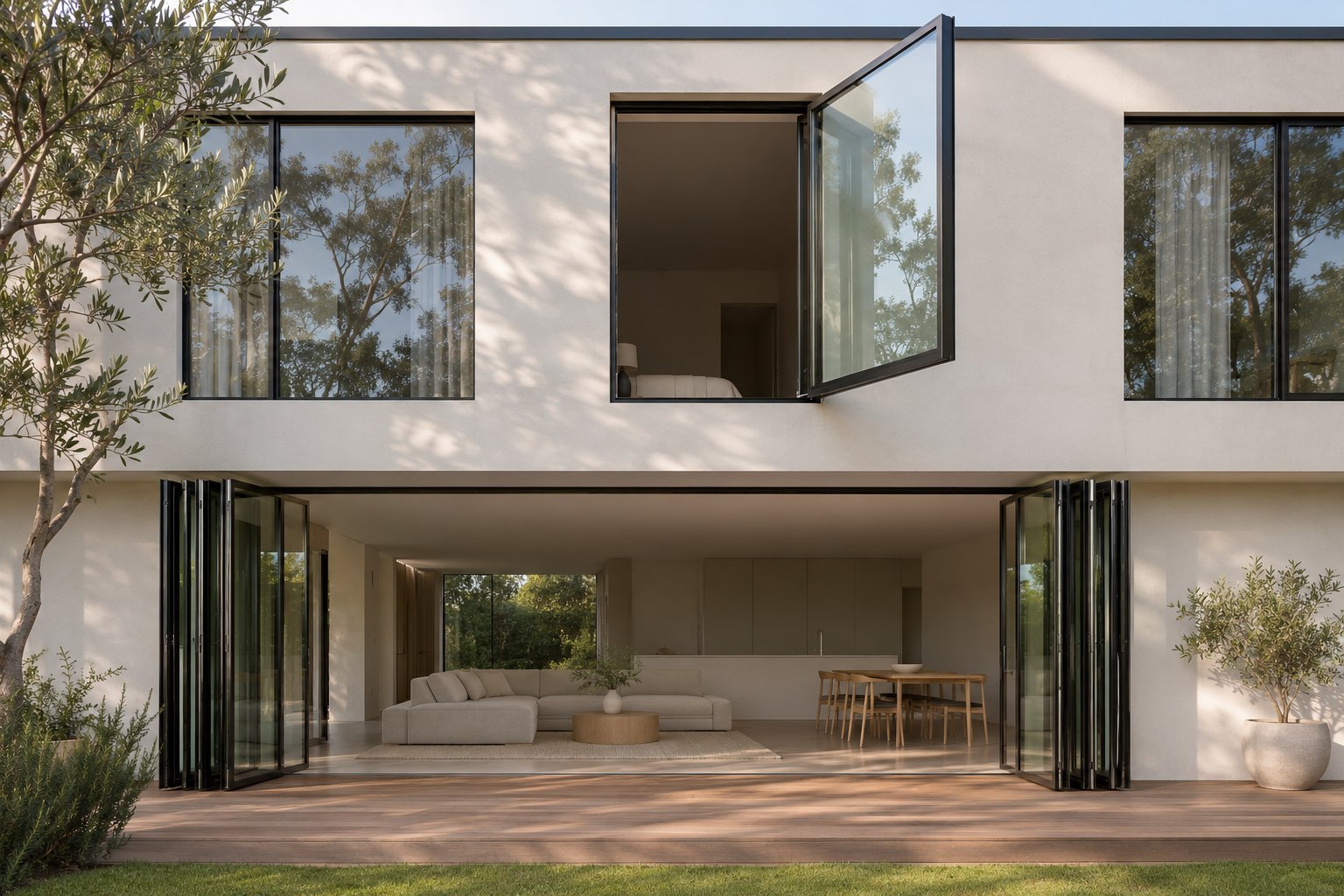
Two crank out casements can have the same crank and still open in very different ways. The arm pushes the sash, and the hinges at the top and bottom decide where it goes. They control how wide the opening gets, how far the sash sticks out, and whether you can reach the outside of the glass.
Standard, Egress, and Wash-Mode Hinges
| Hinge Type | How the Sash Moves | Main Benefit | Trade-off |
|---|---|---|---|
| Standard | The sash swings out along the hinge track, and the hinged edge stays close to the frame. | Simple hardware that closes snugly against the frame | The outside glass near the hinged edge is hard to reach from indoors. |
| Egress | The sash opens wider and moves further clear of the frame. | A larger clear opening, so a person can climb out in an emergency | The open sash sticks out further. It needs more room outside and catches more wind. |
| Wash-mode | The hinged edge slides toward the centre of the opening as the sash opens. | A gap opens on the hinge side, so you can clean the outside glass from indoors. | The sash sits partly across the opening. Check the clear opening if the window also has to work as an exit. |
Casement Windows for Egress and Emergency Exit
Can a crank window be an emergency exit? It can, but the window style alone doesn't decide it. What matters is the clear opening, meaning the space a person can actually climb through when the sash is fully open in normal use. That space is smaller than the frame size printed on the label. A casement swings its whole sash out of the way, so its net clear opening comes close to the full opening minus the frame. A hinge that stops the sash at a shallow angle takes some of that space away. Sill height matters too, because a wide opening is hard to use if the sill is too high to climb over.
Australian homes have another rule to check. The National Construction Code (NCC) limits how far some upper-storey bedroom windows can open, to prevent falls, and those limits can restrict a casement's opening. A sash that needs a key or tool to open fully makes a poor escape route, so ask how any lock or restrictor releases. Before you order, confirm the requirements for your room with your local council or a registered building surveyor. Also ask the supplier for the clear-opening figure for the exact model and hinge.
Cleaning the Outside Glass and Removing the Sash
On a standard hinge, the hinged edge stays tight against the frame, so the outside of the glass is hard to reach from inside. A wash-mode hinge slides that edge toward the centre as you crank the window open, which leaves a gap on the hinge side. You reach through the gap and clean the outside glass without a ladder, as this wash-mode demonstration shows.
Fitting a new hinge or weatherstrip sometimes means taking the sash out. The general sequence is:
- Crank the sash open far enough to reach the operator arm.
- Disconnect the arm from the bracket on the sash. Depending on the design, the arm slides out of a track or unclips.
- Support the sash, then release it from the hinges using the manufacturer's method.
Release methods vary. Some sashes unclip or slide off the hinge track, and others need screws taken out, so check the original documentation if you have it. Sashes can be heavy, especially double-glazed ones, so have a second person hold the sash while you release it. On an upper storey, never lean out to catch a sash. If you can't hold it safely from inside, call a professional.
Hinged Window Variations Including Push Out and Inswing
Not every hinged window has a crank. Push out casement windows use a handle that unlatches the sash, and then you push the sash open by hand. With no operator there are no gears to strip, but the hinges or a stay have to hold the sash in position, and wind can swing it about.
Inswing casement windows open into the room. They don't need any clearance outside, which suits windows over decks, paths and walkways. In exchange, you need clear space inside for the sash, and the flyscreen goes on the outside.
Even the best hinge only lasts as long as the window is used properly. Cranking in the wrong order, or against a lock that's still engaged, can wear out good hardware quickly.
How to Open, Close and Lock Crank Windows Correctly
Most people use crank windows without a second thought. The order of the steps still matters, because the crank and the lock do two different jobs.
The Right Sequence for Windows That Crank Open
- Release the lock fully. Move the lock handle all the way to the open position before you touch the crank. A lock that is only half released can still hold the sash.
- Crank open smoothly. Turn at a steady pace and stop when the sash reaches its stop. Don't push past it to get a little more opening.
- Crank closed until the sash meets the frame along its full length. Check the top corner as well as the bottom corner near the handle.
- Engage the lock. The lock pulls the sash in and squeezes it against the weatherstrip.
The last step is the one people most often skip. The crank only brings the sash up to the frame. The lock is what makes the final seal. A window that has been cranked shut but not locked can still let draughts in, which is why the troubleshooting section later in this guide checks the lock first.
What Not to Do With Windows That Open Out
- Don't crank against an engaged lock. The gears end up taking the whole load.
- Don't force a crank that stiffens or grinds. One window repair specialist warns that the extra pressure can strip the gears, bend an operator arm, damage the track or pull mounting screws out of the window.
- Don't push or pull the open sash by hand. Doing so strains the operator arm and the point where it connects to the sash.
- Don't leave the sash open in strong wind or rain. A sash that opens outward catches the wind, and an open window lets rain in.
If the crank resists, stop and find the cause. Forcing it turns a cheap handle or lubrication fix into an operator replacement.
Daily Habits That Help Crank Windows Last
- Keep the sill and the track under the sash clear of leaves, dust and dead insects.
- Close and lock the window before a storm arrives. A sudden gust on a hot afternoon can swing an open sash hard against its stop.
- Fold nesting handles flat before you lower blinds, so the blind doesn't snag on the handle or bend it.
On every one of these crank open windows, the flyscreen sits between your hand and the sash. It is mounted on the inside for a mechanical reason, and that position affects how you remove it, measure it and look after it.
Casement Window Screens Explained and Measured
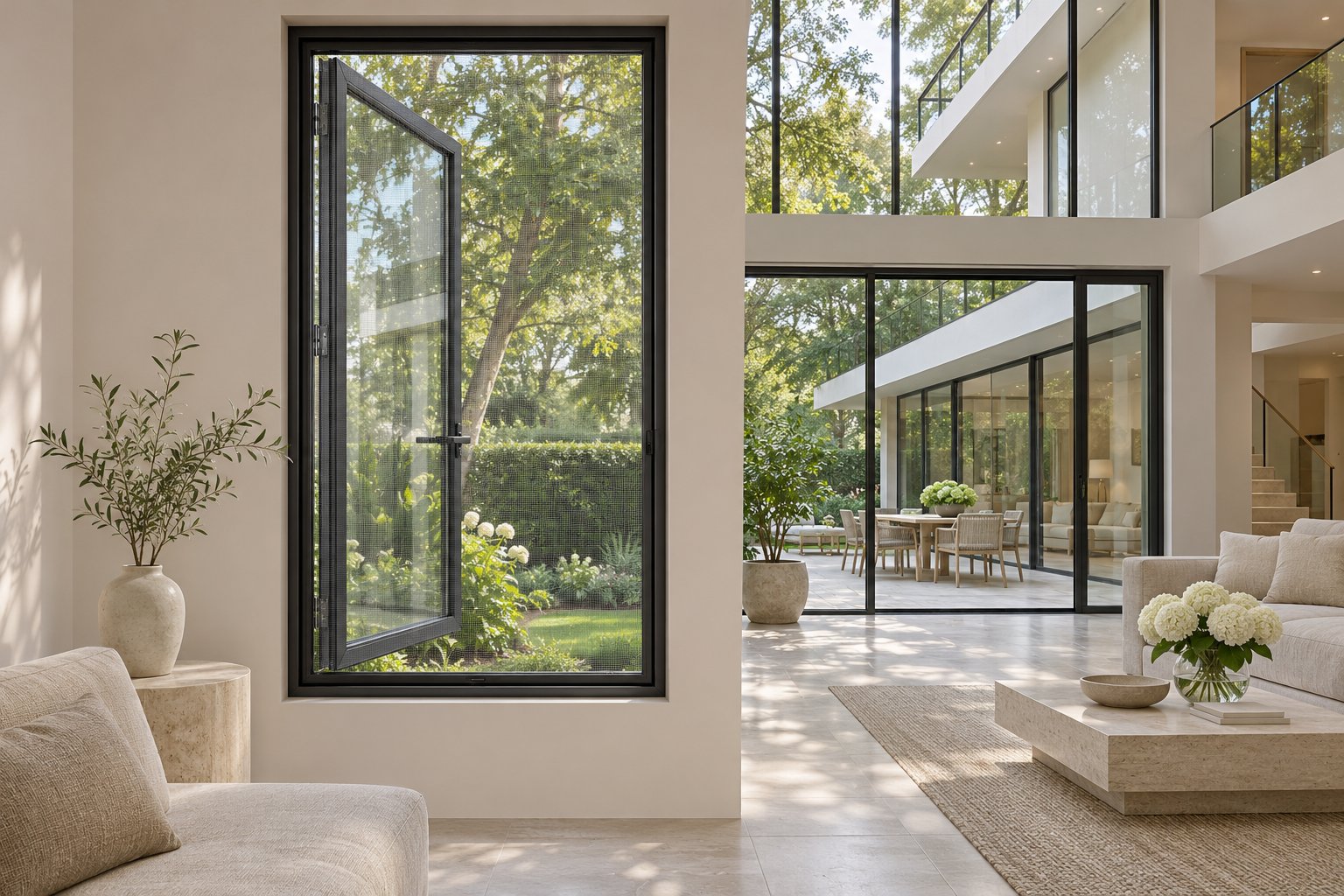
Draw back the curtain on a crank out casement and the flyscreen is right there, close enough to touch. It sits there for a reason, and that position changes how you remove it, measure it and look after it.
Why Casement Window Screens Mount on the Inside
The sash swings outward. A screen fixed to the outside of the frame would sit in its path, so casement window screens go on the room side, where the sash never travels. One installer's guide puts the rule simply: the screen goes on whichever side the sash doesn't swing. For the same reason, inswing casements carry their screens outside.
The crank operator sits on the interior sill below or beside the screen, so you can open and close the sash without touching the mesh. Every screen also comes out from indoors, including the ones in an upstairs bedroom of a double-storey home, so you never need a ladder to clean them. The downside is that the mesh sits at elbow height, next to blinds, pets and children. Most screen damage happens from inside the room.
How to Remove Screens for Crank Out Windows
Screens are usually held in by spring plungers (small spring-loaded pins on the sides of the screen frame), clips or springs hidden in the top rail, turn buttons on the window frame, or pull tabs on one edge. A careful sequence looks like this:
- Close and lock the sash. The screen comes out into the room, so the window can stay shut. A few models give more clearance with the sash cracked open.
- Find every retention point before you pull.
- Release them evenly. Freeing one plunger and levering the other side out is how frames get kinked.
- Hold the frame, never the mesh. Tilt the screen toward you and lift it out. If springs sit in the top rail, push the screen up to compress them first, then swing the bottom out.
If the screen won't budge, look for paint over the edge, a seized plunger or a bent clip. Don't pry it with a screwdriver, because a bent aluminium rail rarely comes back straight. Methods differ by manufacturer, so follow the original documentation if you have it.
Measuring a Casement Window Screen Opening, Including Out-of-Square Frames
Old screens can be warped or wrongly sized, so measure the opening itself. Use a metal tape and record everything in millimetres.
- Measure the width at the top, middle and bottom.
- Measure the height at the left, centre and right.
- Measure both diagonals, corner to corner.
- Record the smallest width and the smallest height.
- If the old screen is intact, measure its frame as a second reference. Note where its plungers or clips sit relative to the corners.
Equal diagonals mean the opening is square. If they differ, the frame is out of square, which is common in older homes that have settled. Give the screen supplier both sets of figures, plus photos of the retention hardware, and ask how they handle the difference.
Crank Windows With Screens and Everyday Care
Clean the mesh twice a year: in spring before mosquito season, and in autumn after the pollen. Lay the screen flat, wash it gently with low-pressure water, mild soap and a soft brush, and let it dry fully before refitting. Label each screen by room. Screens that look identical can differ by a few millimetres.
To refit a screen, seat the fixed edge first and then let the plungers or springs engage. Press around the edges and give the frame a light tug. Check the corner near the operator closely, because a small gap there lets insects in around the crank. A flyscreen only keeps insects out. It won't stop a child falling through an open window, so a screen can't replace a window restrictor.
Once the screen is out, the operator, arm and sash track are in plain view. That makes it a good time to work out why a crank spins, grinds or won't pull the sash closed.
Troubleshooting Common Crank Out Window Problems
A crank out window usually gives you some warning before it fails. The handle gets stiff, or the sash stops a few millimetres short of the frame, or a draught shows up along one edge. Each of these symptoms comes from a specific part in the chain between the handle and the hinges. That means you can test the cheap parts before paying for the expensive ones.
Symptom-to-Cause Table for Crank Windows
Find your symptom and try the checks in the third column first. They cost little or nothing. Move to the last column only if those checks don't solve it.
| Symptom | Likely Causes | Check First (Cheapest) | Escalate To |
|---|---|---|---|
| Crank spins but the sash doesn't move | Loose set screw or worn spline teeth inside the handle; stripped operator gear; arm detached from the sash | Pull the handle off. If the shaft ridges are crisp, tighten the set screw or fit a new handle. | If the shaft turns but the arm doesn't, replace the operator. If the arm moves but the sash stays put, refit the arm in its bracket or track. |
| Crank is stiff or grinds | Debris in the track; dry gear or hinges; bent arm | Clear the sill track and hinge channels, then apply a silicone or dry PTFE spray to the hinges and track. | Straighten or replace a bent arm. Replace the operator if it still grinds after the hinges are clean. |
| Sash won't close fully | Obstruction; bunched weatherstrip; hinge out of adjustment; worn operator | Look for debris. Push any loose weatherstrip back into its groove. | Adjust or replace the hinges, then replace the operator if needed. |
| Lock won't engage | Sash not fully closed; keeper misaligned; broken lock | Crank the sash fully home. Loosen the keeper screws and shift the keeper slightly. | Replace the lock or keeper. |
| Sash drags or sags | Loose hinge screws; worn hinges; debris in the hinge track | Tighten the hinge screws and clean the track. | Replace the hinges. If the screws spin in damaged timber, repair the frame first. |
| Draughts with the window closed | Lock not engaged; worn weatherstrip; hinges need adjustment | Lock the window and test again. | Replace the weatherstrip with a matching profile, or adjust the hinges. |
People often mix up the first two rows. A handle that spins freely means a part has stopped gripping. A handle that is hard to turn but still moves the sash means the gears work and something is causing friction. One Toronto installer names over-cranking a window that is already shut as the main way gears get stripped. A stripped gear can't be repaired. The same installer warns against oil-based sprays, which collect grit, and recommends leaving the sealed gearbox alone.
Weather Stripping Crank Windows to Stop Draughts
Open the sash and run your fingers around the seal. Look for these faults:
- Gaps at the corners, where the strip has shrunk or crept out of its groove
- Flattened sections that don't spring back
- Tears, splits, or strips that have hardened or been painted over
To test the seal, close and lock the sash on a strip of paper. If the paper slides out easily at some point, the seal isn't touching the frame there. Seals on windows that get strong afternoon sun often harden first.
When weather stripping crank windows, match the original profile exactly. Bulb, pile and fin seals compress in different ways, and each one has to fit its groove. A strip that is too thick holds the sash off the frame, so the lock can't pull it in. A strip that is too thin leaves a gap. Take an offcut with you when you buy a replacement.
Finding Parts for Old Style Crank Out Windows
Hardware for old style crank out windows is often no longer made, so collect the details before you order:
- Disconnect the arm from the sash and unscrew the operator. You may need to lift a sill cover first.
- Note the handing (left or right), the arm type (single, dual or split-arm), and the arm length measured between the same points the supplier uses.
- Record how many mounting holes there are and how far apart they sit.
- Photograph any stamped numbers or names, plus a wide shot of the whole window.
A hardware supplier's guide warns that operators that look alike are not always interchangeable. It also says not to identify an operator by its handle or cover, because those parts may have been replaced in the past. Drilling new mounting holes won't fix an operator with the wrong arm geometry.
If the original part is no longer made, try window salvage yards and specialist hardware suppliers, which can compare your photos with their stock. Universal-fit operators are another option, but check the arm geometry and hole pattern against the old operator before you buy.
Every casement owner deals with worn hardware and tired seals eventually. Before deciding whether these windows suit a particular room, it helps to weigh their real advantages against those running costs.
Honest Pros and Cons of Crank Out Casements
Brochures tend to list only the advantages of casements. Owners usually find the drawbacks after a couple of summers. You need both sides to decide whether to keep these windows, repair them or add more.
Advantages of Casement Windows
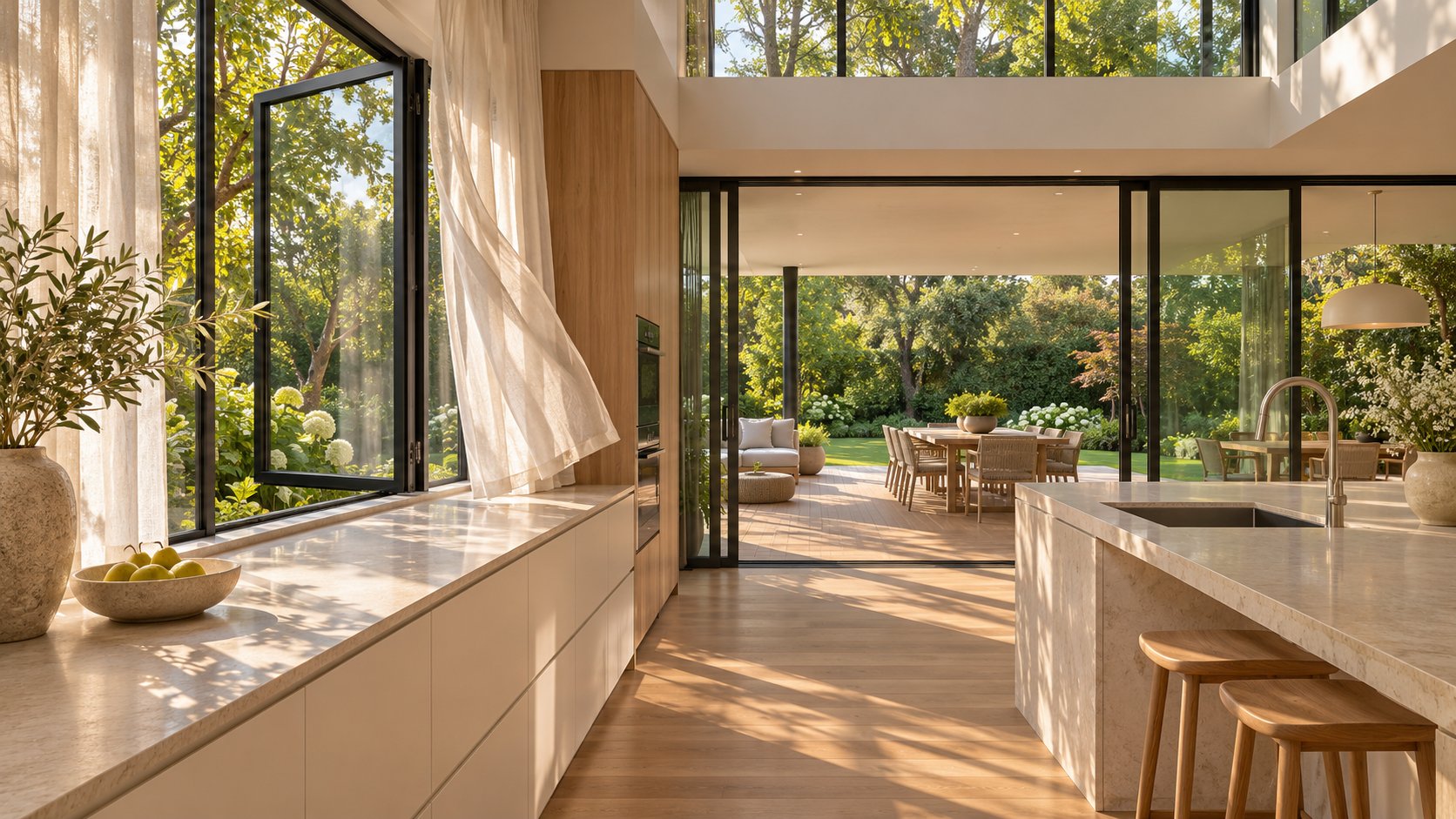
- Full-height ventilation. The whole sash swings clear, so the entire opening lets air through. On a sliding window, only one panel opens.
- Side breezes. An open sash stands out from the wall and can turn a breeze moving along the house into the room.
- A tight seal when locked. The lock pulls the sash hard against the weatherstrip, which is why window comparison guides describe casements as sealing tightly.
- Uninterrupted glass. No meeting rail crosses the view.
- Easy reach. You can turn the crank over a kitchen bench, where pushing up a sliding sash would be awkward.
Claims about energy efficiency come with a condition. The seal only helps while the weatherstrip is in good shape, and real performance also depends on the glazing and the frame. A single-glazed sash in an aluminium frame without a thermal break loses much of that advantage. To compare models, ask for the WERS rating of the exact frame and glazing combination you're considering.
Drawbacks Owners Discover Later
- Swing clearance outside. An open sash can get in the way of paths, decks and garden beds. Beside a walkway, it sits at head height.
- Hardware wear. Gears, arms and hinges are moving parts, and the crank mechanism is a known weak point.
- Handles that block blinds. Fixed handles get in the way of blinds and shades. Folding handles don't.
- Wind and rain. An open sash catches gusts, and over time that strains the hinges. This matters most on exposed coastal sites and in afternoon summer storms.
Window Coverings for Casement Windows
The crank handle sticks out from the operator cover. A roller blind or venetian fitted inside the window reveal can hit the handle before it reaches the sill. Folding nesting handles fix most of these clashes. If your handles don't fold, measure how far they stick out and either choose a covering that leaves that much depth or face-fix the blind above the reveal. Keep blind cords and chains clear of the crank as well.
Casement Window Air Conditioner Unit Options
A standard window air conditioner rarely fits a casement. These units are designed for sashes that slide vertically, where the sash closes down onto the unit and holds it in place. A casement sash swings outward, so nothing presses the unit into position. Portable units have the same problem. One home improvement tester found that the vent panels supplied with portable units depend on a sliding sash to hold them, and that the whole casement opening has to be covered.
When choosing an air conditioner for casement windows, most people pick one of these:
- A casement window air conditioner unit made for casement or slider openings, usually supplied with a panel that fills the opening
- A portable AC casement window setup, where a rigid, water-resistant panel with a hole for the exhaust hose sits in the flyscreen position
- Cooling that doesn't use the window at all, such as a split system or ceiling fans
The portable option has costs of its own. The sash stays open, the flyscreen comes out, and the panel needs sealing against insects and rain.
Are Crank Windows Secure?
Security depends mostly on the lock design and the frame. A locked casement sash is pulled tight against the frame, which leaves little edge for a pry bar. That makes it harder to force open than a sash with loose hardware. Some designs offer multiple locking points, which hold the sash at more than one place along its edge. A worn keeper or a weak frame cancels out those benefits, so check both.
Most of these drawbacks come from hardware that wears out and can be replaced. At some point, though, the wear is bad enough that replacing the whole window makes more sense than another repair.
Repair or Replace, and What Drives Casement Window Cost
One stubborn crank can be enough to bring a quote for new windows. Before you accept it, find out what has actually failed. Most crank problems come from the handle, operator, hinges or weatherstrip, and you can swap those parts while the frame and glass stay where they are. Family Handyman says owners can fix most casement problems themselves for a fraction of the cost of new windows, and that each window takes an hour or two.
When to Repair Instead of Ordering Replacement Casement Windows
Work through these questions in order:
- Is the frame sound? Look for rot in timber, corrosion on aluminium or steel, and frames that have twisted out of square. Press a screwdriver into timber sills to find soft spots.
- Is the glass intact? Check for cracks. On double glazing, also look for fog or haze between the panes, which means the sealed glass unit has failed. A glazier can often replace just that unit and keep the frame.
- Does the window seal when it's locked? Use the paper test from the troubleshooting section. If the sash and weatherstrip seal with the lock engaged, the window still does its main job.
- Can you still get parts? Check the original supplier, specialist hardware suppliers and salvage yards. Bring the measurements and photos described earlier.
If you answered yes to most of these, repair the window. If the frame has failed, or the parts are discontinued and nothing compatible fits, it's time to look at replacement casement windows.
Fix the hardware while the frame and glass are good. Replace the window when the structure is the problem.
What Drives Casement Window Cost
The total depends on which part failed and who fits it:
- The part. A handle costs least and an operator costs more. Hinges often mean taking the sash out, which adds time.
- DIY or a service call. Doing the job yourself saves labour. A tradesperson adds a callout fee, but that can be money well spent on an upper-storey sash.
- Time spent finding parts. On a discontinued window, tracking down a compatible operator can take longer than fitting it.
- Glass unit or whole window. Replacing a fogged sealed unit usually costs well below a new window in the same opening.
- A full replacement casement window. Frame material, size, glazing, hardware and installation complexity set the price. Access to upper floors, BAL requirements in bushfire-prone areas and council approval in heritage areas can add to it.
US cost data from Angi shows how big the gap can be. There, hardware replacement costs about a quarter or less of the average price of a new casement window. Australian labour and material costs are different, so use that as a rough ratio, not a price guide. For local figures, ask for itemised quotes that list parts, labour, and removal and disposal as separate lines.
Questions to Ask Before Paying for a Replacement
- Can the existing frame stay, with only the sash, glass unit or hardware replaced?
- Which parts did you find had failed, and how did you test them?
- Is there a repair option, and how does its cost compare with replacement?
Sometimes the answers still point to replacement. In that case, you also need to decide how the new window is built. The sash arrangement and frame material affect how a new casement looks, how well it seals and how it wears over the years.
Double, French and Other Casement Configurations and Frame Materials Compared
Buying a new casement means making two decisions that are easy to mix up. The first is how many sashes go in the opening and how they meet. The second is what the frame is made of. Each choice affects how the window looks and seals, and which parts will wear out first.
Single, Double, Triple, and French Casement Windows
- Single casement. One sash is hinged on the left or right, with one operator and one lock. It has the simplest seal and the fewest moving parts.
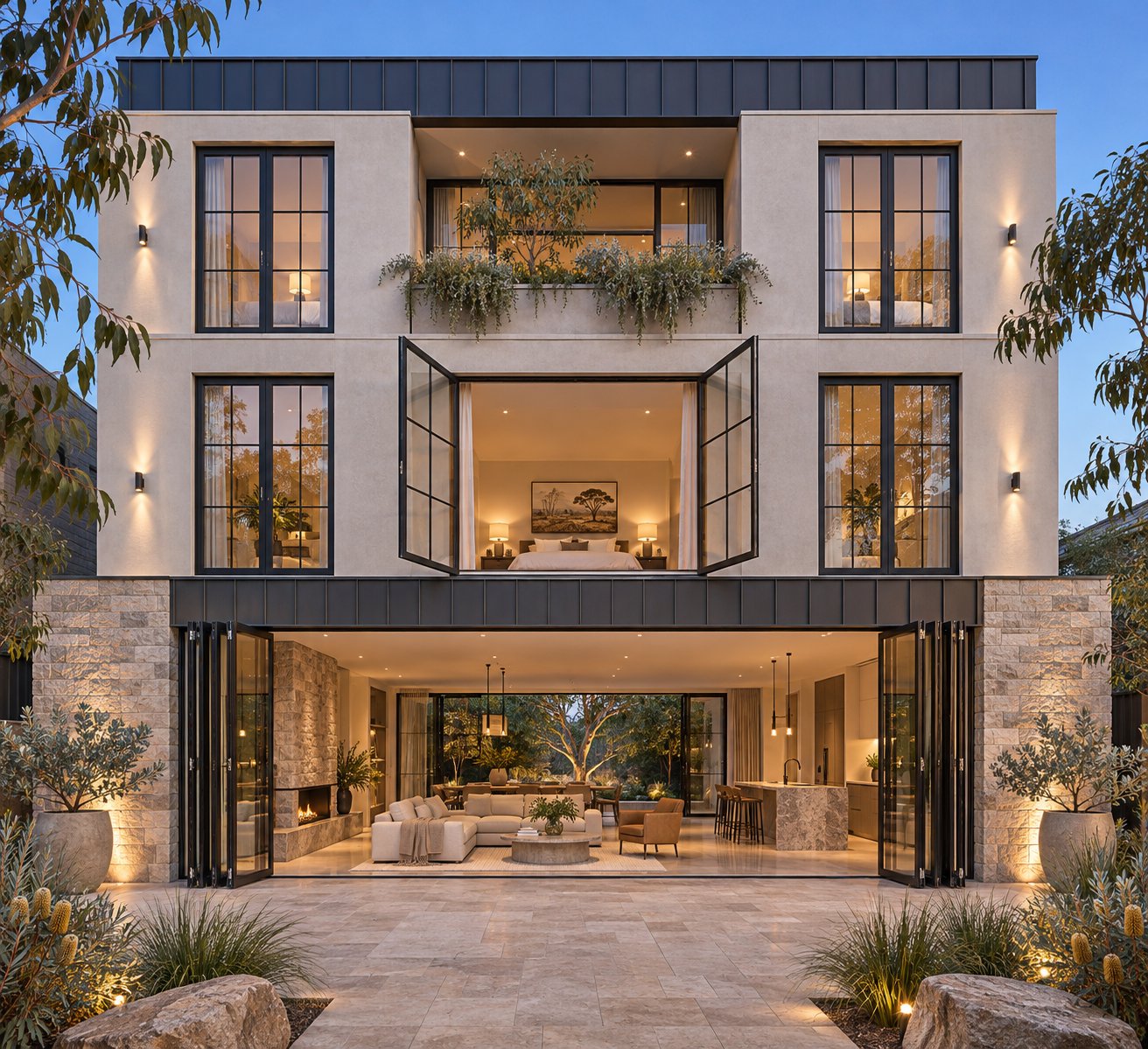
- Double casement windows. Two sashes sit side by side. They are often hinged on the outer edges, so they open from the middle like a pair of shutters. A fixed centre post usually sits between them, and each sash closes and locks against it.
- Triple casement windows. Three sashes share one frame. Some or all of them open, and each opening sash has its own operator.
- French casement windows. Two sashes meet with no centre post, so the full width opens. One sash usually carries a flying mullion that interlocks with the other sash when both are closed. That meeting joint needs good gaskets to keep water out as well as a single sash does.
Double casement describes the sash arrangement. Double glazing describes the glass assembly. They are separate choices and are not interchangeable.
Aluminium Casement Windows Compared With Other Frame Materials
The frame is only part of a window's thermal performance. A contractor's guide points out that the glass usually affects heat loss more than the frame material does. When you compare aluminium casement windows with the alternatives, judge the frames on strength, upkeep and suitability for your climate, and judge the glazing separately.
| Frame Material | Strengths | Limitations | Points to Confirm |
|---|---|---|---|
| Aluminium | Strong and slim, so more of the opening is glass. Takes powder-coat finishes. The MEICHEN aluminium window collection, designed for Australian projects, is one example. Its casements are side-hinged and crank-operated, and the collection also includes sliding, awning and fixed systems. | Aluminium conducts heat, so a frame without a thermal break loses more heat in winter and lets more in during summer. It can corrode in salty coastal air unless it has a suitable finish. | Whether the frame has a thermal break, whether the finish suits coastal exposure, and the WERS rating for the exact frame and glass combination. With MEICHEN, paired, French-style, oversized and replacement configurations have to be confirmed for each project. |
| Vinyl (uPVC) | Plastic is a good insulator. Vinyl casement windows need little upkeep and come in many colours. | Frames are usually thicker, so less glass shows. Long periods of high heat can warp vinyl. | How well the frame resists UV in your climate, and whether replacement hardware is available. |
| Timber | Traditional look, natural insulator, and can be repainted. | Needs more upkeep than the other materials. It can rot if the paint or sealant fails. | Timber species, finish, maintenance schedule, and BAL suitability in bushfire-prone areas. |
| Fibreglass | Insulates well without needing extra design features. | Needs repainting from time to time, and colour choices can be narrower. It may also be harder to source locally. | Who supplies it locally, and what spare parts support is offered. |
| Steel | Very slim sightlines and welded construction give a strong heritage or industrial look. | Costs far more than aluminium, has longer lead times, and is less thermally efficient than insulated aluminium profiles. | Thermal performance with your chosen glass, the corrosion-protection coating, and the lead time. |
Steel Casement Windows and Steel-Look Alternatives
Many people want the look of slim black steel but not steel's price or wait. In an aluminium window, that look comes from the profile geometry, the sightlines and the glazing-bar detailing. A steel-look comparison from one supplier notes that cheaper versions use standard profiles with stick-on bars, which don't match the proportions of real steel windows.
A black finish alone doesn't produce a steel look. A dark finish such as Black Mall changes the colour of the frame, not its shape. Before you order, ask the supplier for profile drawings that show the frame and sash depths, sightlines and bar widths, and compare them with the look you want. For steel-look profiles and for windows meant for industrial-duty use, get confirmation that the system suits your specific project.
Frame choice also affects how large each sash can be. A bigger sash with heavier glass puts more load on the hinges and operator, and that load sets the size limits for each system.
Planning New Crank Out Casement Windows for Your Project
Most of the problems covered in this guide go back to choices made before the window was built. The sash size, hinge, handle and lock all decide how a casement behaves years later. If you get them right when you order, you avoid most of the repairs described in earlier sections.
Casement Window Sizes and Large Casement Windows
No single chart of casement window sizes applies to every manufacturer. Each one sets its own range for each window system, and you can't choose width and height separately. A width offered at one height may not be offered at another. One aluminium window maker's sizing guide treats the overall frame size and the size of each opening sash as separate checks. The reason is that the hinges and operator carry only the moving sash, not the whole frame.
This matters most for large casement windows. A wider or taller sash with heavier glass, such as a double-glazed unit, puts more load on the hinges, the operator and the lock. If an opening is too big for one sash, divide it. You could fit an opening sash beside a fixed pane, or put two sashes either side of a fixed centre panel. Ask the supplier for the maximum sash size of the system you're considering, with your chosen glass fitted.
A Pre-Order Checklist for Custom Casement Windows
- Measure the opening and check it for square. Take three widths, three heights and both diagonals. Label each figure as either the opening size or the frame size.
- Confirm the exterior swing clearance. Check for paths, decks, garden beds and downpipes in the path of the open sash.
- Choose the hinge side (handing). Pick the side that keeps the open sash clear of walkways and lets it catch the usual breeze.
- Choose the operator and handle type. Specify folding nesting handles if blinds or shades will be fitted.
- Choose the hinge type. Fit egress hinges where an exit opening is required. Fit wash-mode hinges on glass you can't reach from outside, such as upper-storey windows.
- Choose the screen. Confirm that it mounts on the inside and sits clear of the operator.
- Choose the glazing. Single or double glazing is a separate decision from the sash arrangement. Ask for the WERS rating of the exact frame and glass combination.
- Choose the hardware and frame finish. On coastal sites, choose a finish rated for salt air.
- Ask what parts support the supplier offers. Find out whether you'll be able to buy spare handles, operators, hinges and weatherstrip in future, and record the system name and series.
Australian homeowners, architects, builders and procurement teams can take this checklist to MEICHEN's aluminium window collection. There you can compare casements with sliding, awning and fixed systems, and coordinate custom sizing, opening layouts, glazing, hardware and finishes such as Black Mall. Before you order, confirm with the supplier that your sash configuration, any oversized sash, the replacement fit and the glazing all work for your project.
What the Best Casement Windows Have in Common
The best casement windows are the ones that suit the opening they go in. That matters more than brand or price. Look for:
- Hinges and an operator rated for the sash size and glass weight
- A lock that pulls the sash firmly against the weatherstrip
- Spare parts you can still buy years from now
- A configuration that suits the room, such as an egress opening in a bedroom, folding handles behind blinds or wash-mode hinges upstairs
- Compliance with Australian Standards, including AS 2047 for the window and AS 1288 for the glass
A casement chosen this way can usually be kept going with a new handle or seal when the hardware wears, rather than a new window.
Crank Out Casement Windows: Common Questions Answered
1. Why does my casement window crank spin without opening the window?
A handle that turns freely means one part in the drive chain has stopped gripping. Start with the cheapest check. Loosen the set screw, slide the handle off and look at the ridges on the shaft and inside the handle. If the ridges look sharp, tightening the screw or fitting a new handle with the same spline and handing usually fixes it. If the shaft turns but the operator arm stays still, the gear inside the housing has stripped. A stripped gear can't be repaired, so the whole operator has to be replaced. If the arm moves but the sash doesn't, the arm has come out of its bracket or track under the sash and only needs to be reconnected. To stop the gears stripping again, don't keep cranking once the sash is shut, and never crank while the lock is engaged.
2. Can you fit an air conditioner to a crank out casement window?
A standard window air conditioner is a poor match for a casement. It needs a sash that slides down and clamps it in place, and a casement sash swings outward instead. Most Australian households pick one of three options. The first is a unit built for casement or slider openings, which normally comes with a panel that fills the gap. The second is a portable unit with a rigid, water-resistant panel cut for the exhaust hose and fitted where the flyscreen normally sits. The third is cooling that doesn't use the window at all, such as a split system or ceiling fans. With a portable unit, the sash stays open and the flyscreen comes out, so seal the panel edges well enough to keep insects and rain out.
3. Is it cheaper to repair or replace crank out casement windows?
Repair is usually the cheaper option when the window's structure is still sound. Ask four questions. Is the frame free of rot, corrosion and twisting? Is the glass intact, with no fogging between double-glazed panes? Does the sash seal when it's locked? Can you still get compatible parts? If most answers are yes, a new handle, operator, hinge or weatherstrip will usually get the window working again. A fogged sealed glass unit can often be replaced while the frame stays in place. Replacing the whole window makes sense when the frame has failed or no compatible hardware exists. If a tradesperson recommends replacement, ask them which parts failed and how they tested them. Ask for an itemised quote that lists parts, labour, and removal and disposal separately.
4. Can a crank out casement window be used as an emergency exit in Australia?
It can, but the window style alone doesn't decide it. What counts is the clear opening a person can actually climb through when the sash is fully open, along with how high the sill sits above the floor. Egress hinges let the sash swing further clear of the frame, so the usable opening is larger. Upper-storey bedroom windows may also fall under National Construction Code (NCC) fall-prevention limits on how far they can open. A restrictor that needs a key or tool to release makes a poor escape route. Before you order, ask the supplier for the clear-opening figure for the exact model and hinge. Then confirm the requirements for that room with your local council or a registered building surveyor.
5. What should I check before ordering custom aluminium casement windows?
Measure the opening for square first, then check how much room the open sash needs outside, near paths, decks and garden beds. Choose the hinge side, the hinge type (egress, wash-mode or standard) and the handle style. Folding handles suit windows that will have blinds. Choose the glazing as a separate decision from the sash arrangement, because double casement windows and double glazing are different things. Ask whether the frame has a thermal break, whether the finish suits salt air on coastal sites, what the WERS rating is for the exact frame and glass combination, and what BAL requirements apply in bushfire-prone areas. Confirm the maximum sash size with your chosen glass fitted. Also ask whether spare parts will still be available in future. MEICHEN's aluminium window collection lets Australian buyers compare side-hinged, crank-operated casements with sliding, awning and fixed systems, with custom sizing and finishes such as Black Mall. Paired, French-style, oversized, steel-look and replacement configurations still need confirmation for your specific project.