
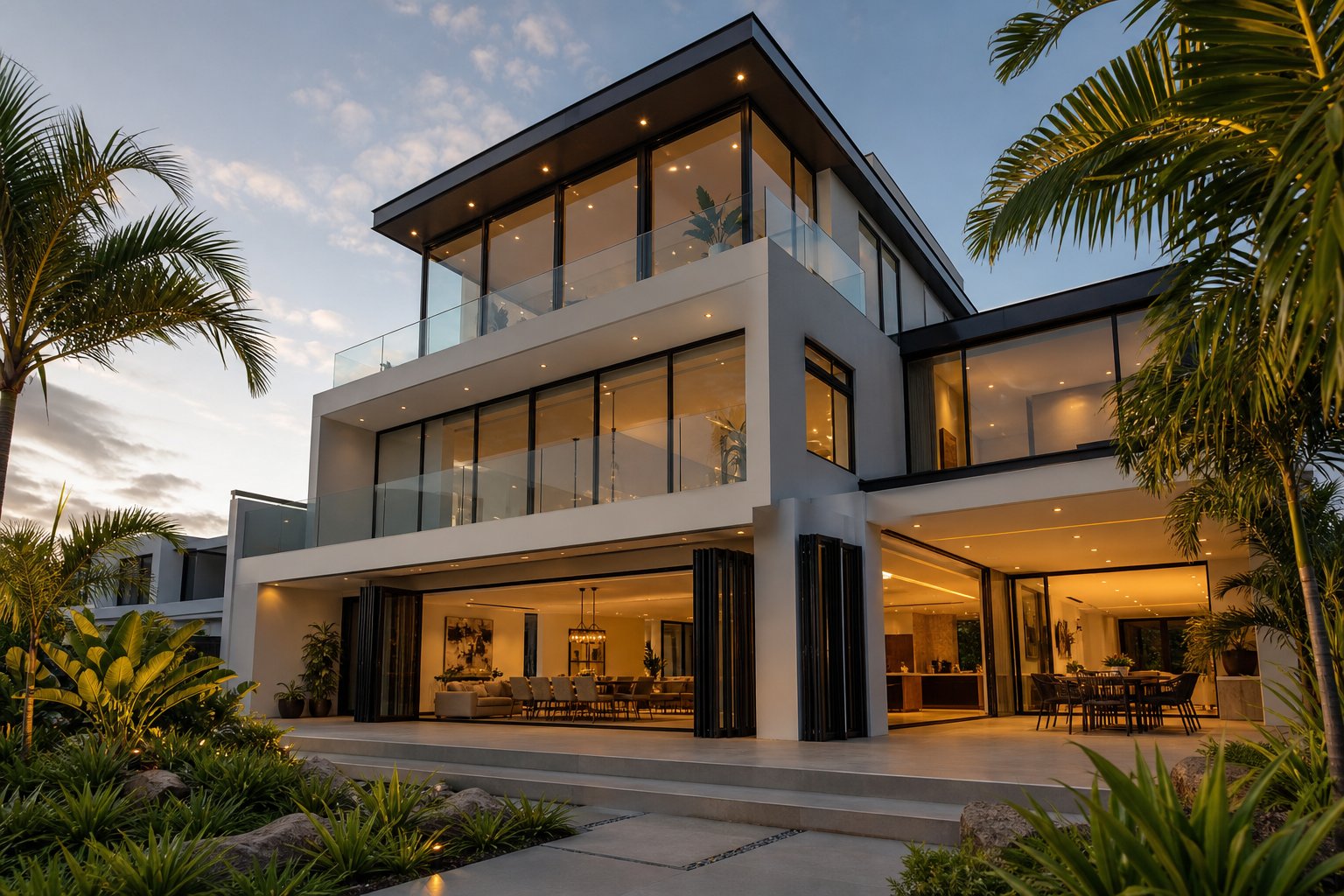
What Aluminium Door Window Fabricators Actually Do
Aluminium door window fabricators are specialist tradespeople who take extruded aluminium profiles and transform them into finished window and door units ready for site installation. Their work sits between raw material production and on-site fitting: interpreting architectural drawings, cutting profiles to project-specific dimensions, machining drainage and hardware points, assembling frames, installing glazing, and preparing completed units for delivery. Think of fabrication as a craft-and-service discipline rather than a product you pull off a shelf.
That distinction matters more than most people realise, because the quality of your aluminium windows and doors depends heavily on who fabricates them and how much control they exercise over the assembly process.
What Fabricators Do vs Manufacturers and Installers
Three distinct roles exist in the aluminium door window supply chain, and confusing them leads to misaligned expectations, communication breakdowns, and project delays. Here is how they differ:
- System manufacturer (or system supplier): Designs and produces the aluminium profile systems, gaskets, and componentry. They create the "recipe" but do not assemble finished products for your specific project. Aluminium window manufacturers supply their systems to licensed fabricators across the country.
- Fabricator: Purchases profiles and components from a system supplier, then cuts, machines, and assembles them into completed window and door units built to your project's exact specifications. Quality can vary between fabricators using the same system, because machinery, skill, and quality control processes differ.
- Installer (or trade partner): Receives finished units from the fabricator and fits them on site. Aluminium window installers handle waterproofing, flashing, and final commissioning but typically have no involvement in manufacturing the product itself.
Some companies span two or all three roles, but understanding where each responsibility starts and ends helps you ask sharper questions and hold the right party accountable.
When You Need a Dedicated Fabricator
Off-the-shelf aluminium doors and windows suit straightforward replacements in standard openings. A dedicated fabricator becomes essential when your project involves non-standard dimensions, architectural glazing with slim sightlines, multi-unit residential developments requiring bulk quantities and staged deliveries, or any scenario demanding engineering coordination that goes beyond catalogue products. If your builder or architect is working from bespoke drawings rather than a product brochure, a specialist fabricator is the partner who turns those drawings into physical reality.
Residential and Commercial Fabrication Differences
A fabricator assembling windows for a single-storey home in suburban Melbourne operates under a completely different set of pressures than one producing units for a 20-storey mixed-use tower in Sydney's CBD. The profiles might come from the same system supplier, but the engineering input, testing documentation, and coordination effort required at each end of the spectrum are worlds apart. Understanding where your project sits on this continuum helps you brief fabricators accurately and avoid paying for capability you do not need, or worse, specifying below what the project demands.
Residential Fabrication Requirements
For houses, townhouses, and low-rise apartment buildings, residential aluminum windows typically prioritise aesthetics, energy performance, and cost efficiency over extreme structural ratings. A homeowner renovating a weatherboard cottage or a builder delivering a batch of duplexes generally needs:
- Standard and custom openings: Most residential work involves common configurations (sliding, awning, casement, fixed) in dimensions that fall within standard profile capabilities. Custom sizes are routine but rarely push structural limits.
- Energy ratings: Compliance with NatHERS targets and WERS star ratings drives glass selection and thermal break specification. In climate zones 6 and 7, thermally broken frames with low-E double glazing are increasingly standard rather than optional.
- Aesthetic finishes: Homeowners care deeply about colour, profile slimness, and how the frames complement their facade. Residential aluminum window manufacturers often field more questions about matt black versus charcoal than about wind load calculations.
- Bushfire ratings: Properties in BAL-rated zones need frames and glazing assemblies tested to AS 3959. This adds complexity to fabrication, particularly at BAL-40 and BAL-FZ levels where specific hardware and sealing details apply.
- Lead time and communication expectations: Homeowners expect regular updates and relatively short turnaround. A typical residential order might run four to six weeks from measurement to delivery, depending on finish and glass specification.
Metal windows residential projects demand are generally less about engineering documentation and more about getting the details right visually and thermally, then delivering on time without surprises.
Commercial and Multi-Unit Project Demands
Step into commercial aluminium windows territory and the complexity multiplies. A hotel facade, a hospital wing, or a multi-storey apartment development introduces requirements that residential projects rarely encounter. Fabricators serving this market need deeper engineering capability, more rigorous quality systems, and the logistics infrastructure to manage staged production runs.
Key differences include:
- Structural engineering sign-off: Commercial aluminum windows must satisfy specific wind load ratings verified through testing to AS 2047 and referenced in structural engineering calculations. Upper floors of tall buildings face significantly higher design wind pressures than ground-level residential openings.
- Facade integration: Windows often form part of a broader facade system, requiring coordination with cladding, waterproofing membranes, and structural brackets. The fabricator needs to understand how their units interface with adjacent trades.
- Acoustic performance: Urban commercial buildings, hotels, and apartments near transport corridors require documented acoustic ratings, which influence glass thickness, air gaps, and seal design.
- Fire ratings: Certain locations within commercial buildings require fire-rated window assemblies, adding another layer of compliance documentation.
- Bulk quantities and staged deliveries: A 150-unit apartment project cannot receive all windows at once. Fabricators must manufacture in phases aligned with construction progress, coordinating delivery windows with the principal contractor's programme.
The table below summarises how aluminum residential windows projects compare against commercial work across the dimensions that matter most when selecting a fabricator:
| Dimension | Residential | Commercial / Multi-Unit |
|---|---|---|
| Typical order size | 5 to 30 units | 50 to 500+ units |
| Engineering involvement | Minimal; standard calculations | Project-specific structural engineering |
| Testing standards | AS 2047 compliance (standard ratings) | AS 2047 with project-specific wind load testing, acoustic and fire certification |
| Lead time range | 4 to 8 weeks | 8 to 20+ weeks (phased) |
| Coordination complexity | Direct with homeowner or builder | Multiple stakeholders: architect, engineer, principal contractor, project manager |
Some fabricators handle both ends of this spectrum comfortably. Others specialise. Knowing which category your project falls into, and confirming your chosen fabricator has a track record in that space, prevents the kind of mismatch where a residential-focused workshop struggles with commercial documentation requirements, or a large commercial operation treats a single home renovation as an afterthought.
The gap between these two worlds also shows up in how materials perform once installed, which raises a practical question: is aluminium actually the right frame material for your specific project type and environment?
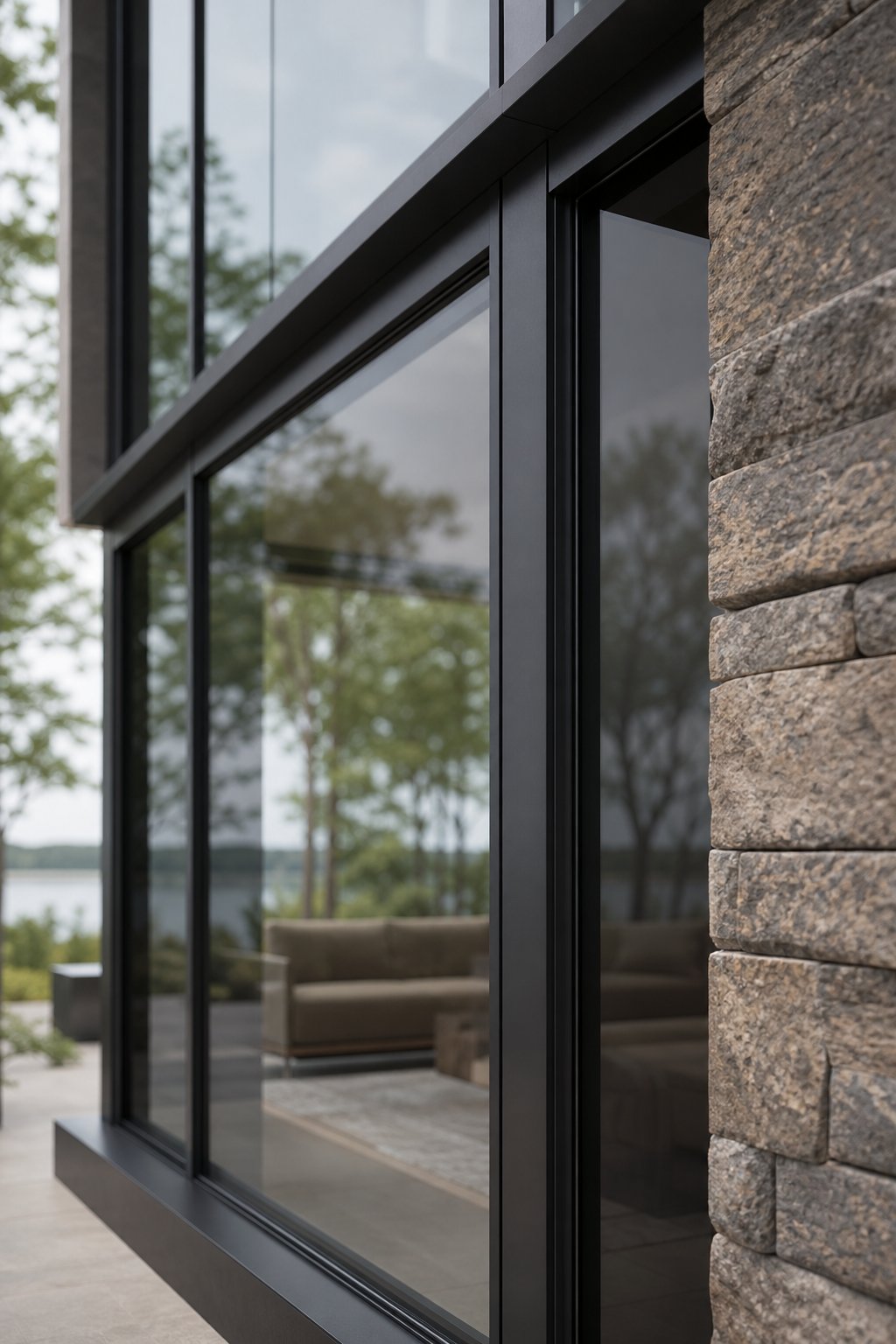
Aluminium Compared to Other Frame Materials
Before you commit to a fabricator, it pays to confirm that aluminium is genuinely the right frame material for your situation. Five options dominate the Australian market: aluminium (thermally broken), uPVC, timber, steel, and fibreglass. Each carries trade-offs across durability, thermal efficiency, maintenance burden, and design flexibility. A clear comparison removes guesswork and ensures you are briefing your fabricator on the correct system from day one.
How Aluminium Frames Compare on Performance
The table below sets aluminium window frames against the four alternatives across the metrics that matter most in Australian conditions, from coastal salt exposure to NatHERS compliance targets.
| Metric | Aluminium (Thermally Broken) | uPVC | Timber | Steel | Fibreglass |
|---|---|---|---|---|---|
| Durability rating | High; corrosion-resistant | Moderate; can become brittle in extreme UV | Moderate; vulnerable to moisture and insects | High; requires corrosion protection | Very high; dimensionally stable |
| Thermal conductivity (U-value, W/m²K) | 0.8 – 2.0 | 0.7 – 1.5 | 1.0 – 2.0 | 1.5 – 2.5 | 0.8 – 1.5 |
| Maintenance frequency | Minimal; periodic cleaning | Low; occasional seal checks | High; refinishing every 3–7 years | Moderate; recoating required | Minimal; periodic cleaning |
| Expected lifespan | 40 – 60 years | 25 – 40 years | 30 – 50 years (with maintenance) | 50+ years | 50+ years |
| Recyclability | Fully recyclable, infinite cycles | Limited; recycling infrastructure developing | Biodegradable; reusable | Fully recyclable | Difficult to recycle |
| Maximum span width | Very large; slim sightlines achievable | Limited; bulky profiles needed for strength | Moderate; constrained by moisture risk | Very large; ultra-narrow profiles | Large; good strength-to-weight |
| Colour and finish options | Virtually unlimited (powder coat, anodise, sublimation) | Moderate; foil wraps and co-extrusion | Unlimited (paint or stain) | Limited; typically painted | Moderate; factory-applied paint |
A few points stand out. Thermally broken aluminum windows have closed the energy-efficiency gap that once made uPVC the default choice for budget-conscious residential projects. Meanwhile, no other metal window frame material matches aluminium's combination of slim profiles, corrosion resistance, and colour versatility at a comparable weight.
When Aluminium Is the Strongest Choice
Certain project conditions make aluminium the clear winner:
- Large openings with slim sightlines: Floor-to-ceiling glazing, stacking sliders, and bi-fold doors demand structural strength without bulky frames. Aluminium delivers spans that uPVC simply cannot achieve without excessive reinforcement.
- Coastal environments: Properties exposed to salt air along Australia's coastline benefit from aluminium's natural oxide layer and powder-coated protection. Timber rots, steel corrodes faster, and uPVC can degrade under intense UV combined with salt.
- Commercial facades: Office towers, hotels, and retail frontages need structural performance at low weight, plus the ability to integrate with curtain wall systems. Aluminum frame windows handle high wind loads on upper storeys where lighter materials fall short.
- Extensive colour customisation: Projects requiring specific RAL colours, dual-colour frames (different inside and out), or wood-grain sublimation finishes find aluminium the most accommodating substrate.
- Sustainability goals: Aluminium's infinite recyclability and long service life align well with green building targets and lifecycle assessments.
That said, alternatives have their place. Timber remains the preferred choice for heritage restorations where council requirements mandate traditional aesthetics. uPVC suits budget-constrained residential projects in mild climates where maximum span widths are not a priority. Steel works beautifully for industrial-style interiors and heritage steel-look replacements, though at a higher price point and with greater maintenance demands.
For most contemporary Australian builds, particularly those involving custom dimensions, high-performance glazing, or demanding environmental exposure, aluminium windows offer the strongest balance of performance, longevity, and design freedom. Confirming that fit early means your fabricator can focus on execution rather than revisiting material decisions mid-project. And understanding what actually happens inside a fabrication facility helps you appreciate exactly what that execution involves.
Inside the Aluminium Fabrication Process
Most people commissioning aluminium windows never see the inside of a fabrication workshop. The finished product arrives on site looking clean and complete, but the journey from raw aluminium window profiles to an installed unit involves a precise sequence of machining, assembly, and inspection steps. Knowing what happens behind the factory door helps you understand what you are paying for and why quality varies so much between fabricators using identical profile systems.
From Aluminium Extrusion to Cut Profiles
Fabricators do not produce raw aluminium. They receive extruded aluminum window frame sections from system suppliers, typically in 6063-T5 or 6063-T6 alloy, already shaped into the complex cross-sections that form sashes, mullions, transoms, and outer frames. These aluminum window frame extrusions arrive in standard lengths, usually around 6.5 metres, and the fabricator's job begins with transforming them into project-specific components.
The first operation is cutting. CNC double-head mitre saws cut profiles to exact dimensions, typically at 45-degree angles for corner joints, with tolerances as tight as ±0.1 mm. Precision here is non-negotiable. A frame that is even slightly out of square will not seal properly, will bind during operation, and will fail water penetration testing.
After cutting, profiles move to CNC machining centres where drainage slots, hardware pockets, lock keeps, and hinge recesses are routed or milled into the aluminium window frame material. Every hole position corresponds to the engineering drawings for that specific unit. Drainage routing is particularly critical in Australian conditions: without correctly positioned weep slots, water trapped in the frame track has nowhere to go during heavy rain events. The profiles are then deburred to remove sharp edges before assembly.
Assembly, Glazing, and Quality Checks
With all profiles cut, machined, and prepped, the assembly sequence follows a consistent order. Each aluminum frame window moves through these stages:
- Corner crimping or mechanical joining: Cut profiles are brought together at 90-degree corners and joined using a hydraulic corner crimping machine. This forces a metal key or bracket into the profile junction, creating a rigid, square frame. Some aluminum window systems use screw-fixed corner cleats instead, depending on the profile design.
- Gasket and seal insertion: EPDM rubber gaskets are pressed into dedicated channels around the frame perimeter. These gaskets form the primary weather seal between the frame and glazing, and between sash and outer frame.
- Hardware installation: Hinges, locking mechanisms, handles, restrictors, and any friction stays are fitted to the assembled frame and sash components. Alignment is checked to ensure smooth operation across thousands of opening cycles.
- Glazing: Sealed insulated glass units (IGUs), whether double or triple glazed, are installed into the frame using glazing beads and compression gaskets. The glass must sit centrally with correct edge clearances to avoid stress cracking.
- Final quality inspection: Completed units are checked for square, correct dimensions, hardware function, seal integrity, and visual finish. Units that fail are reworked before leaving the factory.
Custom aluminium window framing projects differ from standard production runs in meaningful ways. Bespoke units often require project-specific engineering input, custom tooling setups on CNC machines, and longer lead times because each unit may have unique dimensions or performance requirements. A fabricator producing 200 identical units for an apartment block can optimise their workflow around repetition. A fabricator handling 15 different sizes across a custom home needs to reset machinery and verify dimensions for every piece.
This distinction in workflow complexity is one reason quotes vary so widely between fabricators, and it is also why the surface finish you specify can shift both cost and timeline significantly.
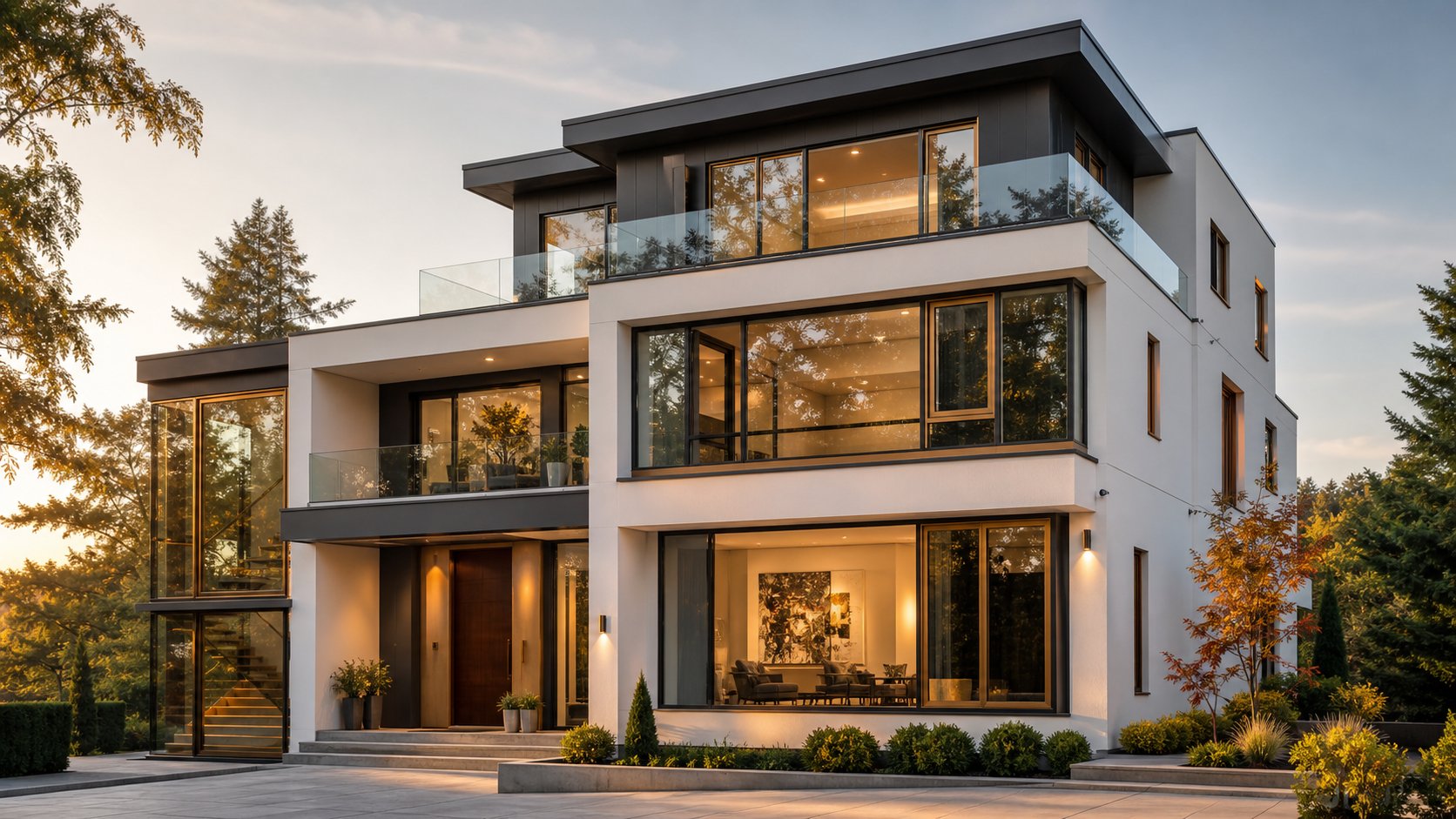
Finishing and Coating Options for Aluminium Frames
The finish on your aluminium frames is not just cosmetic. It determines how well the surface resists UV degradation, salt corrosion, and general weathering over decades of exposure. Three primary finishing methods dominate the Australian market, each with distinct performance characteristics and cost implications. Specifying the right one when briefing your fabricator avoids costly changes later and ensures your durable aluminium windows look as good in year twenty as they do on installation day.
Powder Coating, Anodising, and Sublimation Explained
Powder coating is the most common finish for modern aluminium windows in Australia. A dry powder is applied electrostatically to the aluminium surface, then cured in an oven at around 200°C to form a hard, uniform film. The result is a smooth, consistent colour that bonds mechanically and chemically to the substrate.
- Available in virtually unlimited RAL and custom colours
- Can be applied in matt, satin, or gloss textures
- Repairable and touchable-up on site if scratched
- Typical warranty: 10 years on finish integrity
- Susceptible to chalking over time in high-UV environments if lower-grade powders are used
Anodising takes a different approach entirely. The aluminium is submerged in an acidic electrolyte bath and an electrical current creates a thick oxide layer on the surface. This layer becomes part of the metal itself rather than sitting on top of it, producing a harder, more scratch-resistant finish than powder coating.
- Extremely durable and scratch-resistant
- Retains a natural metallic appearance with a matte sheen
- Limited colour range: typically silver, bronze, black, and champagne tones
- Cannot be easily touched up or repaired if damaged
- Excellent corrosion resistance for coastal properties
Bronze aluminium windows with an anodised finish are a classic choice for mid-century and contemporary facades where that warm metallic tone suits the architectural language. The trade-off is fewer colour options compared to powder coating.
Wood-grain sublimation uses a heat-transfer process to apply a photographic-quality timber pattern onto a powder-coated base layer. The aluminium profile is wrapped in a printed film, then placed in a vacuum oven where heat causes the ink to sublimate into the coating surface. The result mimics timber convincingly while retaining all the low-maintenance benefits of aluminium. This finish works particularly well for slimline aluminium windows where homeowners want a timber aesthetic without the ongoing refinishing burden.
- Realistic timber appearance from a distance and up close
- Requires a base powder coat layer first, adding process time
- Good UV resistance, though longevity depends on film quality
- Ideal for aluminum clad window applications where the exterior needs weather resistance and the interior needs warmth
- Higher cost and longer lead time than standard powder coating
Choosing Colours and Finishes for Your Project
Colour trends in the Australian market lean heavily toward darker tones. Black aluminum windows dominate contemporary builds, particularly in matt and satin finishes that reduce glare and fingerprint visibility. White aluminum windows remain popular for coastal homes, Hamptons-style builds, and projects where a lighter facade is desired. Monument, charcoal, and woodland grey sit in between, offering versatility across brick veneer, rendered, and clad exteriors.
Your finish choice directly affects lead time. Standard colours that fabricators stock regularly, such as matt black, pearl white, or monument, can ship within days of order. Custom RAL colours or dual-colour frames (different colour inside versus outside) require a dedicated coating run, which may add one to three weeks. Some coaters impose minimum order quantities for non-standard colours, typically around 50 to 100 lineal metres of profile, to justify the setup and colour-matching process.
When evaluating finish quality, two industry benchmarks matter. Qualicoat certification grades powder coatings into classes based on accelerated weathering performance, with Class 2 ("super durable") recommended for Australian conditions given our intense UV exposure. AAMA ratings follow a similar logic: AAMA 2603 covers standard coatings, AAMA 2604 applies to high-performance coatings with greater colour retention, and AAMA 2605 represents the highest tier for extreme exposure. Ask your fabricator which class their standard finish falls into. If they cannot answer, that tells you something about their quality control processes, which is exactly the kind of evaluation criterion worth exploring further.
How to Evaluate and Select an Aluminium Window Fabricator
A fabricator's coating class tells you something about their attention to detail. But finish quality is just one data point in a much broader evaluation. Choosing the wrong aluminium window suppliers costs more than the price difference between quotes. It shows up as failed water tests, blown delivery schedules, warranty disputes, and remediation work that dwarfs whatever you saved on the original order. The challenge is that most fabricators present well on paper. Separating genuine capability from polished marketing requires knowing what to verify and where to probe.
Certifications and Standards to Look For
Certifications do not guarantee a great product, but their absence in a fabricator targeting serious residential or commercial work is a meaningful red flag. These are the credentials worth checking before you shortlist any aluminium windows specialists:
- AS 2047 compliance: The non-negotiable Australian standard for windows and external glazed doors. It covers structural performance under wind load, water penetration resistance, and air infiltration. Every unit a fabricator produces must carry a performance label showing wind and water ratings in Pascals. If a fabricator cannot explain how they verify AS 2047 compliance, walk away.
- AS 1288 (Glass in Buildings): Governs safety glass selection and installation. Your fabricator should demonstrate they specify and install glazing in accordance with this standard, particularly for overhead, low-level, and high-traffic applications.
- ISO 9001 quality management: Indicates the fabricator operates a documented, independently audited quality system. It does not measure product quality directly, but it confirms that processes exist for catching defects before units leave the factory. Fabricators without ISO 9001 may still produce good work, but they are relying on individual diligence rather than systematic controls.
- Qualicoat certification (for finishes): Confirms the coating facility meets international standards for pre-treatment, powder application, and curing. Particularly important in Australian conditions where UV intensity degrades lower-grade coatings within a few years.
- AAMA ratings: While more common in North American markets, some Australian aluminium joinery fabricators reference AAMA 2604 or 2605 coating standards to signal premium finish durability. Useful as a benchmark when comparing finish warranties.
- AGWA membership: Members of the Australian Glass and Window Association have their products tested by NATA-accredited laboratories and typically offer structured warranty programmes.
- NCC compliance documentation: The fabricator should provide evidence that their products satisfy National Construction Code requirements for energy efficiency, structural adequacy, and weatherproofing relevant to your climate zone.
A common mistake is treating certifications as a simple pass/fail filter. They are better used as conversation starters. Ask the fabricator to explain what each certification means for your specific project. Their answer reveals whether compliance is embedded in their workflow or just a logo on their letterhead.
Practical Evaluation Criteria Beyond Certifications
Paperwork only tells half the story. The best window manufacturers and fabricators distinguish themselves through operational behaviours that no certificate can capture. These softer factors often predict project outcomes more reliably than any accreditation:
- Factory visit availability: A fabricator confident in their operation will invite you to see it. If they deflect or delay a site visit, ask yourself what they are not showing you. Walking a production floor reveals machinery condition, workshop organisation, and how carefully in-progress units are handled.
- Sample quality: Request a corner sample or a small finished unit. Examine the crimped corners for tightness, check gasket insertion for consistency, and test hardware operation. Physical samples expose assembly precision that photographs and brochures cannot.
- Communication responsiveness: How quickly and clearly a fabricator responds during the quoting stage is a reliable predictor of their behaviour once they hold your deposit. Vague or delayed answers at the inquiry stage almost always worsen under production pressure.
- Engineering capability: Can they produce shop drawings, interpret structural engineer specifications, and calculate wind load requirements for your specific site? Fabricators with in-house engineering support handle complex projects far more smoothly than those who outsource every technical question.
- Reference projects: Ask for completed work comparable in scale and type to yours. A fabricator experienced in aluminium joinery for multi-storey apartments may not be the right fit for a bespoke architectural home, and vice versa. Request contact details for previous clients and follow up directly.
- Warranty terms: Look beyond the duration. What does the warranty actually cover? Does it include hardware, seals, and finish, or only the frame structure? How are claims processed? A ten-year warranty means nothing if the claims process is designed to exhaust you into giving up.
- Willingness to coordinate: Projects rarely involve a single trade. A capable aluminum windows contractor will engage constructively with your builder, architect, and other subcontractors rather than operating in isolation and leaving interface problems for someone else to solve.
Red flags that should prompt serious caution include: refusal to provide references from comparable projects, no documented quality control process beyond "we check everything before it leaves," inability to show project history relevant to your scope, and quoting without requesting drawings or site details. Any fabricator willing to price a job without understanding the specifics is either padding their margins to cover unknowns or planning to cut corners when reality hits.
Searching online for top 10 window manufacturers or top window manufacturers might surface useful starting lists, but rankings alone cannot replace this kind of direct evaluation. A fabricator ranked highly on a directory may excel at marketing while underperforming on delivery. Conversely, some of the most capable aluminium window suppliers in Australia operate quietly on referral networks without investing in search visibility. The evaluation framework above works regardless of how you first discovered the fabricator.
With a clear method for vetting capability and credibility, the next practical step is knowing exactly which questions to put to a fabricator before any commitment is made.
Questions to Ask Before Commissioning Work
Evaluation criteria give you a framework for judging capability. But frameworks only work if you ask the right questions at the right time. Walking into a meeting with a fabricator armed with vague requests like "how much for ten windows?" invites a vague quote in return. Specific, technical questions force fabricators to reveal their true depth of capability, and the answers quickly separate those who genuinely produce high quality aluminum windows from those who simply resell someone else's work.
The questions below split into two categories: technical capability and commercial logistics. Use them as a checklist when meeting or corresponding with any potential aluminium window and door partner.
Technical and Capability Questions
- Which aluminium profile systems do you fabricate? Knowing whether they work with one system supplier or several tells you about their flexibility and depth of experience. A fabricator locked into a single system may struggle with projects requiring specific performance characteristics that system does not offer.
- What are the maximum unit sizes you can produce? Large-span sliding doors and oversized fixed panels push fabrication limits. Ask for specific dimensions in millimetres, not generalities like "we can do big ones."
- What glazing configurations can you accommodate? Confirm whether they handle aluminium double glazing, triple glazing, laminated safety glass, and acoustic interlayers. Ask about maximum glass thickness their profiles accept.
- Do your systems include thermally broken options? Thermal break capability is essential for NatHERS compliance in most Australian climate zones. Ask which specific thermally broken series they fabricate and what U-values those frames achieve.
- What acoustic performance ratings can you deliver? If your site faces a busy road or flight path, you need documented Rw ratings. A capable fabricator will specify glass makeup and frame details to hit your target.
- What structural wind load ratings do your units achieve? This matters for upper-storey installations, exposed coastal sites, and cyclone-prone regions. Ask for tested ratings in Pascals, not vague assurances about strength.
- Can you produce custom aluminum windows and non-standard profiles? Projects with unusual geometry, curved heads, or specific sightline requirements need a fabricator comfortable working outside catalogue dimensions. Ask for examples of bespoke work they have completed.
These questions apply whether you are specifying aluminum casement windows for a coastal home, an alum sliding window system for a penthouse, or aluminum window with glass assemblies for a commercial lobby. The specifics change, but the need for precise, documented answers does not.
Commercial and Logistics Questions
- What is your current lead time from confirmed order to delivery? Lead times shift with seasonal demand and factory load. Get a specific week range, not a best-case scenario.
- Can you manage staged deliveries aligned with a construction programme? Multi-unit projects need windows arriving floor by floor, not all at once. Confirm whether they have the warehousing and scheduling systems to support phased dispatch.
- Do you have minimum order requirements? Some fabricators will not take orders below a certain value or unit count. Clarify this early to avoid wasting time on both sides.
- What do your warranty terms cover, and for how long? Push beyond the headline number. Does the warranty include hardware, seals, glazing units, and finish, or only the aluminium frame structure? How are claims lodged and resolved?
- Do you provide engineering and shop drawing services? Fabricators who produce their own shop drawings and can coordinate with structural engineers reduce your project risk significantly compared to those who expect you to supply every detail.
- Do you offer site measurement services? Errors in measurement are the single most common cause of fabrication rework. A fabricator willing to measure on site takes ownership of dimensional accuracy rather than shifting that risk to you.
- What after-sales support exists for defects or replacements? Ask how they handle a unit that arrives damaged, a seal that fails within warranty, or an aluminium casement window that develops operational issues after installation. Response time and process clarity matter here.
The most revealing question you can ask a fabricator is about their engineering coordination capability. A fabricator who can interpret structural drawings, produce shop details, and liaise directly with your engineer removes an entire layer of project risk. Those who cannot will leave you acting as the translator between trades, which is where delays and errors multiply.
Document the answers you receive. Comparing responses side by side across two or three shortlisted fabricators makes capability gaps obvious in a way that individual conversations never do. And once you have identified the right partner, the next critical variable is understanding what their quoted timeline actually means in practice.
What to Expect from Lead Times Through Delivery
A quoted lead time is not a guaranteed delivery date. It is an estimate shaped by variables that shift week to week: factory load, material availability, finish complexity, and how quickly you finalise decisions. Misunderstanding this distinction is one of the most common sources of frustration between clients and fabricators. Builders lose programme time. Homeowners watch plasterers stand idle. Developers absorb holding costs. Most of these problems trace back to unrealistic expectations set at the quoting stage, or to a fabricator who lacks the systems to manage production scheduling transparently.
Whether you are sourcing aluminium windows for sale through a project-based supplier or engaging a local aluminium window supplier directly, understanding what drives timelines helps you plan around reality rather than hope.
Typical Fabrication Timelines by Project Type
Lead times vary significantly depending on project scale, specification complexity, and the time of year you place your order. The ranges below reflect typical Australian market conditions:
| Project Type | Typical Lead Time | Key Variables |
|---|---|---|
| Residential single home (standard colours) | 4 to 6 weeks | Glass availability, hardware selection |
| Residential single home (custom colours or non-standard sizes) | 6 to 10 weeks | Coating run scheduling, engineering for oversized units |
| Multi-unit residential (townhouses, apartments) | 8 to 16 weeks | Staged production, shop drawing approvals, bulk glass procurement |
| Commercial developments | 12 to 20+ weeks | Structural engineering sign-off, facade coordination, phased manufacturing |
Several factors push timelines toward the longer end of these ranges:
- Custom powder coat colours: Non-standard RAL colours require a dedicated coating batch. If your order does not meet the coater's minimum lineal metre threshold, it waits until other orders in the same colour accumulate. This alone can add two to four weeks.
- Non-standard sizes and configurations: Oversized sliding doors, corner-meet assemblies, and units exceeding standard structural ratings need additional engineering input and sometimes prototype testing before full production begins.
- Specialty glazing: Acoustic-rated laminated glass, bushfire-rated panels, or triple-glazed IGUs often carry their own supply lead times from glass processors, independent of the fabricator's workshop schedule.
- Seasonal demand: Spring and early summer represent peak construction activity across most of Australia. Fabricators operating near capacity during these months quote longer lead times and have less flexibility to absorb client-side delays. Placing orders during winter or early autumn often secures faster turnaround.
- Decision delays: Every week spent revising colour choices, changing hardware specifications, or waiting on final site measurements after order confirmation pushes the delivery date back by at least the same duration. Fabricators cannot hold production slots indefinitely while clients deliberate.
For aluminium window replacement projects on existing homes, timelines tend to sit at the shorter end because dimensions are fixed, engineering is straightforward, and there is no multi-trade coordination to manage. Aluminum replacement windows for a standard renovation typically fall within the four-to-six-week window, provided you commit to standard finishes and readily available glass configurations.
Coordinating Delivery with Your Build Schedule
Fabrication lead time is only one piece of the puzzle. Getting finished units from the factory floor to the correct location on site, at the right moment in the construction programme, requires deliberate coordination that many fabricators handle poorly. A delivery arriving two weeks early creates storage and damage risks. A delivery arriving two weeks late stalls follow-on trades and blows your programme.
Experienced fabricators manage this through several mechanisms:
- Staged manufacturing runs: For multi-unit developments, production is sequenced to match the construction programme. Ground-floor units are fabricated and delivered first, upper levels follow as the build progresses. This avoids the need for bulk on-site storage and reduces damage risk from other trades working around stacked window units.
- Construction programme alignment: A capable aluminium window supplier will request your builder's programme at the outset and work backwards from required installation dates to set manufacturing start points. This proactive approach prevents the reactive scramble that occurs when a fabricator only learns about your deadline after production has already begun.
- Site access logistics: Delivery is not just about timing. It involves confirming crane access for upper-level units, ensuring safe unloading zones, coordinating with site managers on delivery windows that do not conflict with concrete pours or scaffold moves, and providing adequate protection for units stored on site before installation.
- Communication cadence: Professional fabricators provide regular production updates, flag potential delays before they become critical, and maintain direct communication channels with your builder or project manager rather than routing everything through a sales representative who may not have real-time production visibility.
The difference between a fabricator who simply manufactures and ships, versus one who actively manages the delivery interface, becomes most apparent on complex projects. A full-service fabrication partner coordinates the entire lifecycle from drawings to delivery, including material calculation, manufacturing scheduling, quality control, and logistics planning. MEICHEN's project coordination approach illustrates what this looks like in practice: system recommendation, engineering coordination, staged manufacturing aligned to construction milestones, and logistics managed as an integrated service rather than an afterthought.
This level of coordination matters most for aluminium window replacement across multiple units in an occupied building, for new multi-storey developments where programme slippage carries significant financial penalties, and for any project where the fabricator's delivery schedule directly gates other trades. An aluminum window supplier who treats logistics as someone else's problem is transferring risk to you without reducing their price accordingly.
The practical takeaway: engage your fabricator early, share your construction programme, and confirm their capacity to align production with your milestones before signing a contract. Fabricators who offer project-based supply with built-in scheduling coordination consistently deliver better outcomes than those operating on a simple order-and-dispatch model. That coordination capability is also a strong indicator of whether a fabricator can serve as a genuine long-term partner rather than just a transactional supplier.
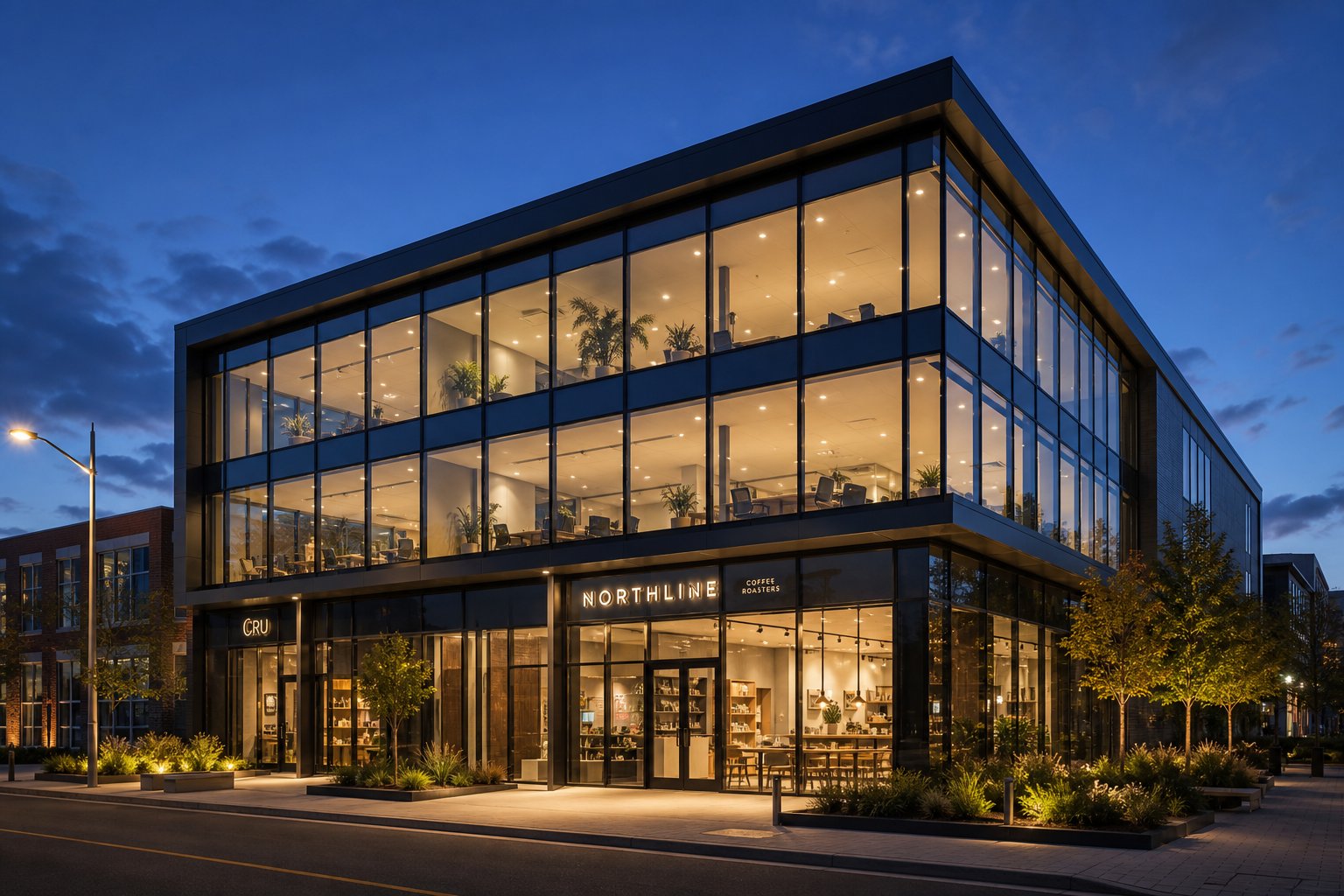
Choosing a Full-Service Aluminium Windows and Doors Partner
Coordination capability separates a transactional supplier from a genuine project partner. But the decision runs deeper than logistics alone. Everything covered in this article, from understanding fabrication processes and material performance to vetting certifications and asking the right questions, points toward a single strategic choice: what type of partner does your project actually need?
Matching Your Project Needs to the Right Partner Type
Not every project requires the same level of service. A straightforward aluminium window replacement on a single home demands far less coordination than a 60-unit apartment development with staged deliveries and facade engineering. The table below maps three common partner models against the factors that determine fit:
| Partner Type | Services Included | Ideal Project Size | Engineering Support | Delivery Coordination | Typical Engagement |
|---|---|---|---|---|---|
| Full-service supply partner (aluminium windows manufacturer + fabricator + logistics) | System recommendation, engineering coordination, material calculation, manufacturing, QC, staged delivery | Multi-unit residential, commercial, complex architectural | In-house or closely integrated | Programme-aligned staged dispatch | Project-based partnership from design through handover |
| Manufacturer-fabricator | Profile design, fabrication, quality testing, bulk supply | Medium to large residential and commercial | Available but may require external coordination | Batch delivery; limited site-level scheduling | Order-based with technical support |
| Fabricator only | Cutting, assembly, glazing, hardware fitting | Single homes, small renovations, standard configurations | Limited; relies on external engineers | Single delivery upon completion | Transactional supply |
Full-service partners sit at the top because they absorb complexity that would otherwise fall on you, your builder, or your architect. For developers managing multiple aluminium doors windows packages across a programme, or architects specifying alu windows and doors for demanding facades, that absorption of risk translates directly into fewer delays and fewer defects at handover.
Making Your Final Decision
The right aluminium windows company reduces project risk, lifts quality outcomes, and simplifies coordination across every trade involved in the building envelope. A poor choice does the opposite, quietly compounding cost through rework, programme slippage, and warranty disputes that surface months after practical completion.
Here is what this article distils into a decision framework:
- Confirm aluminium is the correct material for your project conditions before engaging any fabricator.
- Understand the fabrication process well enough to recognise quality when you see it and question it when you do not.
- Verify certifications, but weight operational behaviours and reference projects more heavily.
- Ask specific technical and commercial questions, then compare answers side by side.
- Choose a partner whose coordination capability matches your project's complexity, not just one whose price is lowest.
Among aluminium window companies operating in the Australian market, those offering end-to-end project support from system recommendation through engineering, manufacturing, quality control, and logistics consistently deliver smoother outcomes for builders, developers, and architects. MEICHEN operates on this model, supporting projects from drawings to delivery as an integrated aluminum window manufacturer rather than a disconnected link in a fragmented supply chain. If your project demands that level of coordination, exploring their full-service fabrication support is a practical next step.
Whether you are sourcing aluminium windows doors for a single architectural home or coordinating hundreds of units across a commercial development, the partner you choose shapes the outcome far more than the profile system they fabricate. Choose accordingly.
Frequently Asked Questions About Aluminium Door Window Fabricators
1. What is the difference between an aluminium window fabricator and a manufacturer?
A manufacturer (or system supplier) designs and produces the raw aluminium profile systems, gaskets, and componentry but does not assemble finished products for specific projects. A fabricator purchases those profiles and components, then cuts, machines, and assembles them into completed window and door units built to your project's exact specifications. Quality varies between fabricators using the same system because machinery precision, workforce skill, and quality control processes differ. Some companies span both roles, but understanding the distinction helps you hold the right party accountable for product quality and project delivery.
2. How long does aluminium window fabrication take in Australia?
Lead times depend on project scale and specification complexity. A standard residential order with stock colours typically takes four to six weeks from confirmed order to delivery. Custom colours or non-standard sizes extend this to six to ten weeks. Multi-unit residential projects run eight to sixteen weeks due to staged production and shop drawing approvals, while commercial developments can take twelve to twenty-plus weeks. Factors that push timelines longer include custom powder coat colours requiring dedicated coating batches, specialty glazing with independent supply lead times, seasonal demand peaks in spring and summer, and any decision delays after order confirmation.
3. What certifications should I look for when choosing an aluminium window fabricator?
In the Australian market, AS 2047 compliance is non-negotiable as it covers structural performance, water penetration resistance, and air infiltration for windows and external glazed doors. Beyond that, look for AS 1288 compliance for glass selection, ISO 9001 quality management certification indicating documented and audited processes, Qualicoat certification for coating quality, and AGWA membership confirming NATA-accredited laboratory testing. NCC compliance documentation relevant to your climate zone is also essential. Use certifications as conversation starters rather than a simple pass/fail filter — ask fabricators to explain what each means for your specific project.
4. Is aluminium better than uPVC for windows in Australian conditions?
Aluminium outperforms uPVC in several Australian-specific scenarios: large openings requiring slim sightlines where uPVC profiles become too bulky, coastal environments where salt air and intense UV can degrade plastic over time, commercial facades needing structural strength at low weight, and projects requiring extensive colour customisation through powder coating or anodising. Thermally broken aluminium has largely closed the energy-efficiency gap that once favoured uPVC. However, uPVC remains a viable choice for budget-constrained residential projects in mild climates where maximum span widths and colour variety are not priorities.
5. What finishing options are available for aluminium window frames?
Three primary finishing methods are used in Australia. Powder coating is the most common, offering virtually unlimited RAL colours in matt, satin, or gloss textures with typical ten-year warranties. Anodising creates an extremely durable, scratch-resistant metallic finish that becomes part of the metal itself, ideal for coastal properties, though limited to silver, bronze, black, and champagne tones. Wood-grain sublimation uses heat-transfer technology to apply realistic timber patterns onto a powder-coated base, giving the warmth of timber without ongoing maintenance. For Australian conditions with intense UV exposure, specify Qualicoat Class 2 or AAMA 2604/2605 rated coatings to ensure long-term colour retention.