
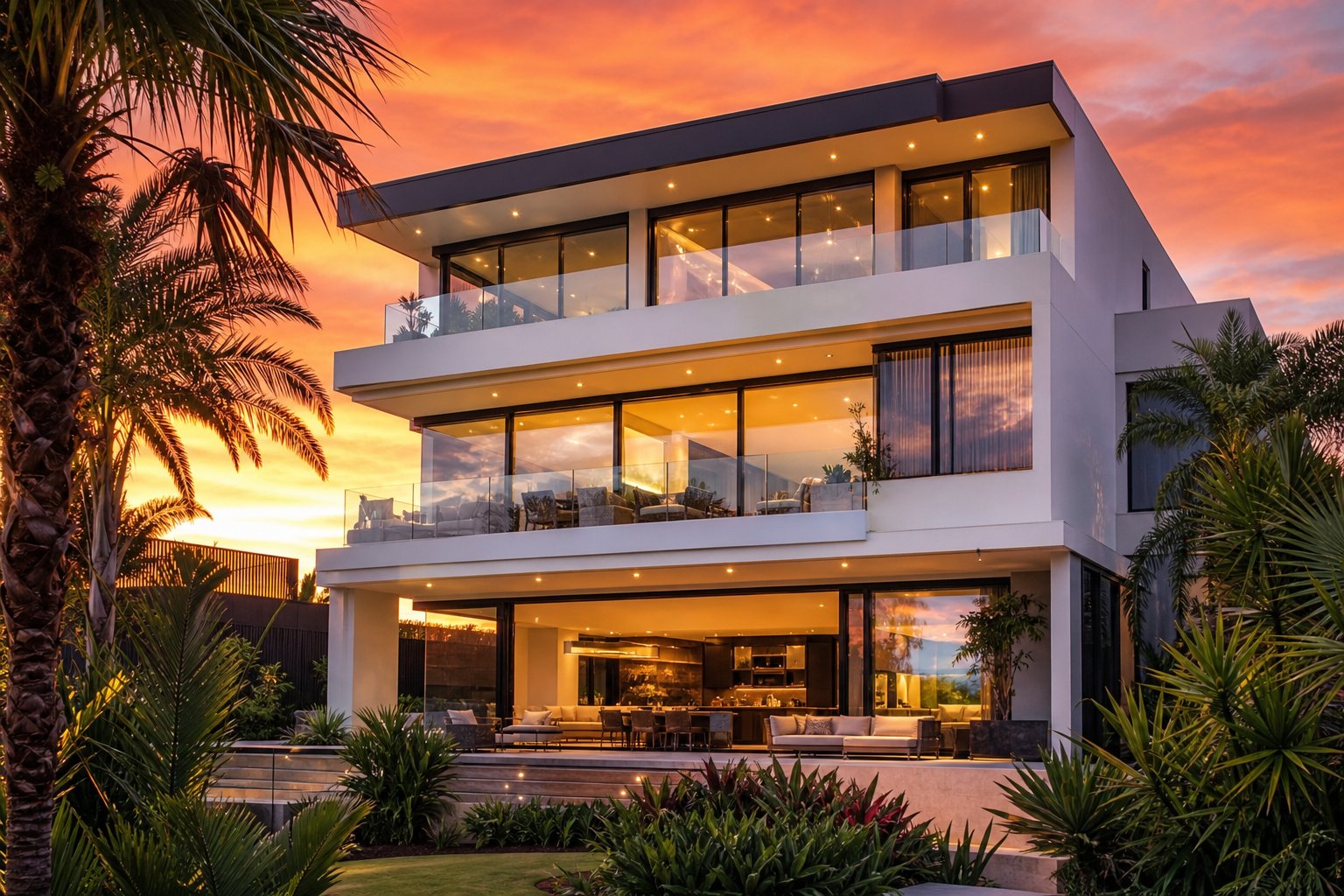
What Are Aluminium Alloy Windows and Why They Matter
Not every aluminium window is created equal. The term gets tossed around loosely in renovation conversations and product brochures, but there is a meaningful technical distinction between pure aluminium and the engineered alloys that actually form your window frames. Understanding that difference changes how you evaluate quotes, compare products, and predict how your windows will perform over decades of Australian weather.
Aluminium alloy windows are window systems whose frames are extruded from engineered aluminium alloys — primarily the 6000-series (combining aluminium with silicon and magnesium) — rather than pure aluminium. These alloys are heat-treated to specific temper states that deliver the structural strength, corrosion resistance, and surface finish quality required for long-term building performance.
What Sets Aluminium Alloy Windows Apart
Pure aluminium (1000-series) is soft, highly malleable, and lacks the mechanical strength needed to support glass loads or resist wind pressure. It would make a terrible window frame. The 6000-series alloys used in fenestration solve this by adding silicon and magnesium to the base metal, creating a material that can be extruded into slim, complex profiles while maintaining serious structural integrity.
This is why the industry moved to alloys decades ago. Modern aluminium windows rely on grades like 6063 and 6061, each engineered for a specific balance of extrudability, strength, and corrosion resistance. When you see alu windows advertised without any mention of alloy grade, that is a gap worth questioning.
Why Alloy Composition Matters for Window Performance
Three core properties make these alloys ideal for windows in aluminium framing applications:
- Strength-to-weight ratio — 6000-series alloys deliver enough tensile strength to support large glass panes with slimmer sightlines than timber or uPVC, without adding structural load to the building.
- Corrosion resistance — the silicon-magnesium composition forms a natural oxide layer that resists degradation, even in coastal salt-air environments common across Australia.
- Design flexibility — superior extrudability allows manufacturers to produce intricate multi-chamber profiles that integrate thermal breaks, drainage channels, and hardware pockets into a single aluminium window frame.
A common misconception is that an aluminium window will feel cold to the touch and attract condensation. That concern applied to older, non-thermally-broken profiles from the 1980s and 1990s. Contemporary aluminium alloy windows incorporate polyamide thermal barriers that interrupt heat transfer between the interior and exterior faces of the frame, eliminating the cold-bridge effect that once gave the material a poor reputation for energy performance.
The real question is not whether aluminium works — it clearly does — but which specific alloy grade and temper designation matches your climate, your structural requirements, and your long-term expectations.
Alloy Grades and Temper Designations Explained
Alloy grade and temper state are the two pieces of information that tell you exactly how an aluminium frame will behave once it is installed. Strip away the marketing language on a product datasheet and these codes reveal the frame's resistance to warping, its impact tolerance, and how well it will hold a powder coat or anodised finish over decades of service.
Common Alloy Grades in Window Manufacturing
Three grades dominate the production of aluminium window frames worldwide: 6063, 6061, and 6060. Each belongs to the 6000-series family — alloyed with magnesium and silicon — but their slightly different compositions create distinct performance profiles suited to different roles in aluminium window framing.
6063 is the workhorse of residential fenestration. Its lower magnesium and silicon content (0.45–0.9% Mg, 0.2–0.6% Si) gives it outstanding extrudability, meaning manufacturers can push it through complex dies to form multi-chamber profiles with thin walls and tight tolerances. The resulting surface is smooth enough to accept high-quality anodising or powder coating without additional preparation. If you have seen a sleek, slim-profile aluminium frame window on a modern Australian home, it was almost certainly extruded from 6063.
6060 shares a similar composition to 6063 but with marginally lower alloying content. It is widely specified across European and Australian markets for standard residential profiles where moderate strength is sufficient and cost efficiency matters.
6061 steps up in strength thanks to higher magnesium and silicon levels plus the addition of copper and chromium. It serves structural applications — large-span commercial curtain walls, high-rise mullions, and alu frames exposed to extreme wind loads — where an extruded aluminium window frame must carry significant mechanical stress without deflection.
| Property | 6063-T5 | 6060-T5 | 6061-T6 |
|---|---|---|---|
| Ultimate Tensile Strength | ~186 MPa | ~170 MPa | ~310 MPa |
| Yield Strength | ~145 MPa | ~120 MPa | ~276 MPa |
| Extrudability Rating | Excellent | Excellent | Good |
| Corrosion Resistance | Excellent | Excellent | Very Good |
| Surface Finish Quality | Superior | Very Good | Good |
| Thermal Conductivity | ~200 W/m·K | ~200 W/m·K | ~167 W/m·K |
| Density | 2.7 g/cm³ | 2.7 g/cm³ | 2.7 g/cm³ |
| Typical Window Application | Residential casement, sliding, awning | Standard residential profiles | Commercial curtain walls, structural mullions |
How Temper Designations Affect Real-World Durability
The letter-number code after the alloy grade — T5, T6 — describes how the metal was heat-treated after extrusion. This is not a minor footnote; it directly determines how your aluminium frames resist permanent deformation under sustained loads like wind pressure or repeated opening cycles.
T5 means the profile was cooled from the extrusion temperature and then artificially aged. The process produces lower residual stresses and better dimensional stability, which is critical for complex thin-walled window sections that must maintain tight tolerances over time. Most residential aluminium window frames in Australia are supplied in 6063-T5 because it balances adequate strength with excellent formability and finish.
T6 involves a full solution heat treatment followed by rapid quenching and artificial ageing. The result is significantly higher yield and tensile strength — roughly 40–50% stronger than T5 in the same alloy — at the cost of greater internal stress and slightly reduced dimensional stability. For window applications, T6 temper is reserved for profiles that must handle heavy glazing loads or span wide openings without intermediate support.
In practical terms, a 6063-T5 frame resists warping from daily thermal cycling and maintains its seal integrity for 40 years or more under normal residential conditions. A 6061-T6 frame handles the structural demands of a three-storey commercial facade where wind loads and glass weight push material limits. Choosing the right combination of grade and temper means your windows perform to specification without over-engineering the cost.
Surface treatment compatibility also follows from this choice. The smoother microstructure of 6063-T5 produces a more uniform anodised layer and accepts powder coat finishes with fewer imperfections — a real advantage when colour consistency across dozens of openings matters to the finished look of a project.
Thermal Break Technology and Energy Efficiency
Aluminium conducts heat at roughly 160 W/m·K — around 1,000 times faster than PVC and 5,000 times faster than timber. Left unaddressed, that conductivity turns an aluminum window frame into a thermal highway, shuttling heat straight through the wall envelope regardless of how much insulation surrounds it. Thermal break technology exists to sever that highway, and the way it interacts with alloy grade selection determines whether your windows meet or exceed the energy targets set by Australia's National Construction Code.
How Thermal Breaks Transform Aluminium Energy Performance
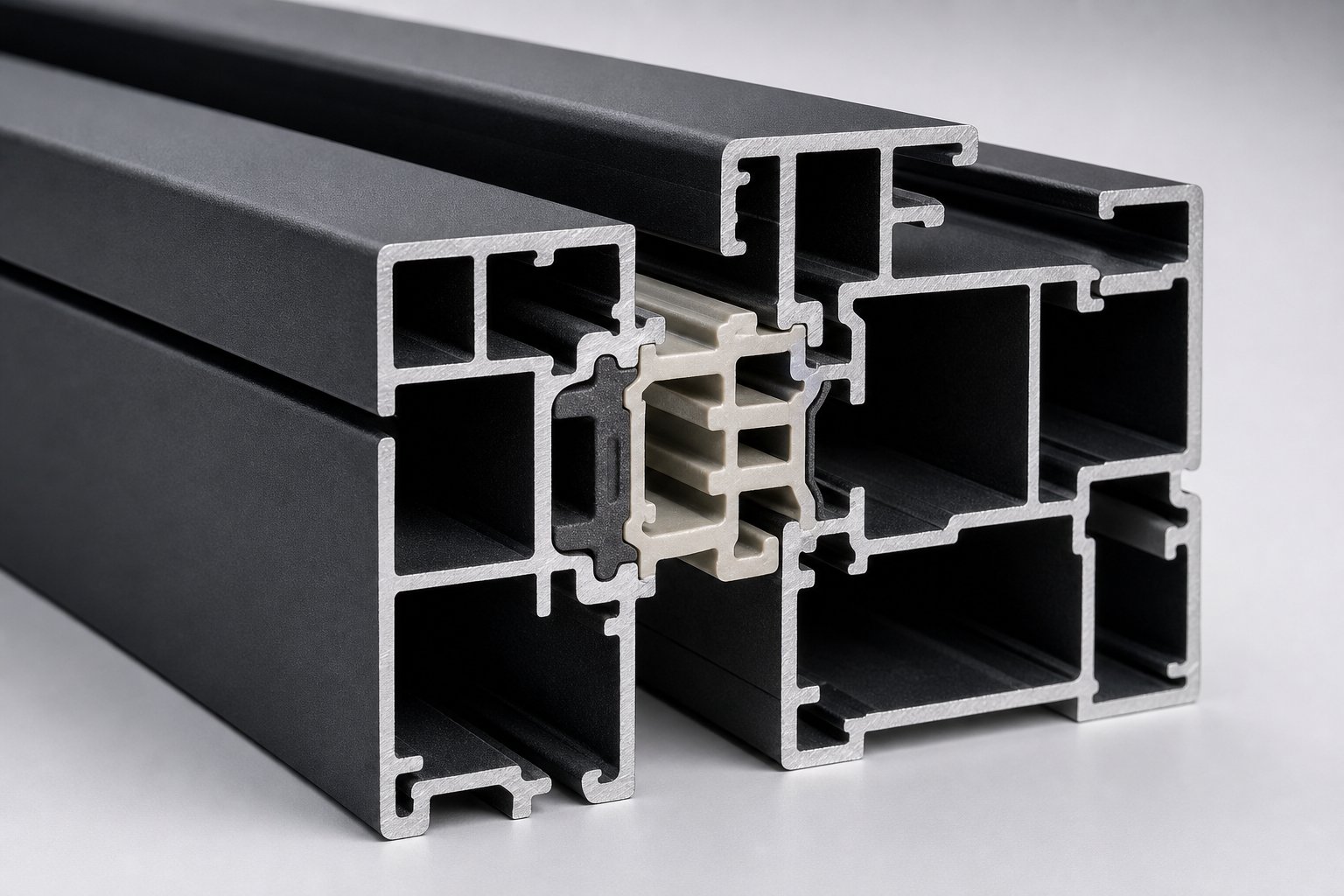
The concept is straightforward: split the aluminium extrusion into two separate profiles — one facing the interior, one facing the exterior — and bridge them with a material that barely conducts heat at all. That bridge is typically a polyamide strip (PA66 reinforced with glass fibre), though some systems use a poured-and-debridged polyurethane barrier instead. Polyamide's thermal conductivity sits at just 0.3 W/m·K, creating an insulating zone more than 500 times more effective than the aluminium it separates.
In manufacturing, two aluminium sections are extruded with precision-machined channels. Polyamide strips — ranging from about 14.8 mm to 34 mm wide depending on performance requirements — slot into those channels and are mechanically crimped or knurled into place. The result is a composite profile that behaves as a single structural unit while dramatically interrupting heat flow. For aluminum frame windows using the pour-and-debridge method, liquid polyurethane fills a pocket within a single wide extrusion, cures solid, and then the connecting metal is cut away, leaving only the insulating resin holding the inner and outer faces together.
Early thermal break designs from the 1980s relied on narrow single-cavity strips — effective enough to reduce condensation, but limited in overall insulation value. Modern multi-chamber systems represent a different class of performance entirely. Advanced polyamide strips now incorporate multiple hollow pockets that trap still air within the break itself, adding another insulating layer in the same way that aluminium double glazing uses a sealed air gap between panes. Some next-generation profiles go further: physically foamed polyamide composites reduce the barrier's density from 1.31 kg/dm³ to around 1.0 kg/dm³ while lowering thermal conductivity to approximately 0.20 W/m·K — a 50% improvement over standard glass-fibre-filled strips.
Alloy Properties and Their Impact on U-Values
A standard aluminium frame without any thermal break delivers a frame U-value (Uf) of roughly 5.0–7.0 W/m²·K — far too high for compliance with current NCC Section J energy provisions. Introducing a 24 mm thermal break drops that figure to around 1.8–2.5 W/m²·K. Premium profiles with 34 mm+ breaks and foam insulation inserts push Uf values down to 0.8–1.2 W/m²·K, placing them on par with high-performance timber and well ahead of many uPVC systems.
Alloy grade plays a supporting role here. The thermal conductivity difference between 6063-T5 (~200 W/m·K) and 6061-T6 (~167 W/m·K) is modest in isolation, but it compounds across the full profile geometry. Thicker-walled 6061-T6 profiles used in commercial aluminum window frames carry more metal mass through which heat can travel, making wider thermal breaks and multi-chamber designs even more critical for large-span glass aluminium frame assemblies in commercial facades. Residential 6063-T5 profiles, being thinner-walled and lighter, achieve competitive U-values with narrower breaks — one reason they dominate the housing market.
The whole-window U-value (Uw) that appears on a WERS label accounts for the frame, the glazing, and the edge spacer together. A well-specified aluminum glass frame system pairs a thermally broken profile with low-E coated double or triple glazing and warm-edge spacers to deliver Uw values that satisfy even the strictest NatHERS modelling requirements for climate zones 1 through 8.
Several factors interact to determine the final thermal performance of any aluminum frame glass assembly:
- Break material type — standard glass-fibre polyamide vs foamed polyamide vs polyurethane, each with different lambda values
- Break width — wider strips (24–34 mm+) create a longer thermal path and lower Uf
- Number of chambers — multi-chamber strips trap air pockets that add insulating value beyond the solid material alone
- Alloy profile depth — deeper profiles accommodate wider breaks and more complex internal geometries
- Glazing integration — how the glass unit seats into the frame affects edge-of-glass heat loss and overall Uw
For homeowners upgrading from single pane aluminum windows common in older Australian homes built before the 1990s, the performance leap is dramatic. Those original frames had no thermal break at all and held a single layer of glass — a combination that might produce a Uw above 6.0 W/m²·K. Replacing them with thermally broken aluminium alloy windows fitted with low-E double glazing can cut that figure by 70% or more, translating directly into lower heating and cooling bills and improved comfort year-round.
The takeaway is clear: thermal break quality is the single biggest lever for energy performance in any aluminium window system. Alloy grade sets the structural foundation, but it is the break width, material, and chamber design that determine whether your windows merely comply with code or genuinely outperform competing frame materials on energy efficiency.
Aluminium Alloy vs Other Frame Materials Compared
Energy performance tells only part of the story. A window frame must also resist structural loads, survive decades of weather exposure, accept the finishes you want, and fit the sightline proportions your design demands. Comparing aluminium alloy windows against the other major frame materials on measurable criteria — rather than vague claims about quality — reveals where each option genuinely leads and where it compromises.
Performance Metrics Across Frame Materials
The table below draws on published performance data from industry comparison guides and manufacturer specifications. Where ranges appear, they reflect the spread between entry-level and premium products within each material category.
| Metric | Aluminium Alloy (Thermally Broken) | uPVC | Timber (Hardwood) | Fibreglass | Steel (Thermally Broken) |
|---|---|---|---|---|---|
| Expected Lifespan | 40–60+ years | 25–35 years | 40–60 years | 30–50 years | 50+ years |
| Maintenance Frequency | Minimal (periodic cleaning) | Minimal (periodic cleaning) | High (repaint every 4–7 years) | Low (occasional repaint) | Moderate (inspect coatings every 5–10 years) |
| Frame U-value (Uf) Range | 0.8–2.0 W/m²·K | 0.7–1.5 W/m²·K | 1.0–1.4 W/m²·K | 1.0–1.6 W/m²·K | 1.5–2.5 W/m²·K |
| Strength-to-Weight Ratio | Excellent | Low (requires steel reinforcement) | Moderate | Good | Excellent |
| Minimum Sightline Width | 35 mm | 70 mm+ | 55 mm+ | 50 mm+ | 30 mm |
| Recyclability | ~95% (infinite cycles, no quality loss) | Recyclable up to 10 times | Biodegradable / reusable | Limited (thermoset resin) | ~90% (fully recyclable) |
| Colour and Finish Options | Unlimited RAL powder coat, anodised, wood-grain | Limited palette, foil wraps | Any paint or stain colour | Factory paint, limited field options | Powder coat, limited palette |
A few patterns stand out immediately. Aluminium and steel deliver the slimmest sightlines — meaning more glass area per opening — while uPVC profiles must be nearly twice as wide to achieve equivalent structural ratings. On thermal performance, uPVC and timber hold a natural advantage at the frame level, though premium thermally broken aluminium systems now overlap with both when paired with wide polyamide breaks and multi-chamber profiles. Fibreglass sits in the middle ground: decent thermal numbers and reasonable strength, but limited recyclability and a narrower range of finish options compared to metal windows or timber.
Where Aluminium Alloy Frames Excel and Where They Compromise
Honesty about trade-offs matters more than a sales pitch. Aluminium alloy frames genuinely lead in three areas:
- Design flexibility — slim profiles maximise daylight and views, particularly in large-span sliding doors and floor-to-ceiling fixed panels where every millimetre of frame width subtracts from the glass area.
- Longevity with minimal upkeep — a powder-coated aluminium frame requires nothing beyond soap-and-water cleaning for 40–60 years. Timber demands repainting cycles; uPVC eventually discolours or becomes brittle.
- End-of-life value — aluminium is infinitely recyclable without quality degradation, and recycling consumes only 5% of the energy needed for primary production. That circular economy advantage is increasingly relevant as embodied carbon enters Australian building assessments.
The compromises are equally real. Without a thermal break, aluminium's conductivity makes it the worst-performing frame material for insulation — a point that still applies to budget profiles sold without polyamide barriers. Even with quality breaks, achieving the same Uf as a multi-chamber uPVC profile requires a wider, more complex (and costlier) aluminium section. Upfront pricing also sits above uPVC: expect to pay roughly 20–30% more for a comparable thermally broken aluminium window in the Australian market, though lifecycle cost analysis often reverses that gap over a 30-year ownership period because uPVC frames typically need full replacement around the 25–30 year mark.
Hybrid frames offer a way to capture the strengths of multiple materials simultaneously. Aluminium clad wood windows pair a hardwood interior — valued for its warmth, natural insulation, and aesthetic appeal — with an external aluminium shell that handles weather exposure without maintenance. These wood clad aluminium windows are popular in high-end residential projects where owners want the interior character of timber without committing to exterior repaint cycles every few years. The aluminium cladding, typically extruded from 6063-T5, protects the timber substrate from UV, rain, and temperature cycling while accepting any powder coat colour to match the facade.
The reverse configuration also exists: clad aluminium systems where a decorative timber or composite veneer is applied to the room-facing side of an aluminium frame, giving the visual warmth of wood without the structural reliance on it. Metal clad windows in this category suit projects where structural performance and slim sightlines take priority, but the interior design calls for a softer material expression.
Composite frames — combining materials like aluminium, timber, and insulating polymers into a single profile — represent the newest entrant. They aim to optimise each material's contribution: aluminium for weather resistance and slimness, timber or cork for insulation, and polymer connectors for thermal separation. Availability in Australia remains more limited than single-material systems, and pricing sits at the premium end, but the concept signals where the industry is heading.
Ultimately, the right frame material depends on what you are optimising for. If maximum glass area, minimal maintenance, and a 40–60 year service life matter most, thermally broken aluminium alloy frames deliver. If raw thermal performance at the lowest upfront cost is the priority, uPVC wins on paper — though its shorter lifespan and bulkier profiles carry their own costs. Timber remains unmatched for natural beauty and heritage compliance but demands ongoing care. And for projects that refuse to compromise, aluminium clad windows or full composite systems let you combine advantages rather than choosing between them.
Material selection, however, does not happen in isolation. The environment where your windows will live — coastal salt air, inland UV exposure, cyclone-prone regions — interacts with every frame material differently, and that interaction should shape your specification just as much as the performance table above.
Climate Performance and Structural Considerations for Metal Frame Windows
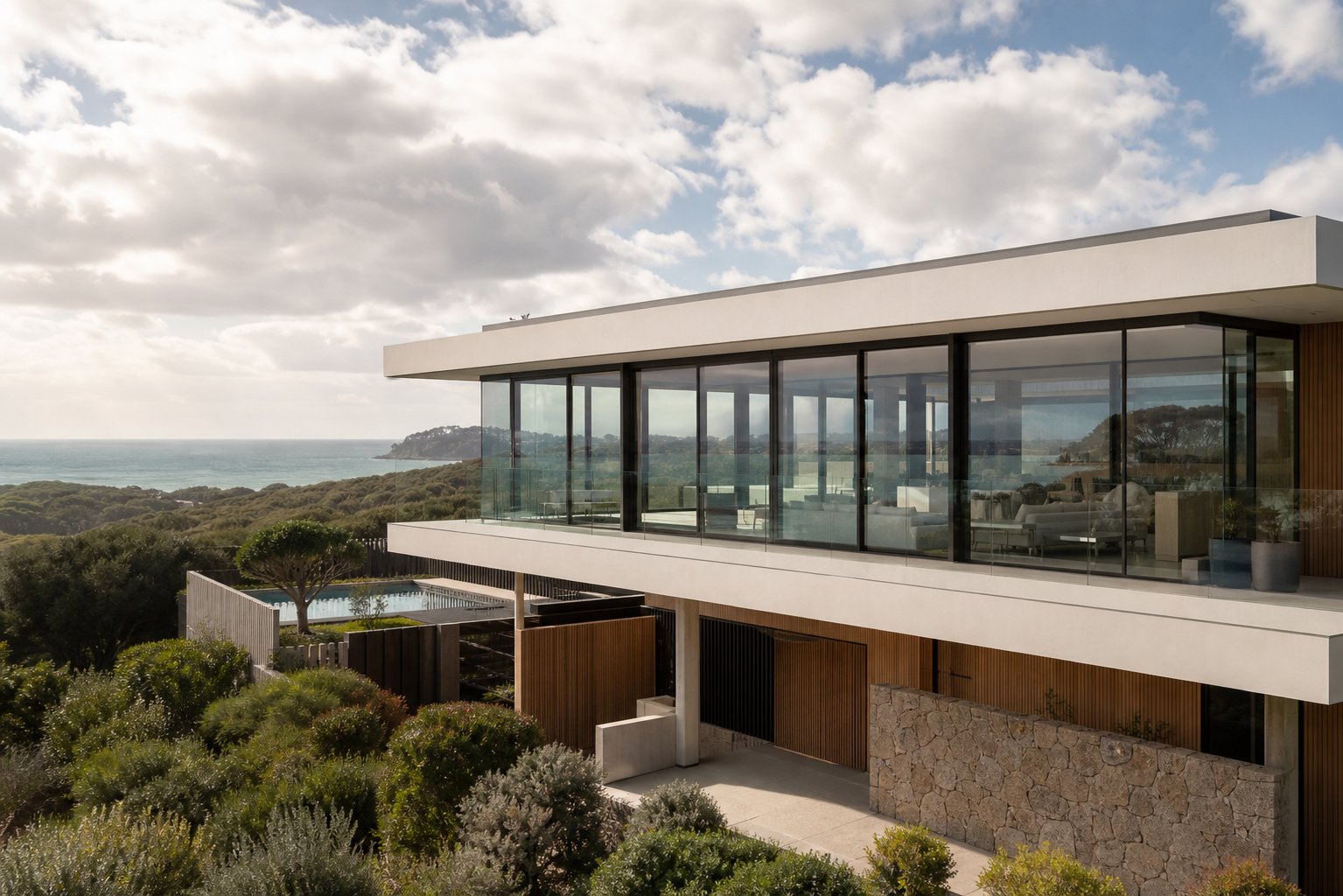
A window that performs flawlessly in suburban Melbourne may deteriorate within a decade on the Sunshine Coast. Australia's climate diversity — from tropical humidity in Far North Queensland to salt-laden coastal winds along the entire eastern seaboard, to extreme UV intensity across the inland west — places very different demands on a metal window frame depending on where it sits. Alloy grade and temper designation set the structural baseline, but surface treatment, profile wall thickness, and hardware specification must all respond to the specific environmental stressors at the installation site.
Coastal and High-Humidity Environments
Salt air is the primary enemy of any window frame metal in coastal zones. Airborne saline particles deposit on aluminium surfaces, and in the presence of moisture, they break down protective coatings and initiate pitting corrosion. Unprotected profiles in aggressive marine environments can develop visible surface degradation within just a few years — streaking, chalking, and eventually structural weakening at joints and fastener points.
The severity depends on proximity to the tidal zone and prevailing wind direction. Properties within 1 km of breaking surf face the harshest exposure, classified under ISO corrosivity categories C4 to CX (formerly C5-M). Even homes 5–10 km inland in coastal cities like Sydney, the Gold Coast, or Perth can experience moderate salt deposition, particularly during storm events that carry aerosols further than usual.
High humidity compounds the problem. Persistent moisture on frame surfaces extends the contact time between salt deposits and the aluminium substrate, accelerating oxidation rates. Tropical regions like Cairns and Darwin combine both stressors year-round — salt exposure from coastal proximity plus humidity levels regularly exceeding 80%. In these environments, standard powder coat finishes rated for inland use simply do not last.
Alloy selection matters here too. While 6063-T5 offers excellent general corrosion resistance, some manufacturers specify AA6082 or higher-purity variants for marine-grade applications. These alloys feature fewer impurities and a denser grain structure that slows the progression of pitting once the surface coating is breached. Pairing the right alloy with enhanced anodising (minimum 25 microns thickness) or a Qualicoat Seaside-rated powder coat creates a layered defence system that can withstand over 1,000 hours of salt spray testing per ISO 9227.
Extreme Temperature and UV Exposure Considerations
Inland Australia presents a different challenge. Towns like Alice Springs, Broken Hill, and much of western NSW and Queensland experience daily temperature swings of 20°C or more, combined with some of the highest UV indices on the planet. These conditions stress aluminium alloy windows in two distinct ways.
First, thermal cycling causes repeated expansion and contraction of the metal profiles. Aluminium expands at roughly 23 microns per metre per degree Celsius — a 2-metre-wide sliding frame in a location with a 40°C seasonal temperature range will move nearly 2 mm across its width over the course of a year. Premium-grade aluminium maintains dimensional stability through these cycles without warping or fatiguing, but the gaskets, seals, and thermal break connections must be engineered to accommodate that movement. EPDM and silicone gaskets formulated for UV and thermal stability outperform cheaper alternatives that harden and crack within a few years of intense sun exposure.
Second, UV radiation degrades organic coatings. Standard polyester powder coats can fade and chalk noticeably on north and west-facing facades within 10–15 years in high-UV zones. For metal framed windows on sun-exposed elevations, specifying a PVDF (polyvinylidene fluoride) or fluoropolymer-based coating provides superior colour retention and gloss stability — these finishes resist photodegradation far longer than standard polyester alternatives. Black aluminum windows and bronze aluminum windows are particularly popular for modern window frames on contemporary Australian homes, but darker colours absorb more solar radiation and reach higher surface temperatures, making coating quality even more critical in these shades.
Wall thickness in the aluminium extrusion directly affects structural performance under wind load. AS 2047 — the Australian Standard governing windows and external glazed doors — sets minimum performance requirements based on the building's geographic wind region, height above ground, and shielding conditions. In cyclone-prone areas of northern Queensland, the Northern Territory, and parts of Western Australia (Wind Regions C and D under AS/NZS 1170.2), metal window frames must resist design wind pressures that can exceed 3.0 kPa. Meeting these loads requires thicker-walled profiles — typically 1.6 mm to 2.0 mm minimum wall thickness — compared to the 1.2–1.4 mm sections adequate for sheltered suburban locations in Wind Region A.
Thicker walls also improve screw-holding capacity for hardware and improve the frame's resistance to forced entry, an added benefit in exposed locations where windows may face both weather and security challenges. The trade-off is weight and cost — heavier profiles require more aluminium per lineal metre and may need upgraded hardware to operate smoothly — but in high-wind zones, structural adequacy is non-negotiable.
Matching your specification to the installation environment means considering all these factors together. The following recommendations provide a starting framework:
- Coastal areas (within 1 km of surf) — marine-grade anodising at 25+ microns or Qualicoat Seaside-rated powder coat; stainless steel or marine-grade hardware; drainage channels designed to flush salt deposits; consider 6082 alloy for extreme exposure
- High-wind zones (Wind Regions B, C, D) — minimum 1.6 mm wall thickness profiles; multi-point locking systems rated to the required design pressure; laminated or toughened glazing to AS 1288; engineering certification per AS 2047
- High-UV inland locations — PVDF or fluoropolymer coatings on sun-facing elevations; UV-stable EPDM gaskets; lighter frame colours where possible to reduce thermal stress, or premium coatings if darker tones are specified
- Tropical humid regions — combination of marine-grade surface treatment and UV-stable components; enhanced drainage design to manage condensation and storm water; thermal break seals rated for sustained high humidity without degradation
- Bushfire-prone areas (BAL 12.5 to BAL-FZ) — metal framed windows are inherently advantageous as they will not ignite; glazing must comply with AS 3959 requirements for the applicable BAL rating; screens and seals must also meet bushfire compliance
Building codes enforce these requirements through the NCC and referenced Australian Standards, but codes set minimum thresholds — not optimal performance. A window that barely passes AS 2047 testing for its wind region will function, but one specified with margin above the minimum delivers better long-term seal integrity, reduced air leakage, and quieter operation as components age. In exposed locations, specifying one performance class above the minimum is a modest cost increase that pays dividends over the 40–60 year life of the installation.
Climate-appropriate specification protects your investment. It also shapes what you should expect to pay — because alloy grade, wall thickness, coating type, and hardware quality all feed directly into the pricing equation.
Cost Factors and Lifecycle Value Analysis
Quotes for aluminium alloy windows can vary by hundreds — sometimes thousands — of dollars between suppliers, even for what appears to be the same opening size. That spread is not random. It reflects real differences in specification, and understanding which components drive cost helps you read a quote intelligently rather than defaulting to the cheapest number on the page.
What Drives Aluminium Window Pricing
Every aluminium window quote bundles multiple cost layers together. Some carry far more weight than others. Ranked by their typical impact on the final per-unit price in the Australian market:
- Glazing specification — this is consistently the largest single cost driver. A standard double-glazed unit (5 mm + 12 mm air gap + 5 mm) sits at the baseline. Stepping up to argon-filled low-E double glazing adds 15–25%, while triple glazing or laminated acoustic glass can increase the glazing component by 30–50%. For an aluminium window replacement project upgrading from old single-glazed frames, the glazing alone often accounts for 35–45% of the total unit cost.
- Thermal break quality — a non-thermally-broken profile is significantly cheaper to manufacture, but it will not meet current NCC energy requirements in most climate zones. Premium polyamide breaks (24–34 mm wide, multi-chamber) add meaningful cost over basic 14 mm single-cavity strips, though the energy savings they deliver typically recover that premium within 5–8 years.
- Profile complexity and size — larger openings, multi-sash configurations, and operable styles (bi-fold, tilt-and-turn) require more aluminium per unit, more complex fabrication, and heavier-duty hardware. A fixed picture window costs considerably less than a same-sized bi-fold door because the engineering and componentry are simpler.
- Surface finish — standard single-colour powder coating is the most economical option. Anodised finishes cost more due to the electrochemical process involved. Dual-colour treatments (different colours inside and out) add roughly 10–20% because the profile must be masked and coated twice. Wood-grain sublimation finishes sit at the premium end.
- Hardware and operation type — friction stays, multi-point locks, concealed hinges, and security-rated fittings from European hardware manufacturers carry higher price tags than basic components. Sliding window hardware is generally simpler and cheaper than casement or awning mechanisms.
- Alloy grade — perhaps surprisingly, alloy grade itself has the smallest direct impact on pricing. The raw material cost difference between 6063-T5 and 6061-T6 is modest per kilogram. The real cost implication of choosing a higher-strength alloy shows up indirectly through the thicker wall sections and heavier profiles it enables for structural applications.
In the Australian market, supply-only pricing for a standard thermally broken aluminium casement window (approximately 1200 mm x 1000 mm, double-glazed, powder-coated) typically falls between $700 and $1,500 AUD depending on the system brand and specification level. Installation adds $150–$350 per opening for straightforward new-construction fitment, with retrofit situations — removing old frames, making good reveals, resealing — pushing that figure higher. Custom or oversized units, high-performance glazing, and premium finishes can take individual windows well above $2,500 AUD supply and install.
Value Considerations Beyond Upfront Cost
Sticker price alone is a poor basis for comparison. The real question is what each dollar buys you over the building's lifespan — and this is where aluminium alloy windows shift from appearing expensive to representing genuine value.
Consider a direct comparison over 60 years, roughly the expected service life of a quality aluminium frame. A uPVC window costs less upfront — typically 20–30% less for an equivalent size and glazing spec. But uPVC frames have a functional lifespan of 25–35 years before seals fail, frames warp, and full replacement becomes necessary. Over six decades, that means at least one complete replacement cycle — doubling the effective material and labour cost. Aluminium, requiring only periodic cleaning and occasional hardware servicing, avoids that second purchase entirely.
Timber tells a similar story from the opposite direction. Hardwood frames can match aluminium on longevity (40–60 years), but they demand repainting or resealing every 4–7 years. Over a 50-year period, those maintenance cycles accumulate significant cost in materials, labour, and the inconvenience of scaffolding or ladder access to upper-storey windows.
Energy savings compound the lifecycle advantage further. Replacement aluminum windows with modern thermal breaks and low-E glazing — installed in place of older non-thermally-broken frames — can reduce heating and cooling loads enough to recover a meaningful portion of the upfront premium through lower energy bills, particularly in climate zones with hot summers and cold winters like Canberra, the Southern Highlands, or inland Victoria.
When homeowners search for aluminium windows near me or browse aluminium windows for sale, the temptation is to filter by lowest price. A more useful filter is cost per year of expected service. On that metric, a $1,200 aluminium window lasting 50 years costs $24 per year. A $900 uPVC window lasting 28 years costs $32 per year — and that is before factoring in the disruption and additional installation expense of mid-life replacement. The aluminium window replacement you avoid is worth as much as the one you invest in upfront.
None of this means every project should default to the most expensive aluminium specification available. It means understanding what you are paying for at each price point, and making a deliberate choice about where to invest and where a standard specification will serve perfectly well. That clarity also helps when it comes to maintaining your investment over the decades ahead — because even minimal-maintenance does not mean zero-maintenance.
Maintenance Requirements and Sustainability Benefits
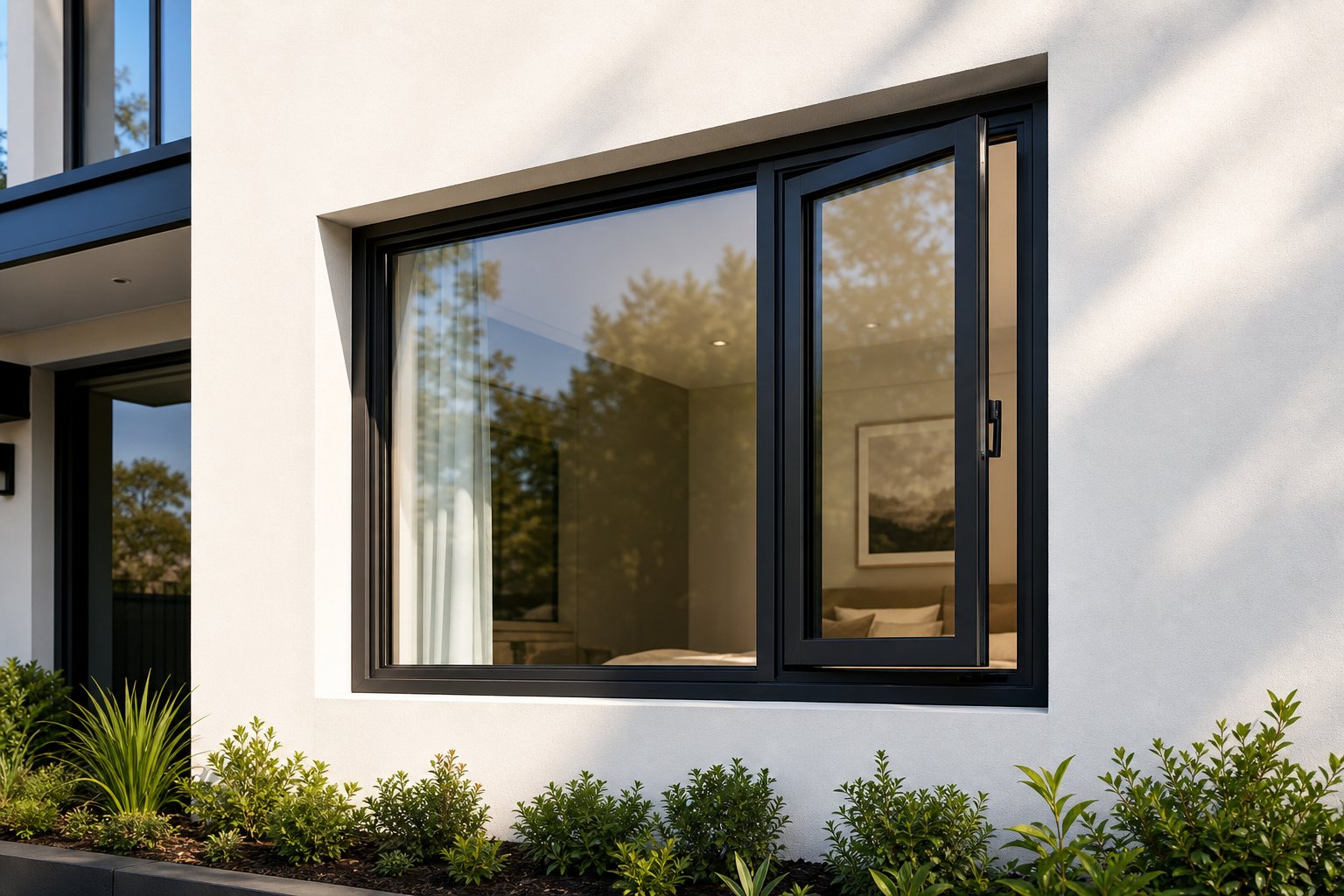
Minimal maintenance does not mean set-and-forget forever. Aluminium alloy windows earn their reputation as low-upkeep products, but a small amount of routine attention — measured in minutes per season rather than days per year — keeps them operating smoothly and looking sharp across their full 40–60+ year service life. The difference between a frame that still functions perfectly at 50 years and one that develops stiff hardware or degraded seals at 20 often comes down to a few simple habits.
Routine Maintenance for Maximum Lifespan
Compared to timber frames that demand sanding and repainting every 4–7 years, or old aluminum windows from the 1970s and 1980s that lacked modern coatings and seal technology, contemporary aluminium alloy frames ask very little of their owners. The core maintenance tasks break down into cleaning, lubrication, seal inspection, and drainage management — none of which require specialist tools or professional intervention.
Cleaning is the foundation. Dust, pollution, and organic matter (pollen, bird droppings, leaf tannins) accumulate on frame surfaces and, if left long enough, can stain powder coat finishes or trap moisture against the aluminium substrate. A soft cloth or sponge with warm soapy water — mild dishwashing liquid works perfectly — removes surface grime without damaging the coating. Avoid abrasive pads, steel wool, or alkaline-based cleaners, as these can scratch or chemically attack the protective finish layer. For properties near the coast, where salt deposits accelerate corrosion, monthly wipe-downs of exposed frames make a measurable difference to long-term appearance.
Hardware lubrication keeps windows operating with the light, smooth action they had on day one. Hinges, friction stays, locking mechanisms, and sliding tracks all benefit from a silicone-based lubricant applied every three to four months. Grease-based products attract dust and grit, eventually creating a paste that increases friction rather than reducing it — stick with spray silicone or a light machine oil instead. Before lubricating, brush or vacuum any debris from tracks and hinge pockets so the lubricant contacts clean metal surfaces.
Seal inspection catches small problems before they become expensive ones. The rubber or EPDM gaskets that hold glazing in place and provide weather sealing between sashes and frames will eventually harden and lose elasticity, particularly on sun-exposed elevations. Checking seals annually for cracking, shrinkage, or displacement allows you to replace individual gaskets at minimal cost rather than discovering failed weatherproofing through water ingress or draughts. Most quality aluminium window systems use clip-in gaskets that a competent homeowner can replace without removing the sash.
Drainage channels — the small slots machined into the bottom rail of each frame — allow condensation and wind-driven rain to escape rather than pooling inside the profile. These channels can block with dirt, insect debris, or paint overspray from nearby renovation work. A quick check each season with a thin brush or compressed air keeps them clear and functional.
Pulling these tasks together into a simple seasonal rhythm ensures nothing gets overlooked:
- Monthly — wipe down frames and glass with soapy water (increase frequency in coastal or high-pollution areas)
- Quarterly — lubricate hinges, locks, and sliding tracks with silicone spray; inspect seals for visible damage; check drainage slots are clear
- Annually — deep clean all frames including tracks and corners; inspect hardware screws for tightness; check for any coating damage, chips, or scratches that expose bare metal; apply protective wax or silicone sealant to frames in harsh environments
- Every 5 years — have a professional inspect thermal break integrity, re-tension friction stays if needed, and assess whether gaskets require replacement
How your surface finish responds to time and weather also shapes the maintenance picture. Anodised finishes create a hard, transparent oxide layer bonded directly to the aluminium — they resist scratching well and rarely require anything beyond cleaning, though they offer a limited colour palette (silvers, bronzes, blacks). Standard polyester powder coatings provide broad colour choice and good durability for 15–20 years in moderate environments, but may chalk or fade on heavily sun-exposed facades in inland Australia. PVDF (fluoropolymer) coatings represent the premium tier — their chemical structure resists UV degradation, chalking, and chemical attack far longer than polyester, with warranties extending to 25–30 years even in aggressive environments. For old aluminum window frames being replaced in coastal or high-UV locations, specifying PVDF on the replacement windows aluminium profiles is a worthwhile investment that minimises future touch-up requirements.
Sustainability and End-of-Life Recyclability
The lifecycle story of aluminium extends well beyond the decades your windows spend in the wall. Unlike most building materials, aluminium can be recycled indefinitely without any loss of structural quality — the alloy you replace aluminium windows with today could become part of a new window frame, aircraft component, or automotive panel in 60 years without degradation of its mechanical properties.
The energy economics reinforce this advantage. Recycling aluminium uses only about 5% of the energy required to produce primary metal from bauxite ore. That 95% energy saving translates directly into reduced carbon emissions — a critical consideration as embodied carbon calculations become standard in Australian building assessments under NCC 2025 provisions. With a recyclability rate around 95% for architectural aluminium, very little material leaves the circular loop.
Modern aluminium window manufacturers increasingly incorporate recycled-content alloys into their extrusions. The optimal approach blends recycled aluminium with low-carbon primary metal (produced using renewable energy sources like hydro or solar) to create what the industry terms "low-carbon aluminium." Reynaers Aluminium, for example, reports that 77% of their portfolio already meets low-carbon criteria, with an average carbon footprint of 4.13 kg CO2e per kilogram of aluminium billet and extrusion — a figure they aim to reduce to 2.81 kg CO2e/kg by 2030.
For Australian homeowners weighing up whether to replace aluminium windows from an older home or persist with deteriorating frames, the sustainability argument cuts both ways. Keeping functional old aluminum window frames in service avoids the embodied carbon of manufacturing new ones. But if those frames are non-thermally-broken, single-glazed, and leaking air — as many pre-1990s installations are — the operational energy wasted through poor thermal performance over another decade typically exceeds the embodied carbon of a replacement aluminum window many times over. Aluminum retrofit windows with modern thermal breaks and low-E glazing pay back their manufacturing carbon through reduced heating and cooling energy within a few years of installation.
End-of-life handling is straightforward. When aluminium alloy windows are eventually removed — whether after 40, 50, or 60+ years — the frames retain significant scrap value. Unlike uPVC, which degrades with each recycling pass and eventually becomes landfill, or timber, which may be contaminated with paint or preservatives, aluminium scrap is actively sought by recyclers. Most demolition and renovation contractors in Australia will either credit the scrap value against removal costs or collect aluminium frames at no charge specifically because the material has resale value.
This combination — decades of low-maintenance service, near-infinite recyclability, and genuine scrap value at end of life — positions aluminium alloy windows as one of the most sustainable framing choices available when assessed on a whole-of-life basis. The aluminium windows replacement cycle, when it eventually arrives, feeds directly back into the manufacturing stream rather than into landfill. That closed-loop potential is something no other mainstream frame material can match at the same scale.
Longevity and sustainability set the strategic context. The practical next step — choosing the right window style, configuration, and finish for your specific project — determines how well that long-term investment serves your home day to day.
Selecting the Right Aluminium Alloy Windows for Your Project
Knowing the technical fundamentals — alloy grades, thermal breaks, climate ratings — gives you the vocabulary to evaluate products. But the actual selection process starts with a different question: what does this specific opening need to do? A bedroom window on a quiet street has completely different priorities from a ground-floor living room facing a busy road, and both differ again from a commercial shopfront spanning four metres. Matching window style, glazing, and finish to your project's functional demands turns good material into a great installation.
Matching Window Styles to Project Requirements
Each opening mechanism brings distinct advantages in ventilation, weather sealing, sightline width, and spatial clearance. The main styles available in aluminium alloy framing include:
Casement windows — hinged at the side and opening outward (or inward in some European-style systems). Aluminium casement windows deliver the tightest air seal of any operable type because multi-point locks compress the sash firmly against the frame gaskets. They suit bedrooms, living areas, and any elevation exposed to wind-driven rain. Their structure also allows very slim profiles, maximising glass area per opening.
Sliding windows — panels glide horizontally along tracks without projecting into interior or exterior space. Aluminium sliding windows are the practical choice for balconies, kitchens, and rooms where furniture or foot traffic sits close to the window wall. Modern roller systems and interlocking meeting stiles have closed much of the air-tightness gap that once separated sliders from casements, though compression-sealed types still edge ahead on acoustic performance.
Awning windows — hinged at the top and opening outward from the bottom. This configuration allows ventilation during rain, making it popular for bathrooms, laundries, and any room that benefits from airflow without water ingress. Paired with a fixed panel above or below, awning sashes create flexible combination units.
Double-hung and single-hung windows — vertically sliding sashes within a single frame. Aluminum double hung windows feature two operable sashes that tilt inward for cleaning, while an aluminum single hung window has only the lower sash operable. These styles suit heritage renovations and traditional facade proportions where aluminium sash windows can replicate the look of original timber profiles with far less maintenance. Slim aluminium frames in a double-hung configuration achieve sightlines as narrow as 45 mm — noticeably sleeker than uPVC equivalents attempting the same style.
Fixed and picture windows — non-operable panels that maximise uninterrupted views and natural light. Without moving parts, fixed windows achieve the highest possible weather and acoustic ratings. They are commonly combined with operable casement or awning sashes in a multi-panel arrangement to balance light, views, and ventilation.
Residential projects typically prioritise a mix of operable and fixed panels tailored room by room. Commercial applications lean toward larger fixed expanses with strategically placed operable sections for natural ventilation compliance, plus higher structural ratings to handle increased wind loads at height.
Configuration and Customisation Options
Beyond the opening style, a series of specification decisions shapes the final product. Each choice interacts with the others — glazing performance affects frame depth, colour affects lead time, and hardware selection affects both security rating and budget. Working through these systematically avoids costly mid-project changes:
- Operation type — casement, sliding, awning, double-hung, tilt-and-turn, bi-fold, or fixed; determined by room function and spatial constraints
- Glazing performance level — standard double glazing, low-E coated double glazing, argon-filled units, triple glazing, or acoustic laminated glass; matched to climate zone and NatHERS modelling targets
- Frame colour — standard powder coat palette (typically 20–30 popular shades), custom RAL colour matching (over 200 options), anodised metallic finishes, or wood-grain sublimation transfers that replicate timber textures
- Hardware finish — matching or contrasting handle and hinge finishes in black, white, brushed nickel, satin chrome, or bronze
- Security features — keyed locks, multi-point locking systems, restricted window openings for child safety, and laminated glass for forced-entry resistance
- Screen requirements — fixed flyscreen, retractable screen, or security mesh (stainless steel woven screens rated to AS 5039 for both insect and intruder protection)
Colour deserves particular attention because it affects both aesthetics and long-term performance. Powder coating technology now offers virtually unlimited colour options — matt, satin, gloss, metallic, and textured finishes are all achievable. Dual-colour profiles allow a different shade inside and out, letting you match a dark exterior facade while keeping interior frames in a lighter tone that complements your interiors. Wood-grain finishes use a sublimation process to transfer realistic timber patterns onto the aluminium surface, delivering the visual warmth of wood without any of the maintenance burden.
For custom aluminum windows — non-standard sizes, unusual shapes, or specific performance combinations — lead times extend beyond off-the-shelf products, typically by two to four weeks depending on complexity. Planning these early in the build program avoids delays at lock-up stage.
Australian homeowners and builders looking to explore specific configurations, glazing options, and colour selections for their project can find a practical starting point through suppliers like MEICHEN's aluminium window range, which covers both residential and commercial applications with custom sizing and project-based supply across Australian cities. Having access to a supplier that offers technical guidance alongside product options simplifies the specification process — particularly for projects involving multiple window types, mixed glazing requirements, or tight construction timelines.
Whether you are specifying aluminium casement windows for a new build in Brisbane, aluminium sliding windows for a coastal apartment renovation in Wollongong, or a full suite of custom aluminum windows for a multi-storey commercial fitout, the selection framework remains the same: start with function, layer in performance requirements, then refine aesthetics and budget. Getting those layers right means your windows serve the building — and its occupants — exactly as intended for decades to come.
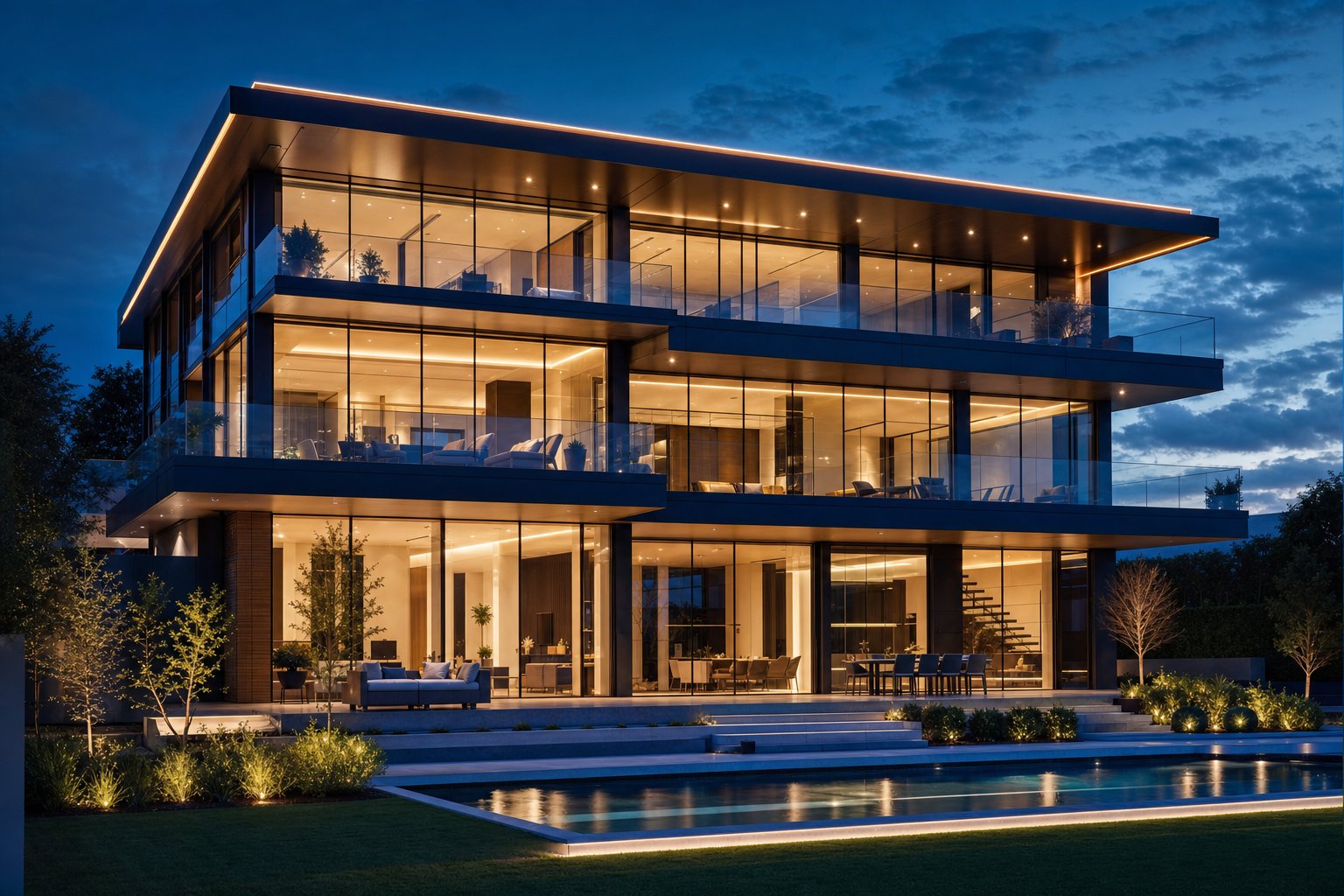
Emerging Innovations and Making Your Final Decision
The aluminium window industry is not standing still. While the fundamentals of alloy selection and thermal break design remain sound, the next generation of profiles is pushing performance boundaries that would have seemed unrealistic even five years ago. For specifiers making decisions today, understanding where the technology is heading helps future-proof your investment — and ensures you are not locking in yesterday's performance when something meaningfully better is already entering the market.
Innovations in Profile Design and Thermal Performance
The most visible shift is toward ultra-slim sightlines that maintain or exceed the structural ratings of bulkier predecessors. Advanced alloy engineering — including optimised 6063 variants with tighter compositional tolerances and refined grain structures — allows manufacturers to reduce profile face widths below 30 mm while still meeting AS 2047 requirements for high wind regions. These thin frame windows maximise glass area to a degree that blurs the boundary between framed and frameless glazing, delivering the expansive views and natural light that drive contemporary Australian residential design.
Thermal break materials are evolving in parallel. Composite thermal breaks incorporating physically foamed polyamide reduce thermal conductivity to approximately 0.20 W/m·K — a substantial improvement over standard glass-fibre-filled strips. Multi-chamber geometries within the break itself trap still air in progressively smaller pockets, mimicking the insulating principle of double glazing at the frame level. The result: frame U-values approaching 0.8 W/m²·K from profiles slim enough for residential aluminium windows that once would have required much wider sections to achieve similar numbers.
Smart glass integration represents another frontier. Electrochromic and thermochromic glazing — glass that adjusts its tint in response to electrical signals or temperature changes — is moving from commercial aluminum windows into high-end residential applications. These systems reduce reliance on external shading while maintaining views, and they pair naturally with aluminium alloy frames because the slim profiles and clean geometry complement the minimalist aesthetic that smart glass demands. Triple glazing adoption is also accelerating, with industry reports estimating insulation improvements of up to 50% compared to traditional double-glazed units.
Recycled-content alloys are reshaping the sustainability equation. Low-carbon aluminium — produced using renewable energy and blended with high-percentage recycled feedstock — now delivers mechanical properties indistinguishable from virgin alloy while carrying a fraction of the embodied carbon. As whole-of-life embodied carbon assessments become standard practice in building specifications across Australia and New Zealand, this advantage positions aluminium favourably against materials whose recycling pathways are less established or whose quality degrades with each cycle.
Specifying Aluminium Alloy Windows with Confidence
Embodied carbon is no longer a niche concern. The NCC's trajectory toward mandatory carbon reporting means that material choices made today will be evaluated against tightening benchmarks over the building's lifetime. Aluminium's near-infinite recyclability, combined with the industry's shift toward low-carbon production, gives it a structural advantage in whole-of-life carbon assessments that few competing frame materials can match. A window frame that lasts 50+ years, requires minimal maintenance inputs, and returns to the manufacturing stream at full quality when eventually removed represents a genuinely circular material flow.
Bringing together everything covered in this guide — alloy grades, thermal breaks, climate matching, lifecycle costs, maintenance, and emerging technology — the core selection principles distil into a clear framework:
Choose your alloy grade and temper for the structural demands of your specific opening and wind region. Size your thermal break for the energy performance your climate zone requires — not just code minimum. Match your surface treatment to the environmental exposure at the installation site. Then evaluate suppliers on their ability to provide technical documentation, AS 2047 compliance certificates, and project-specific engineering support — not just the lowest price per unit.
The best aluminum windows are not defined by a single specification line. They are the product of deliberate choices across alloy, thermal performance, coating, hardware, and glazing — each matched to the project's functional requirements rather than defaulted to a generic standard. Bespoke aluminium windows engineered for a specific building, climate, and use case will always outperform general aluminum windows pulled from a catalogue without adaptation.
Working with aluminium window suppliers who offer genuine technical depth — not just order-taking — makes this process substantially easier. Look for suppliers who can provide WERS ratings, NatHERS modelling data, wind load calculations, and coating warranty documentation specific to your installation environment. Ask whether they hold relevant certifications and whether their profiles are tested to current Australian Standards rather than superseded versions.
For Australian homeowners, builders, and architects ready to move from research into specification, MEICHEN's aluminium windows range offers comprehensive project support — from custom configurations and multiple glazing options through to supply capabilities for both residential and commercial projects across Australian cities. Having a supplier that bridges the gap between technical aluminium window supplies and practical project delivery simplifies what can otherwise become a fragmented procurement process.
The technology will keep advancing. Slimmer profiles, better thermal breaks, lower-carbon alloys, and smarter glazing are all on a clear upward trajectory. But the selection principles remain constant: understand your climate, specify for your structural loads, invest in the thermal break quality your energy targets demand, and choose a surface treatment that matches your exposure. Get those fundamentals right, and your aluminium alloy windows will deliver decades of performance regardless of which specific innovation arrives next.
Frequently Asked Questions About Aluminium Alloy Windows
1. What is the difference between aluminium windows and aluminium alloy windows?
Pure aluminium (1000-series) is too soft for window framing. Aluminium alloy windows use engineered 6000-series alloys combining aluminium with silicon and magnesium, then heat-treated to specific temper states like T5 or T6. This gives frames the tensile strength to support large glass panes, resist wind loads, and maintain structural integrity for 40-60+ years. When a product is marketed simply as 'aluminium windows' without specifying the alloy grade, it is worth asking the supplier which grade is used, as this directly affects durability, corrosion resistance, and surface finish quality.
2. Which aluminium alloy grade is best for residential windows in Australia?
6063-T5 dominates Australian residential window production. Its lower magnesium and silicon content provides outstanding extrudability, allowing manufacturers to create slim multi-chamber profiles with smooth surfaces ideal for powder coating or anodising. It delivers adequate strength for standard residential wind loads (Wind Region A and B) while keeping costs reasonable. For high-wind zones in northern Queensland or coastal Western Australia (Wind Regions C and D), 6061-T6 may be specified for its higher yield strength, though it comes at a premium. Suppliers like MEICHEN (meichenwindows.com.au/aluminium-windows/) can advise on the appropriate grade for your specific location and project requirements.
3. How long do aluminium alloy windows last compared to uPVC?
Aluminium alloy windows typically last 40-60+ years with minimal maintenance — periodic cleaning and occasional hardware lubrication. uPVC frames have a functional lifespan of 25-35 years before seals fail and frames warp, requiring full replacement. Over a 60-year period, uPVC effectively costs more because you need at least one complete replacement cycle. Aluminium also retains significant scrap value at end of life due to its infinite recyclability, whereas uPVC degrades with each recycling pass. The cost-per-year calculation often favours aluminium despite its higher upfront price.
4. Do aluminium alloy windows cause condensation problems?
This concern applied to older non-thermally-broken aluminium frames from the 1980s and 1990s, which acted as thermal bridges between interior and exterior temperatures. Modern aluminium alloy windows incorporate polyamide thermal breaks — insulating strips with thermal conductivity of just 0.3 W/m·K — that interrupt heat transfer across the frame. Premium systems with 24-34 mm multi-chamber breaks achieve frame U-values of 0.8-1.2 W/m²·K, eliminating the cold-bridge effect and competing directly with uPVC and timber on condensation resistance. The key is ensuring your windows include quality thermal breaks rather than budget non-broken profiles.
5. Are aluminium alloy windows suitable for coastal areas in Australia?
Yes, but specification matters significantly. Properties within 1 km of breaking surf face aggressive salt exposure (ISO corrosivity C4 to CX) that can degrade standard coatings within a few years. For coastal installations, specify marine-grade anodising at 25+ microns thickness or Qualicoat Seaside-rated powder coatings, stainless steel hardware, and drainage channels designed to flush salt deposits. Some manufacturers use 6082 alloy variants with fewer impurities for extreme marine exposure. Monthly frame cleaning in coastal zones also extends coating life considerably. With proper specification, aluminium alloy windows perform exceptionally well in Australian coastal environments.